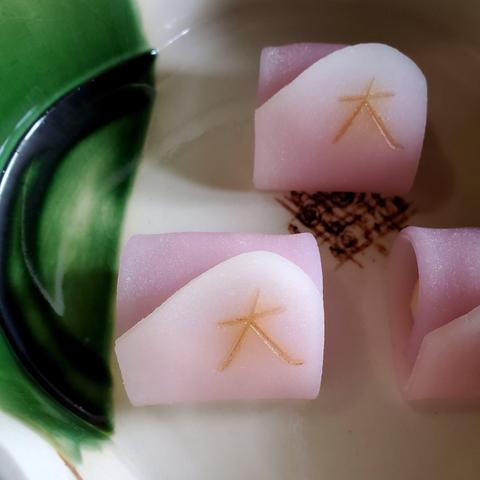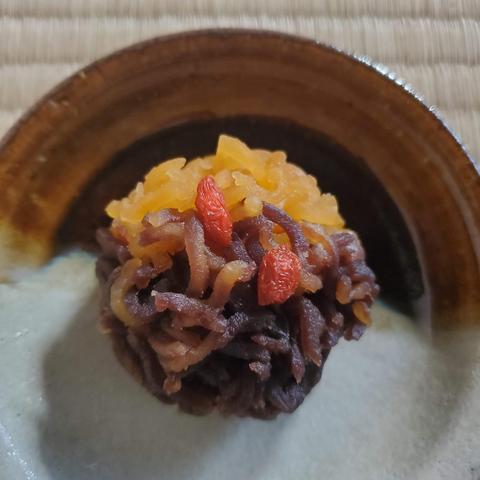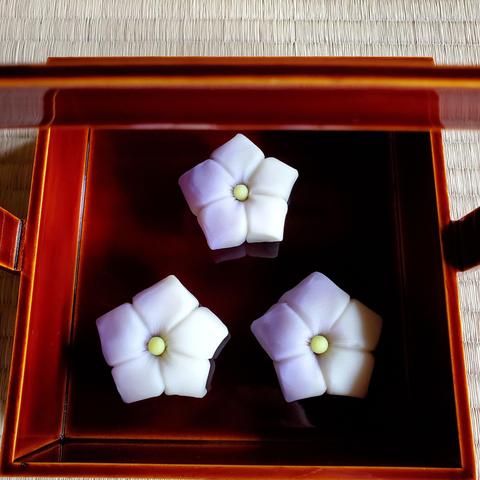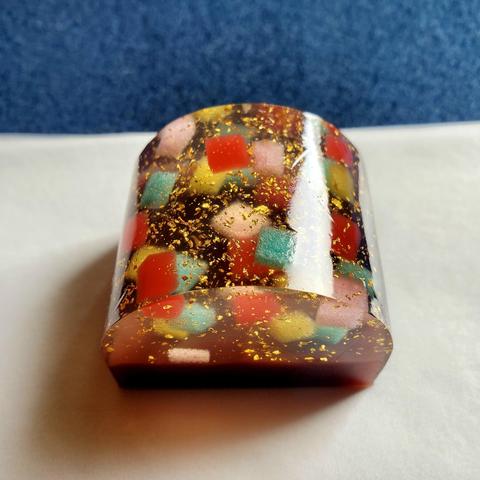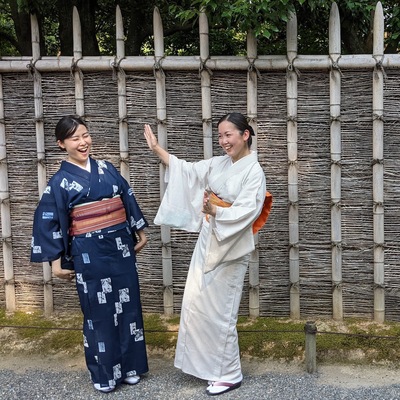
👋FAREWELL TO THE DEAD🔥

Obon (お盆) draws to a close in the next few days, and tomorrow evening families will be saying goodbye to their ancestral spirits for another year.

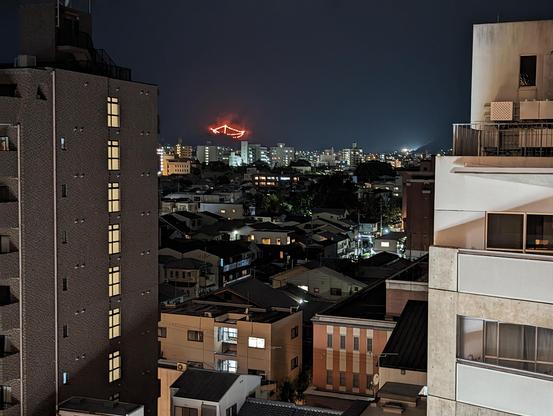
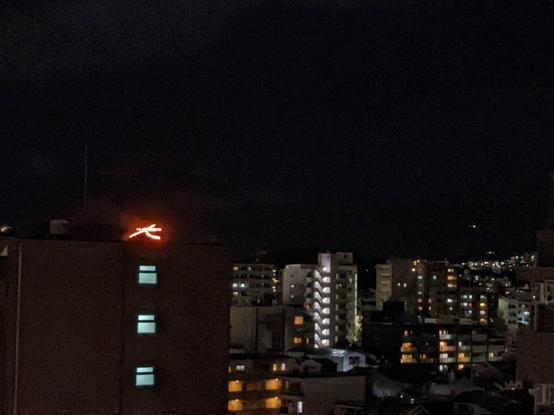
From 8pm fiery shapes will appear on five of Kyōto's mountains...beacons guiding the dead back to the Netherworld.

#五山送り火 #Japan #Kyoto #京都 #wagashi #お盆 #Obon #GozannoOkuribi #Daimonji #大文字
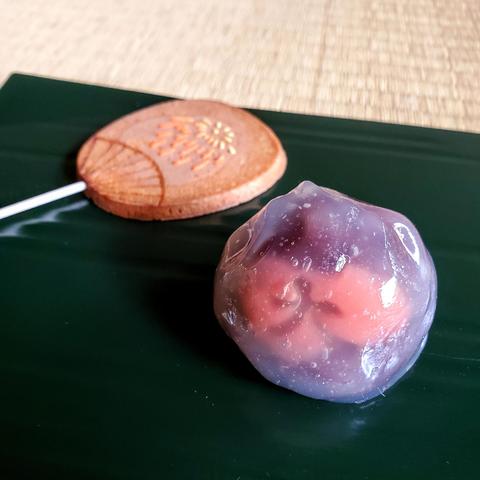
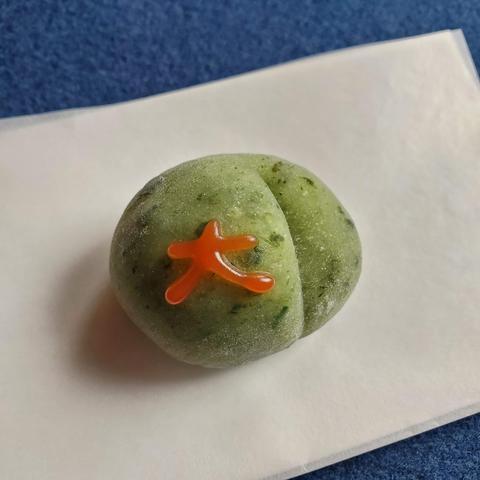
🔥'大'🔥

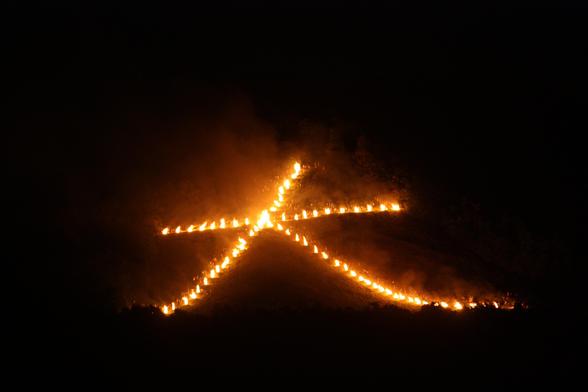
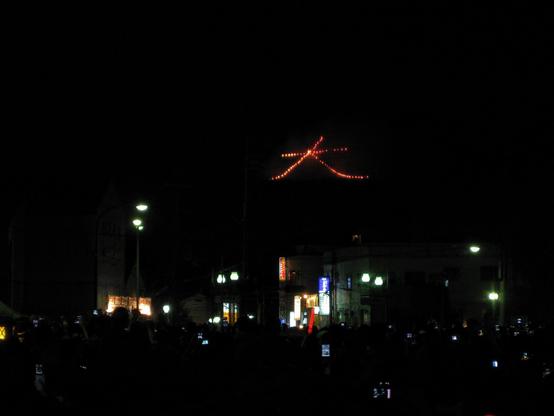
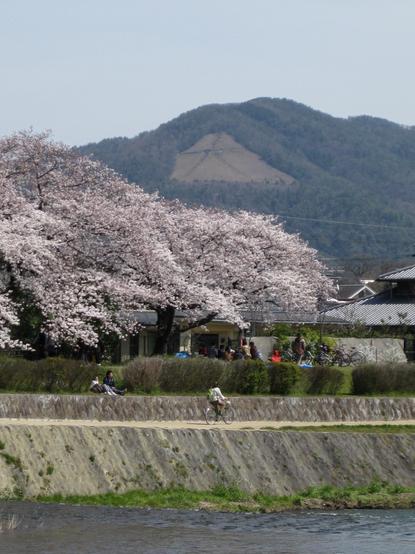
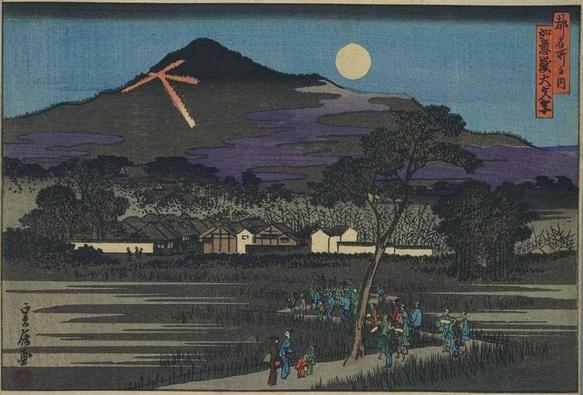
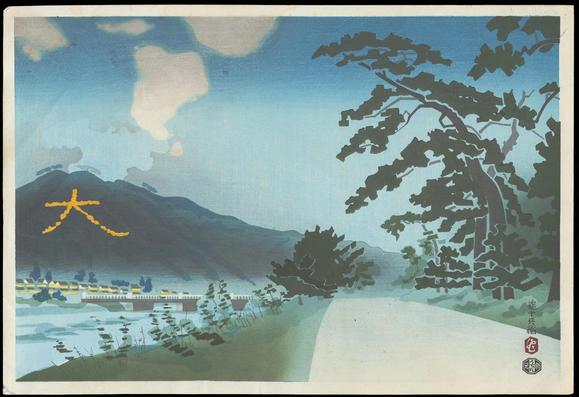
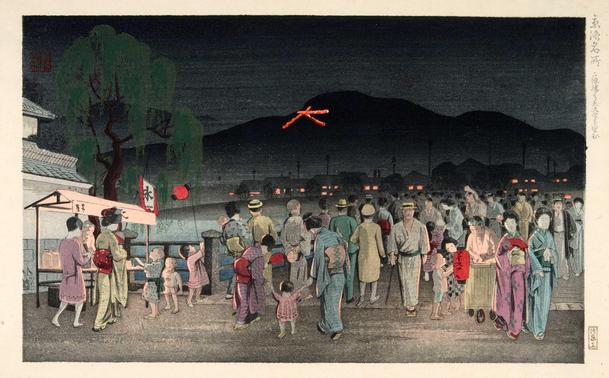
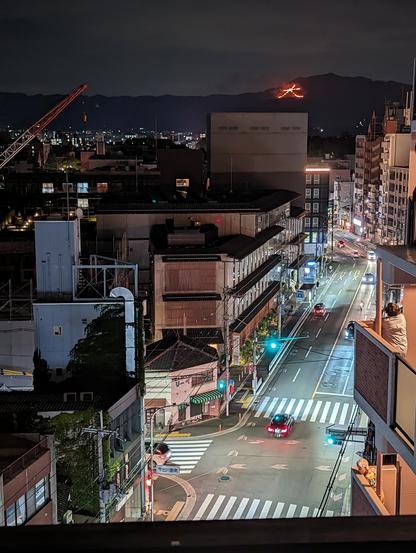
Daimonji (大文字) is first of the Gozan-no-Okuribi (五山送り火) to be lit, at 8pm on August 16th. It is by far the most famous -& oldest- of the current 5 Okuribi.
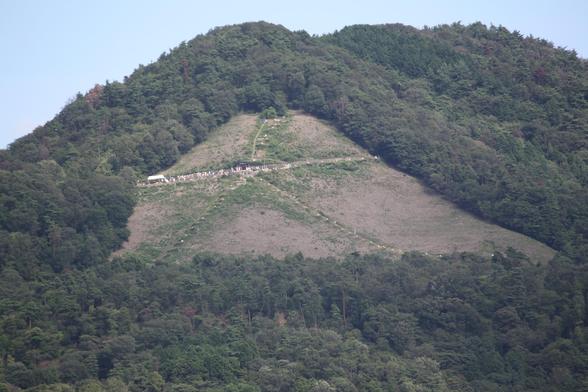
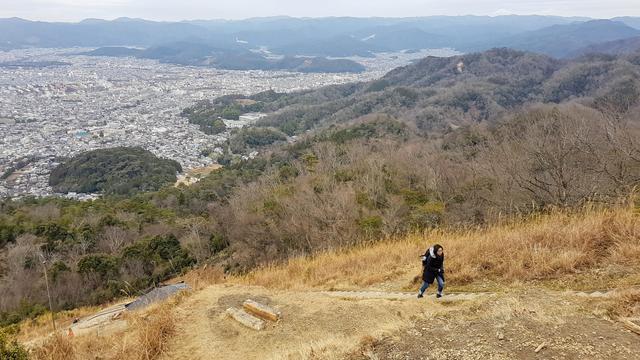
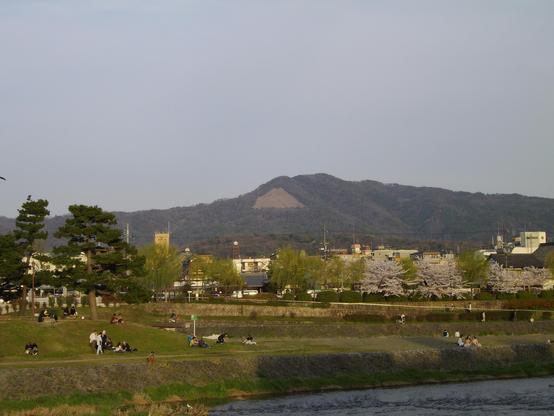
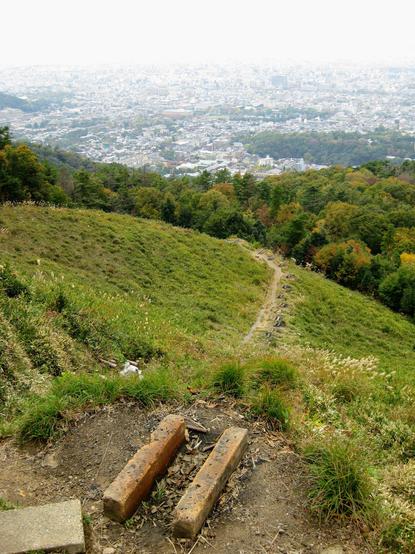
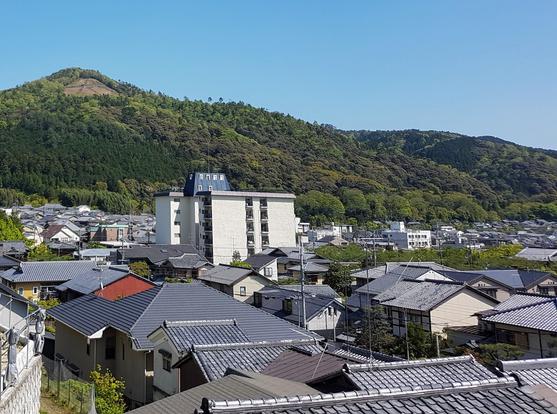
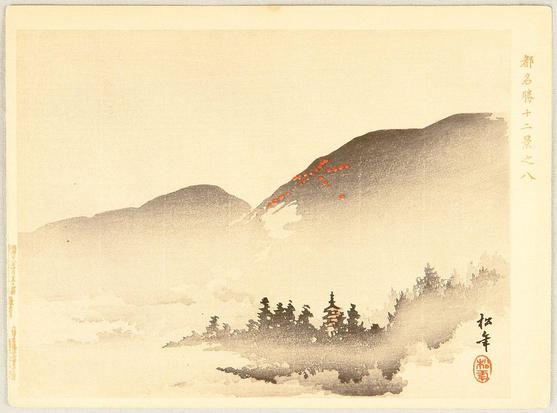
Daimonji sits on the upper slopes of Mt. Nyoigadake (如意ヶ嶽/大文字山).

Daimonji's horizontal stroke is 80m long, the left sweep 160m and the right 120m.
The character '大' means large or great, though it is unclear what it symbolises

A little before 8pm the first fire (of 75 in total) is lit at the Kanao (金尾), Daimonji's heart.

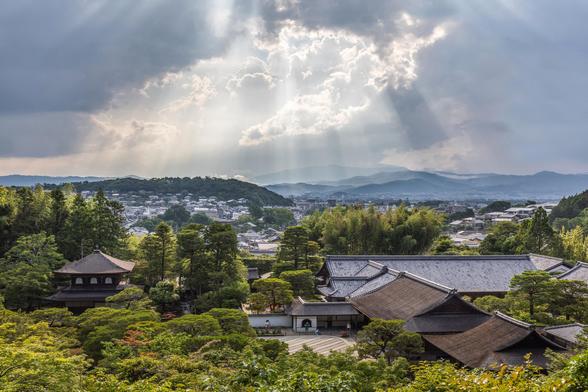
Daimonji is also known as 'Josei-gata' (女性型), which means 'feminine style'. Compared with the heavier strokes of Hidari Daimonji (左大文字 lit. Left Daimonji) to the north west of the city, Daimonji's slender strokes are considered more womanly and beautiful.

From noon on August 15th until the next day people gather at a station close to Ginkaku-ji to write down their prayers on wooden prayer tablets (護摩木). These are then bundled together and carried up the mountain to be used within the bonfires.

No-one is quite sure when or why Daimonji was created. It is possible that Kūkai inspired a later, permanent fixture, by ending a plague 808 with bonfires arranged in the shape '大'. He built these on the charred ruins of Jōdō-ji, where Amida had been seen rising from the flames.

It's unclear what the character '大' represents.
Many have suggested it signifies the Shingon doctrine of 'Sokushin Jōbutsu' (即身成仏). Alternatively it might symbolize the 5 elements, or a human figure.

On August 16th the spirits of the dead, having arrived in the city on the 7th for a brief holiday in our world, return to the Netherworld for another year.

Kyōto says goodbye in spectacular fashion, lighting great bonfires to guide the dead home.

The 5 'Gozan-no-Okuribi':
🔥Daimonji (大 = 'Great' from 8pm)
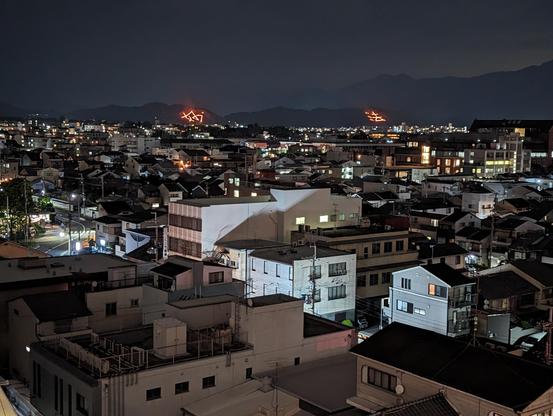
🔥Myo-Ho (妙法 = 'Wondrous Dharma' from 8:10)
🔥Funagata (舟形 = the shape of a boat, from 8:15)
🔥Hidari Daimonji (大 = 'Great' from 8:15)
🔥Toriigata (鳥居形 = the shape of a shrine gate, from 8:20).

Counted as 1 of Kyōto's 4 great celebrations, the Gozan-no-Okuribi was originally called Shūkyō Gyōji or Oshorai-san (宗教行事 'the ritual'/おしょらい/おしょらいさん).
Many people incorrectly call the event Daimonji, the first and most famous of the Okuribi.

On 16th August it is said that Kyōto's spirits gather at Daimonji (大文字)before traveling to read the sutra at 'Myō-Hō' (妙法).
They then ride the Funagata (舟形 boat), guided by Hidari Daimonji (左大文字), back to the Netherworld via the Toriigata (鳥居形 gate).

The most famous of the Okuribi, and the first to be lit, is Daimonji (大) on Nyoigadake, Higashiyama.
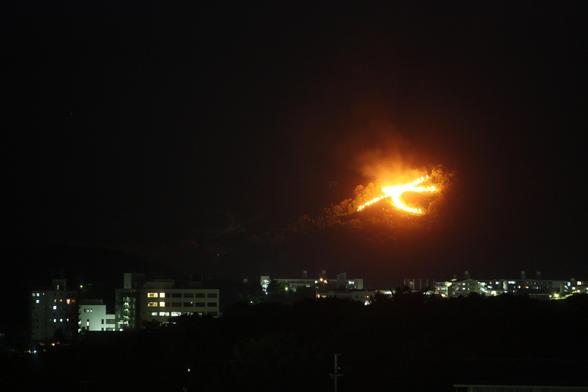
The other 4 Okuribi are lit at 5-10 minute intervals, and by 8:30 all the characters can be seen.
Each bonfire burns for around 30 minutes.

Unlike the Gion & Aoi festivals, the Okuribi's origins are hazy.
In 1603 the nobleman Funabashi Hidekata (舟橋秀賢), in his diary 'Keichō Nikken-roku' (慶長日件録), describes going to the Kamo River to see the mountain bonfires. It is the earliest record.