I've quietly made my LayerProcGen framework public:
https://github.com/runevision/LayerProcGen

It's a framework (C#) that can be used to implement layer-based procedural generation that's infinite, deterministic and contextual.

Nobody else have tried/tested it yet - if you're up for taking it for a spin, let me know how it looks; what's clear or confusing, if you think there's low hanging fruit improvements I could make, etc.
#ProcGen

GitHub - runevision/LayerProcGen: Layer-based infinite procedural generation

Layer-based infinite procedural generation. Contribute to runevision/LayerProcGen development by creating an account on GitHub.

GitHub

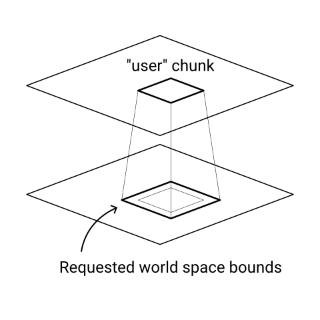
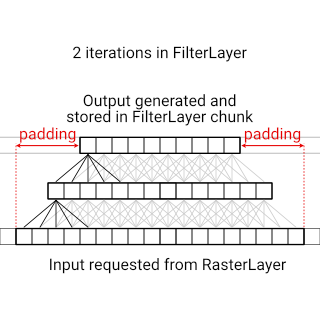
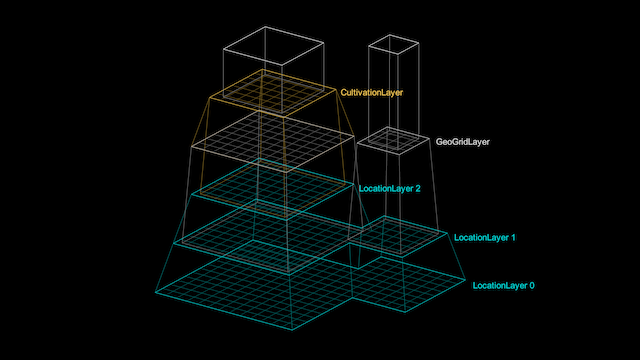
The value of layer-based generation is not just the implementation, but also a certain way to *think* about how to define spatial dependencies for large-scale generation.

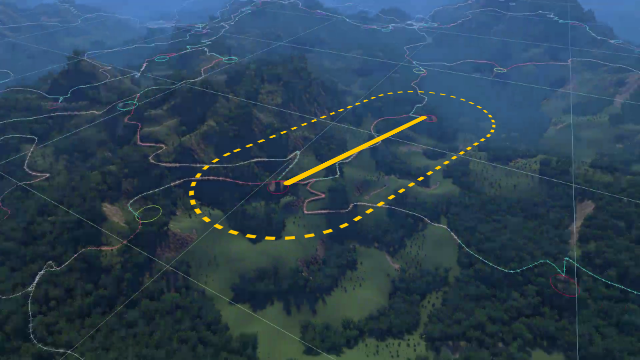
I've put a lot of effort into the documentation and its illustrations (examples here), which explain the high level concepts of the framework as well as the details.
https://runevision.github.io/LayerProcGen/

LayerProcGen: LayerProcGen

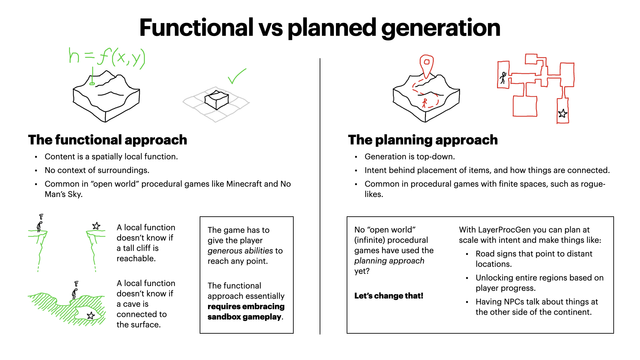
Procedurally generated open-world games tend to use "the functional approach" which essentially requires embracing sandbox gameplay.

LayerProcGen points the way towards making open-world procedural games based on "the planning approach" instead, which is normally only seen in "finite space" games such as rogue-likes.
#ProcGen

@runevision Finally ended up going through this proper, and realised I’ve taken basically the exact same approach! I just think of it as “cone-based” instead of “layer-based”, so I didn’t recognise it at first. :D Very happy to see someone write about this, and with such care!
@jonikorpi Ah, cone-based as in the shape of the dependencies? Or maybe the shape of loaded data from consecutive layers? I’d love to hear more about your approach, possible differences, insights you’ve gained using it, what you’re using it for exactly etc. :) If you have time to tell about it sometime.

@runevision It was for world generation. Each layer “zoomed out”, forming a kind of pyramid or cone if you rendered and spaced them out a little: just like many of your illustrations!

Managed to revive a bad old prototype. The “levels” on the right are the layers. Each hex depends on a group of closest hexes from the next layer. https://old-gamedev-experiments.pages.dev/worldgenerator/

World Generator