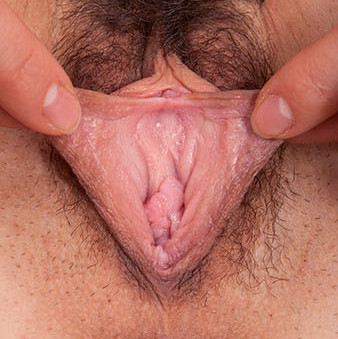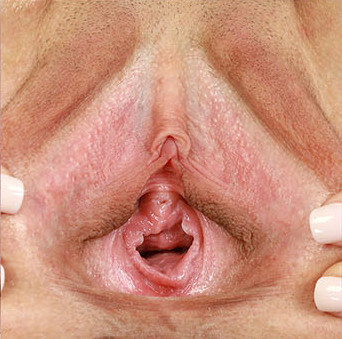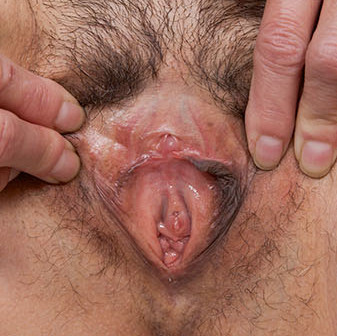
It's time to open up. Let's have a look between the labia at the vulval vestibule...

As with all of our #VulvaDiversity threads, this thread contains real photos of human vulvas. They'll be posted unlisted with a content wrapper, but if you have CWs switched off, you might want to put them back on. We will also block anyone who makes creepy sexualised remarks, or vulva-shaming comments.

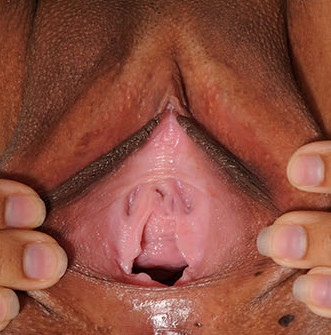
The vulval vestibule is the part beneath the clitoral glans and hood, between the labia minora, and above the fourchette. It's where the urethra and the vagina open out. You usually can't see it as the labia minora protect its delicate skin. To look at it, you need to spread the labia.
The skin of the vulval vestibule is called transitional skin. It's more delicate than the surrounding skin of the vulva. It always appears pinkish, regardless of your skin tone.

There are two main holes which open out into the vestibule. The urethra is the hole you pee out of. It's quite small. The vaginal opening is larger and positioned beneath the urethra.

Depending on your anatomy and how you spread your labia, you may not be able to see both holes.

As well as the main openings, there's also some smaller openings: the greater vestibular glands and the lesser vestibular glands. The lesser vestibular glands are on either side of the urethra, visible in the first pic. They're responsible for female ejaculation. The greater vestibular glands can be seen on the second pic on either side of the vaginal opening: these lubricate the vulva when aroused.

Around the entrance to the vagina is what is probably the most misunderstood part of the already-misunderstood vulva: the hymen. The hymen is a piece of tissue which surrounds the vaginal opening. At puberty, oestrogen stimulates the hymen to become elastic and fringed.

The hymen can be torn or stretched due to many activities, including exercise, sex, pelvic exams, using internal menstrual products, injuries or giving birth. This means in physically active adults, it looks very varied.

It's a myth that you can tell if someone's sexually active or not based on their hymen - there's lots of things which can affect the appearance of the hymen, so drop the patriarchal myths!
There's lots of different textures a hymen can have. The skin can be thick or thin, and it could be smooth or wiggly in shape and texture. All are normal variations!
In prepubescent children, the hymen is thick and rigid, covering much of the vaginal opening. As an adult, you might see hymen tissue going all around the entrance, or parts of it at the sides, the bottom or top. Sometimes, in adulthood, the hymen may be minimal.
In looking at these vulvas, you might have noticed some vaginas look more open or not. This is normal again! The appearance of openness depends on lots of things, such as the shape and size of the hymen, whether you've had a vaginal birth, and simply how you're spreading!
@vagina_museum I don't know where to find good photos, but some other variations it's helpful for folks to be aware of are imperforate, cribiform, and septate hymens. Imperforate hymens cause issues when menstruation starts while the other variations can cause difficulty with any form of insertion or penetration that a person may want or need to engage in. People with the latter two variations often experience difficulties when first trying to use tampons, and it can be really confusing since it's so rarely talked about!