 Ars Technica
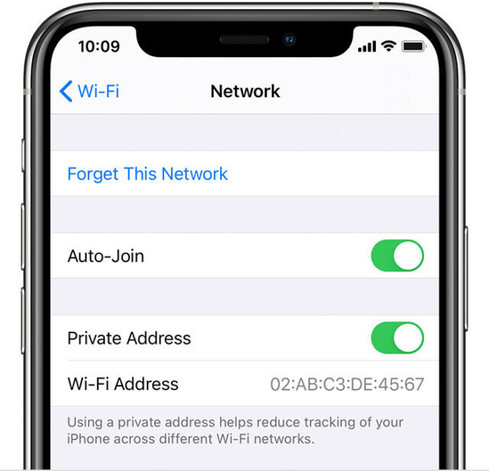
iPhone privacy feature hiding Wi-Fi MACs has failed to work for 3 years
“From the get-go, this feature was useless,” researcher says of feature put into iOS 14.
iPhone privacy feature hiding Wi-Fi MACs has failed to work for 3 years
“From the get-go, this feature was useless,” researcher says of feature put into iOS 14.
@arstechnica I remember being confused the first time I looked at my router's logs after migrating from an iPhone to @GrapheneOS. I was concerned with all of the devices that had recently been connected until I realized it was randomizing my MAC address.
I then went into the config and changed it to use a dedicated MAC for that wifi network.
@adamhotep @arstechnica GrapheneOS uses a per-connection random MAC address by default instead of a per-network random address like Android and iOS. When doing that, it also uses clean DHCP state for each connection.
Can set it to use a per-network address for your own network if you prefer but routers should be able to handle having tons of devices connecting and obtaining new IP addresses. Per-network is supported mainly for people who need to work around misguided MAC-based access control.

 Adam Katz
 GrapheneOS