 Mastodon Migration
So in addition to cluttering up low earth orbit, wrecking terrestrial astronomy, creating the potential for a Kessler Syndrome cascade which could close access to space, and creating a national security nightmare, Starlink internet access is a climate catastrophe using up to 30 times more carbon footprint per internet subscriber than land based internet.

 ̶s̶e̶t̶h̶ ̶ ̶
Are you going to be the one to tell people who live in the Solomons or Ethiopia or rural Oklahoma that they can't have internet because the "carbon footprint" is too big?
Starlink and services like it exist because for a lot of people there aren't other options. And when there are, they can be heavily censored.
So yeah, we should make our satellites less reflective, clean up light pollution, and cut CO₂.
But let's keep the internet on for everyone while we do that, ok?
 mmby
mmby@seth @mastodonmigration starlink is not available yet in the solomon islands or ethiopia
next year, according to the map but who knows
the Solomon islands have built their own cable though in the meantime
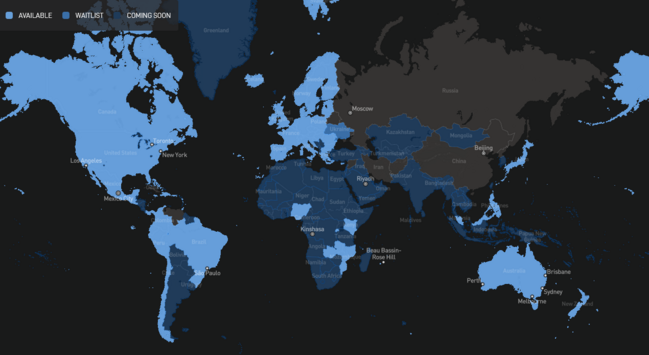
@mmby @mastodonmigration Internet access in the Solomon islands is tough. Even with that cable they have, coverage out there is very poor. Good (and cheap) satellite internet would be an equalizer for a lot of the world.