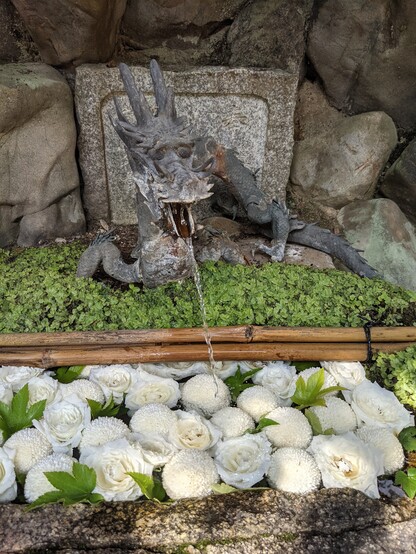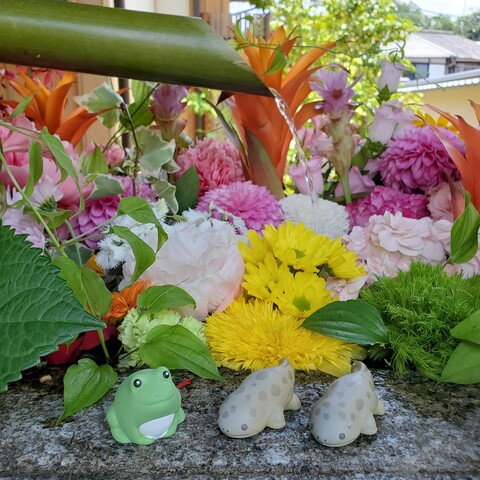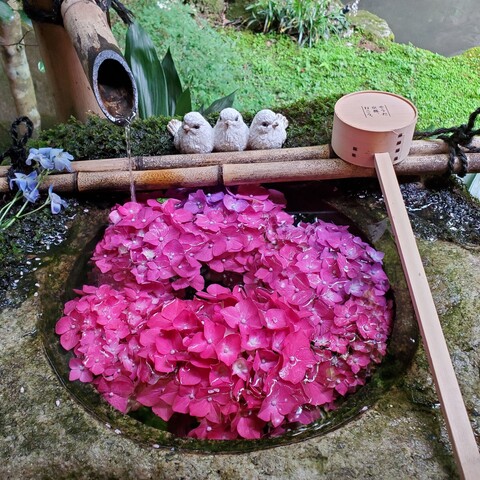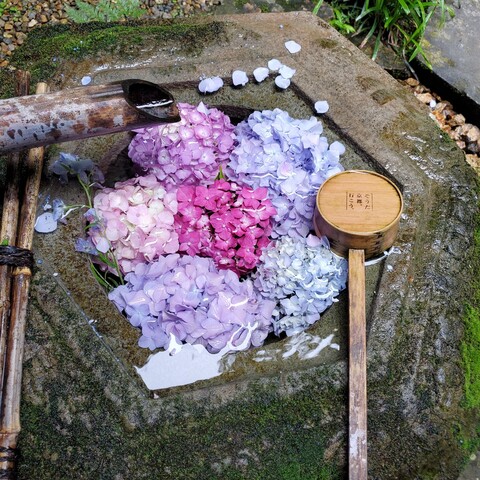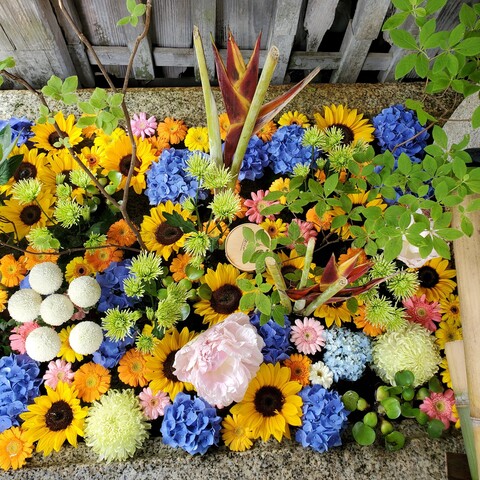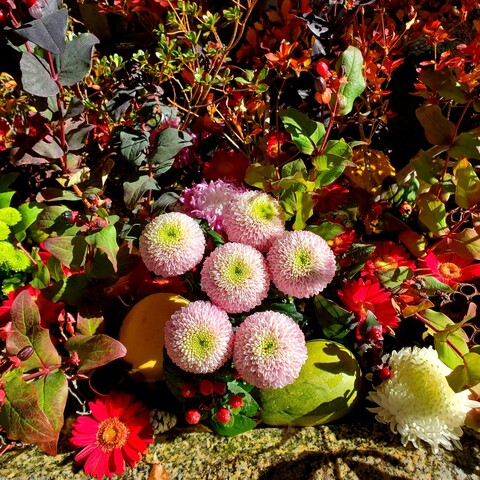
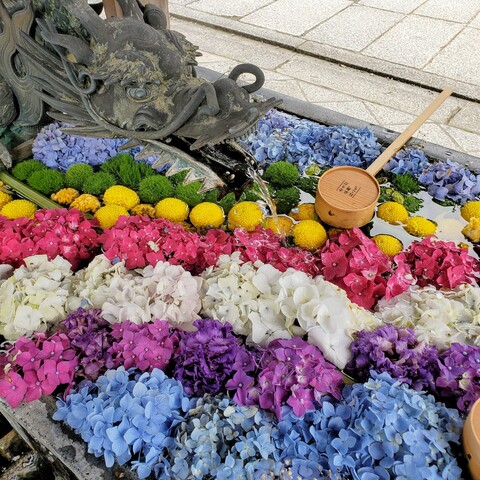
🌻FLOWER BASINS🌼

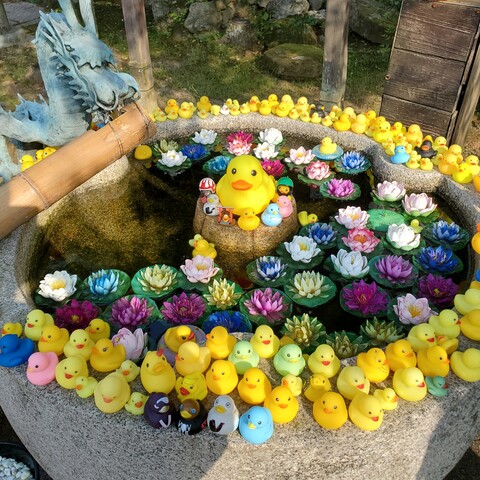
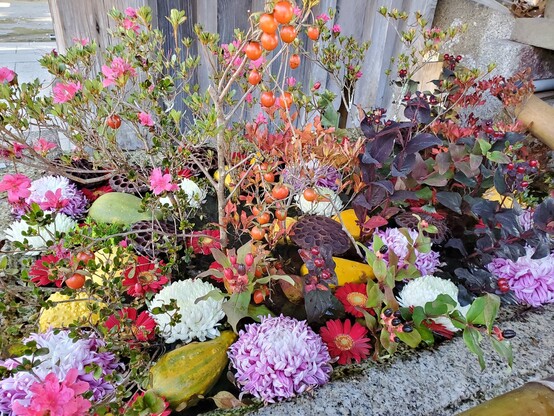
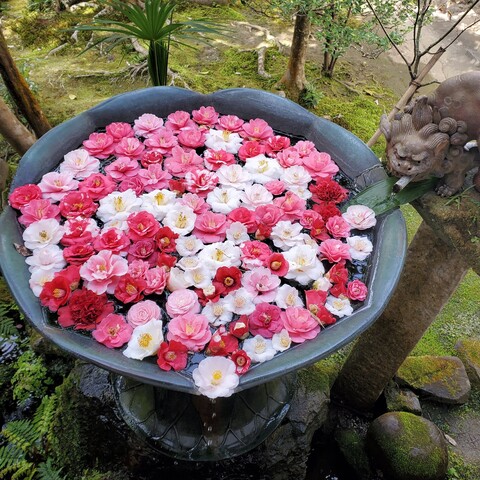
As the pandemic deepened, many temples and shrines worried about the safety of worshippers using the same ladles and water basins to purify their hands and mouths.
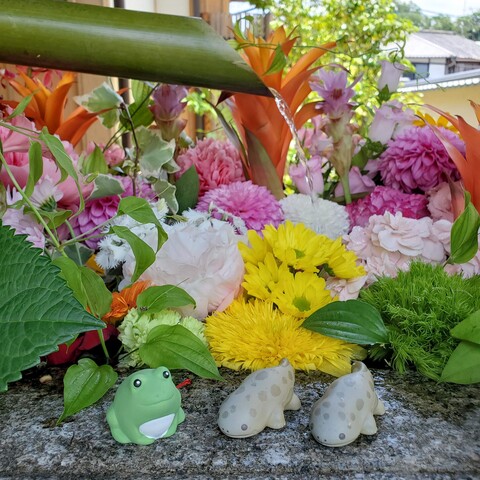
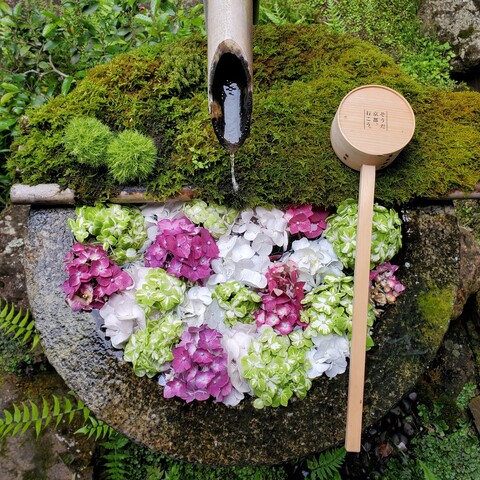
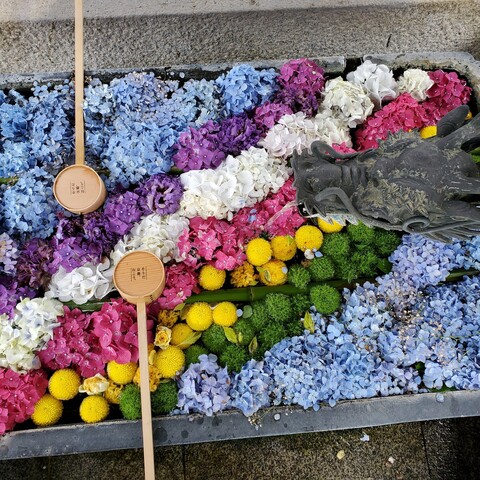
Their solution was simple...turn the basins into flower displays🙌

In Japan 'purification', whether religious🙏, practical🧼, or symbolic🍵, is woven into many aspects of daily life.

the nightingale
splashes too...
purification font
鶯も水を浴せてみそぎ哉
-Kobayashi Issa (小林一茶).
Trans. David G. Lanoue.
#Japan #Kyoto #京都 #花手水

The importance of purification is best illustrated at temples, teahouses and shrines. Here you will see small water basins for the purpose of hand (and mouth) washing💦👏

As a rule of thumb they are known as tsukubai (蹲踞) in teahouse gardens and chōzubachi (手水鉢) in gardens.

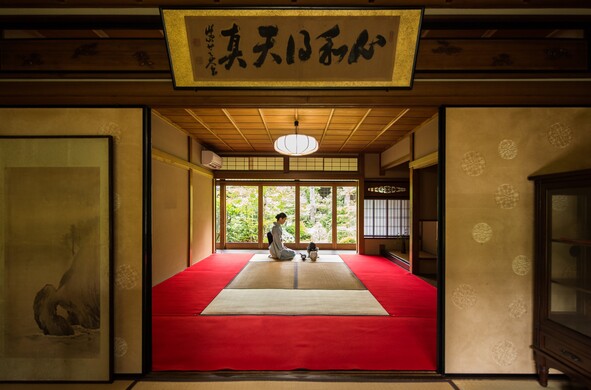
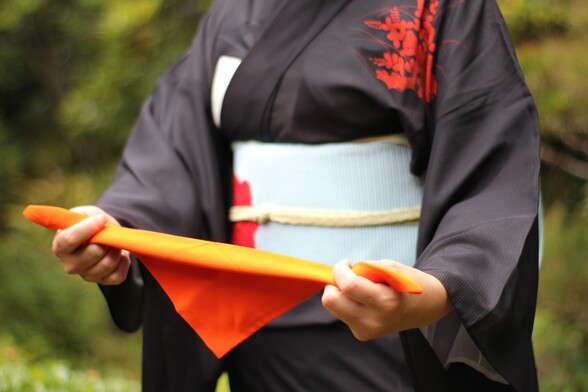
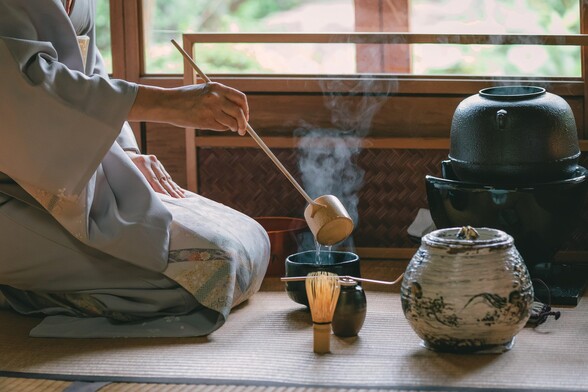
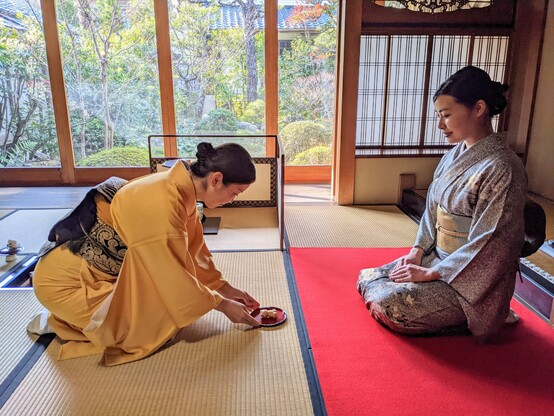
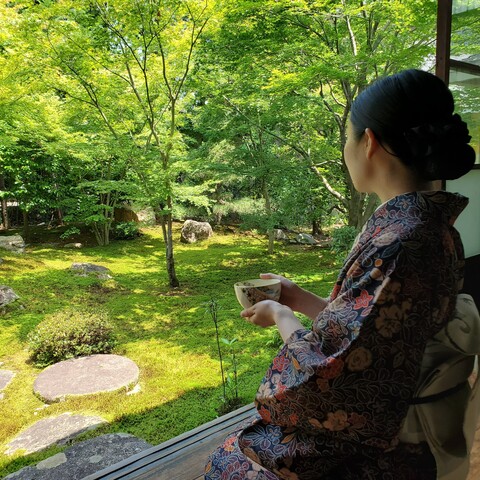
In the tearoom the idea of purification has been made into an art form, a ritualistic set of movements performed by the host to show the guests that every utensil has been carefully cleansed before the tea is made and served.

In temples and shrines wash areas, some roofed to protect them from the elements, are known as Chōzuya or Temizuya (手水舎).

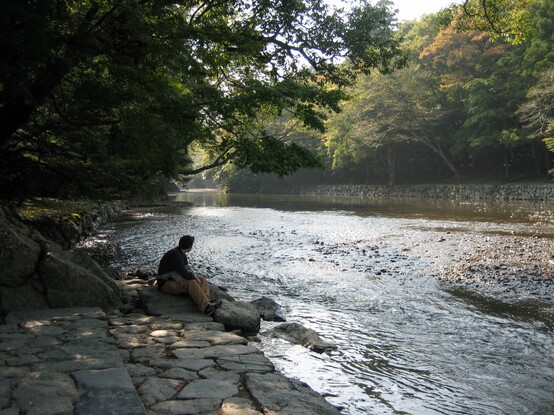
The custom of purification emerged with the first shrines. Worshippers would purify their bodies and mouths in streams or rivers before praying.

#Japan #purification #手水舎 #temizuya #chozuya #Kyoto #京都

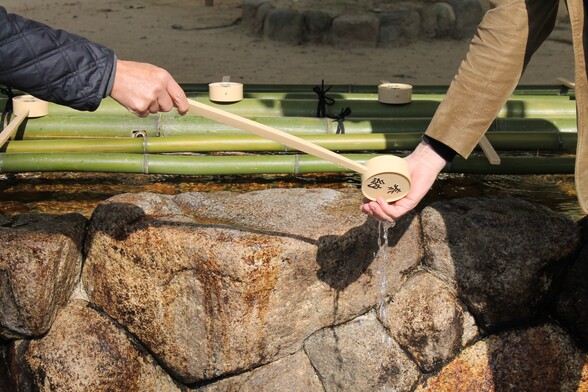
Etiquette at the Chōzuya:

*Using your right hand fill the ladle with water.

*Wash your left hand.

*Switch to your left hand, fill the ladle.

*Wash your right hand.

*With your right hand fill the ladle.

*Use the water to rinse your mouth with your left hand.

*Wash the handle.

#Kyoto #京都 Japan #chozuya #temizuya #手水舎

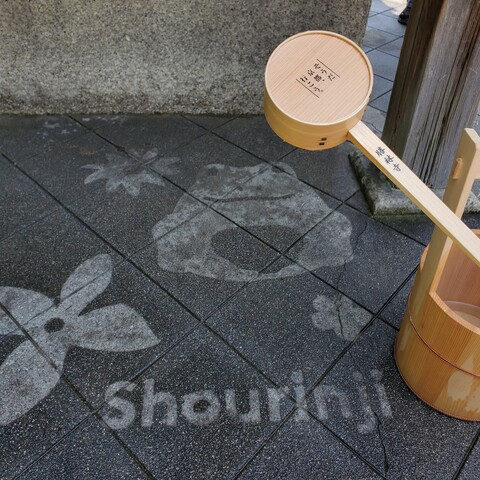
Shōrin-ji (勝林寺) is one of Tōfuku-ji's many sub-temples, and has the important role of protecting the vast temple complex from the unlucky north east 'kimon' (鬼門) direction.
It also has one of Kyōto's most gorgeous flower basins.

The temple was founded in 1550 by Kōgaku Reishō (高岳令松), the 205th abbot of Tōfuku-ji.
Dokushū Reitai (独秀令岱) later enshrined an old statue of Bishamonten as principal image.

#Kyoto #京都 #Shorinji #勝林寺 #Tofukuji #東福寺 #Japan

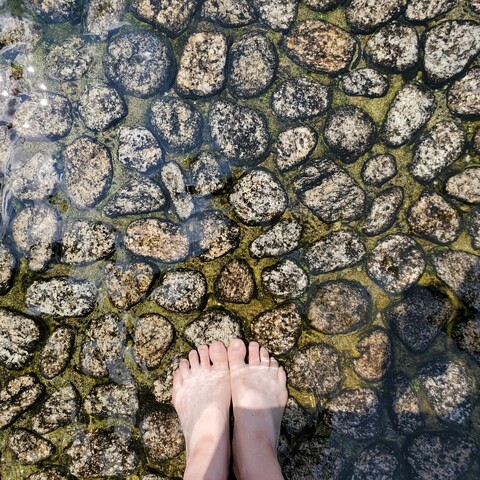
In 811 Kūkai (空海) left his post at Otokuni-dera (乙訓寺) to visit the nearby temple of Yōkoku-ji (楊谷寺). Whilst on retreat he noticed monkeys returning each day to a spring. Rather than drink, they washed the eyes of a blind infant🙈💦🤔

On the 17th day observing the monkeys Kūkai was shocked to see the infant's eyesight restored!
He took his tokko (a single-pronged vajra used in esoteric rituals) & touched it against the spring's rock. It cracked and the trickle of water grew to fill a generous pool.

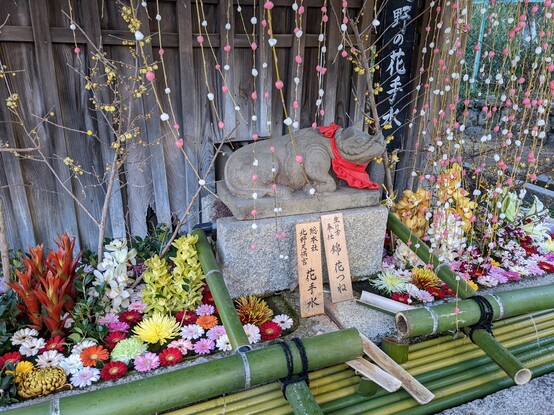
One of Kitano Tenman-gū's (北野天満宮) famed 'stroking cows' (撫牛 'nade-ushi') watches over a hana-chōzu' (花手水).

Even the smallest Tenman-gū shrine will usually have an ox statue somewhere in its grounds. Most are depicted lying down, in connection with Sugawara-no-Michizane's death (he is deified at the shrine).

The statues are known as 'stroking cows' (撫牛 'nade-ushi'), as people rub them for good luck, intelligence and health.

#KitanoTenmangu #北野天満宮 #Japan #Kyoto #京都 #ox #strokingcows