It's called #republishing.

Read other news, select good stories, copy + paste the texts and images, slightly rearrange the sentences, combine the stories into a new publication, and: Et voilà, offer your stuff as a new news item.

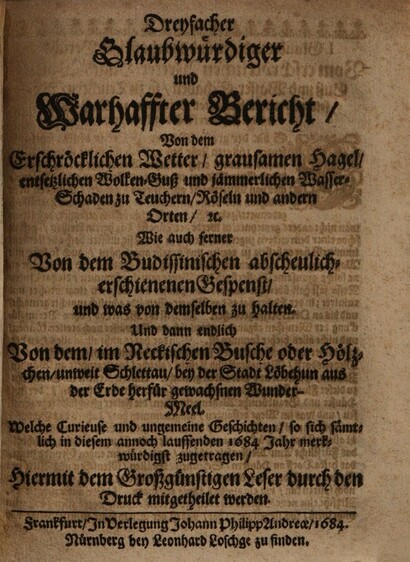
In 1684, someone combined three topics that were published elsewhere, and then republished them in a new pamphlet. #NewsHistory

Meet the pamphlet's story about severe weather, a ghost story, a wonder flour in this thread, #histodons and #bookhistory nerds:

1/5
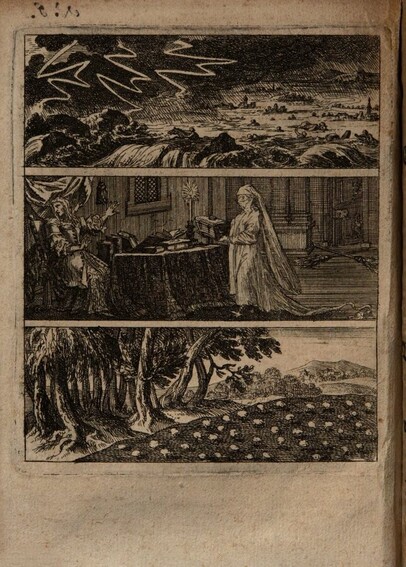
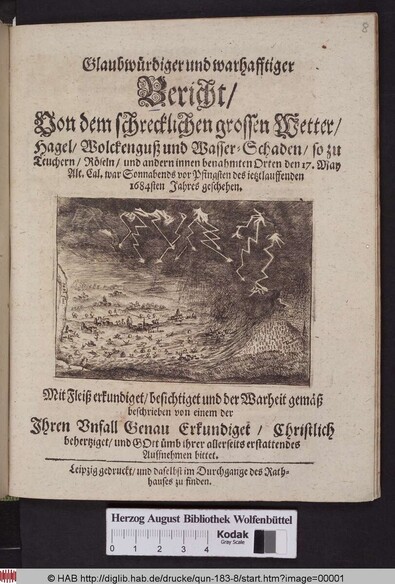
The selection and combination of three extraordinary topics was an easy task for an experienced publisher of early modern Europe. To start with, you needed to buy and read other pamphlets or news prints of the time. This was a standard routine. One only needed to pick interesting parts from the news flows - like severe weather conditions, with thunder, heavy raining and lightning. In 1684, German news media were full of weather topics (like nowadays, to be honest). Like this pamphlet:

2/5

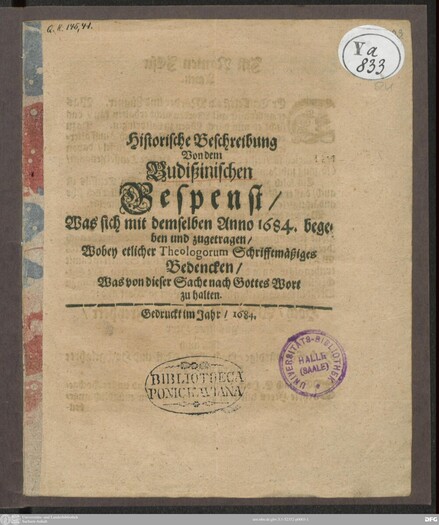
Next topic in question: a ghost story. These ghost topics were a classic theme uploaded during the #Reformation times. One could find them reinvented all over in early modern publishing. In fact, in 1684, one could choose your favorite ghost story from many publications, old and new alike. However, the finally chosen story of the three-topic-pamphlet came very likely from this source: a pamphlet devoted to a ghost making his ways:

3/5

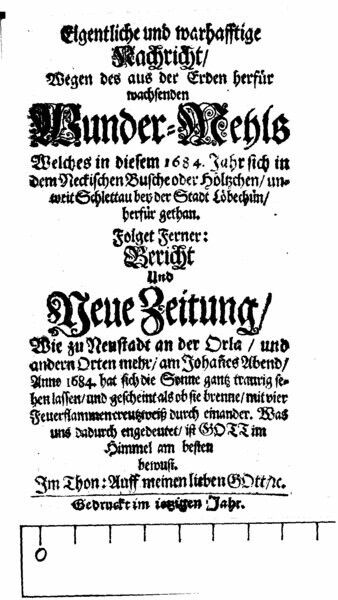
So one more topic was missing: the wonder flour. Publishers of early modern Europe knew: a miracle story was often a good selling choice. "Wunder Mehl", wonder flour, was one of these good selling topics. Miracles around flour was an established theme in German speaking Europe. One could easily find dozens of pamphlets about wonder flour and its magic. The direct source for the three-topic-pamphlet of 1684 was this other pamphlet of 1684: a 2-story-print with a wonder flour story:

4/5

Combining news parts was a media selecting practice, a well known observation work done by early modern media actors. The media effect of this practice was the creation of new echoes of news stories. And these media echoes were traveling in Europe news systems: #republishing was a thing, and media echoes are a powerful way to investigate news flows of the past.

Read more in my "The Dynamic Of Communication And Media Recycling In Early Modern Europe" chapter: https://www.degruyter.com/document/doi/10.1515/9783110643541-002/html

5/5

The Dynamic Of Communication And Media Recycling In Early Modern Europe: Popular Prints As Echoes And Feedback Loops

The Dynamic Of Communication And Media Recycling In Early Modern Europe: Popular Prints As Echoes And Feedback Loops was published in Crossing Borders, Crossing Cultures on page 9.

De Gruyter
@dbellingradt I love how most of these begin with "believable and truthful account" or some variation - the "trust me, bro" of it's time... 👍