 Inkfish the Cloudy
 Robert McNees
Engineer and inventor Frances Hugle was born #OTD in 1927.
She pioneered techniques used in microcircuitry fabrication and obtained patents for many of them, including methods for printing circuits and producing semiconducting films.
Image: IEEE
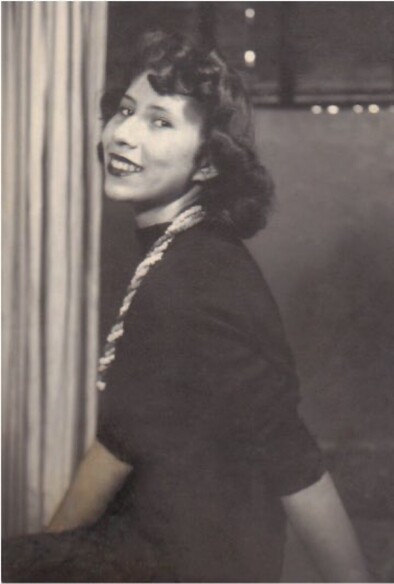
Engineer and inventor Frances Hugle was born #OTD in 1927.
She pioneered techniques used in microcircuitry fabrication and obtained patents for many of them, including methods for printing circuits and producing semiconducting films.
Image: IEEE
Hugle's best known invention is probably the process we now call Tape-automated bonding (TAB), which she developed in 1966. It is an essential technique for the high-volume production of certain kinds of circuits.
https://www.eesemi.com/tab.htm
Hugle was awarded something like seventeen patents related to semiconductors and the production of integrated circuits.
Some of the techniques she pioneered are still in use today.
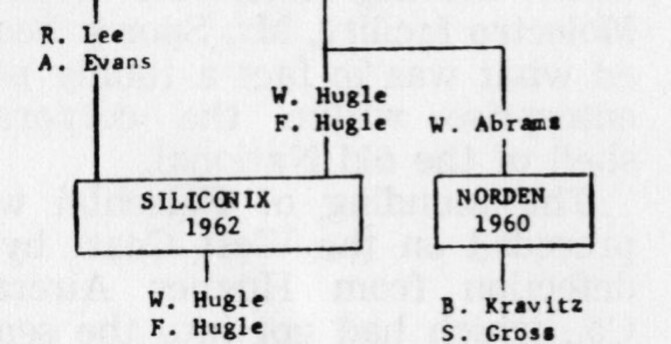
Frances co-founded a number of companies, including the early Silicon Valley firm Siliconix.
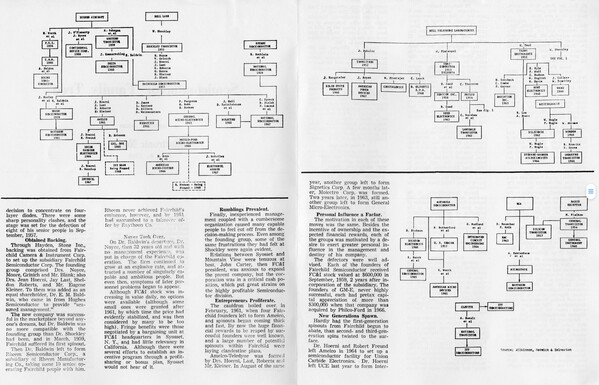
According to Wikipedia, she is the only woman included in Don Hoefler's 1968 "Semiconductor Family Tree."
Frances Hugle, née Sarnat, was born in Chicago and attended school in Hyde Park.
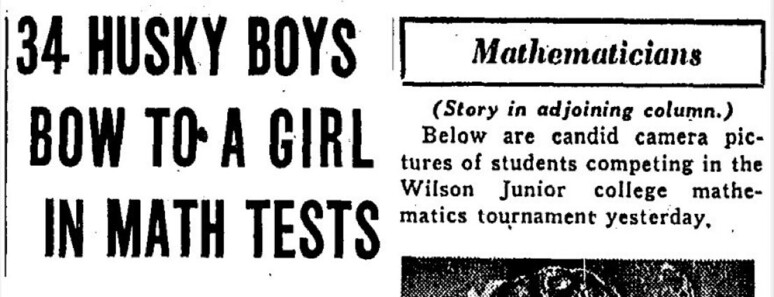
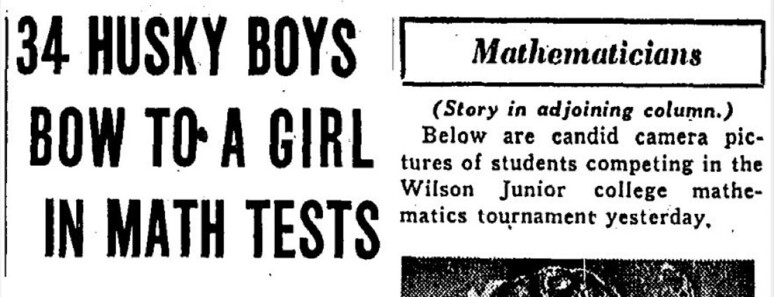
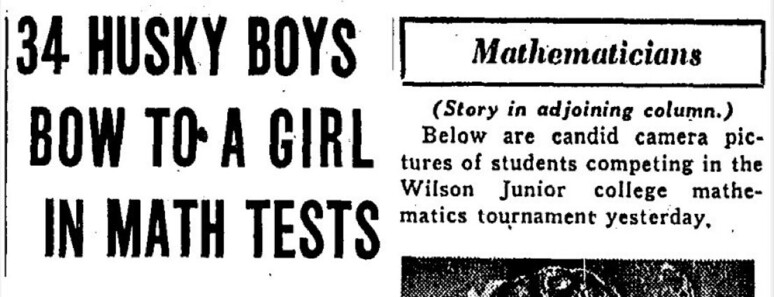
When she was seventeen she won a prominent math contest run by Wilson Junior College.
Her first place finish in the math contest prompted a Chicago Tribune story with a truly magnificent headline.
The IEEE awards an annual Frances G. Hugle scholarship. You can read about it — and donate to the memorial fund that supports it — here:

About The IEEE Frances B. Hugle Scholarship The IEEE Frances B. Hugle Scholarship was established to honor the memory of Frances B. Hugle, her many significant engineering accomplishments, and to help provide the resources for female engineers to follow in her footsteps. The scholarship is presented to up to two female IEEE Student Members who have completed
[reporter flips open steno pad, licks the tip of their pencil]
"And what can you tell our readers about these 34 boys she beat in the math contest?"
 simonbp
 ChookMother 🇦🇺🦘
 Medea Vanamonde🏳️⚧️ ♀
 Raven Luni
 Xiuwen