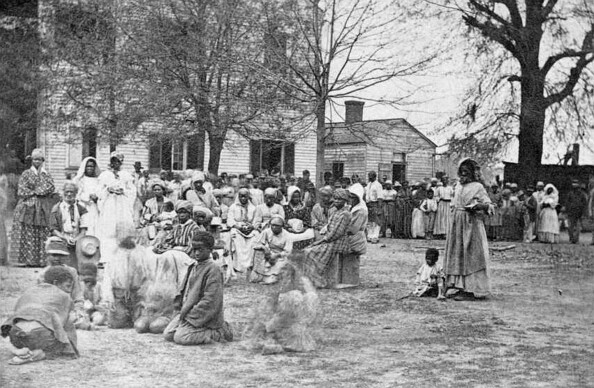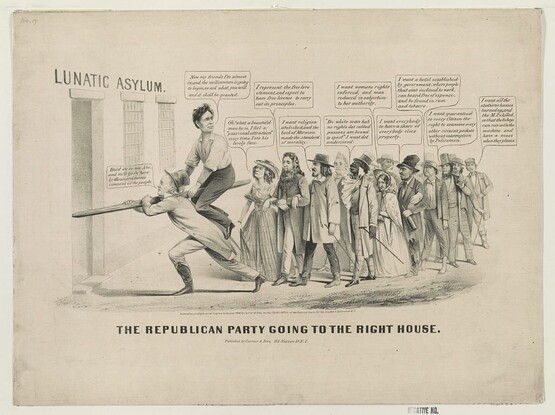
If you were Black and woke up in NYC on Monday, July 13, 1863, things got terrifying quick. For Black New Yorkers, there was no reprieve. Black life was dispensable to white mobs & law authorities. The Civil War, poverty, & rabid racism in 19th-century New York explains the events of that week. For Black Americans, the NYC Draft Riots were a heinous episode in an already brutal age. But it didn’t happen in a vacuum.

1/

@[email protected] @BlackMastodon #BlackMastodon #Histodons #History #NYC
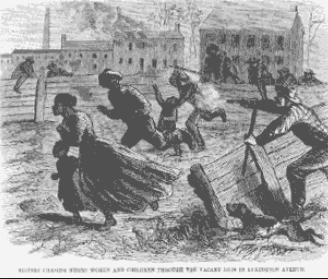
Competition for jobs, poor living and working conditions, political opportunism, and deep-seated prejudice, as well as chronic alcoholism and gangsterism—-all in the context of the Civil War and slavery made for a very combustible mix in 1863.

The New York City draft riots did not occur spontaneously.
This is what happened before.

[the following thread may contain objectionable language and sentiments]

2/

#BlackMastodon #Histodons #History #NYC
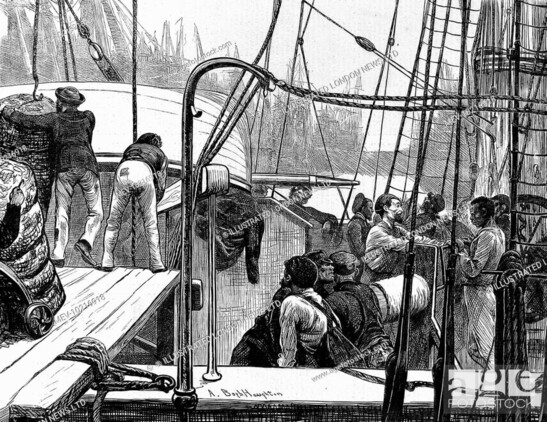
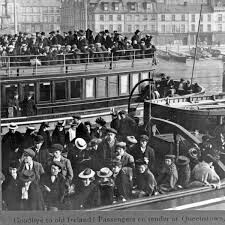
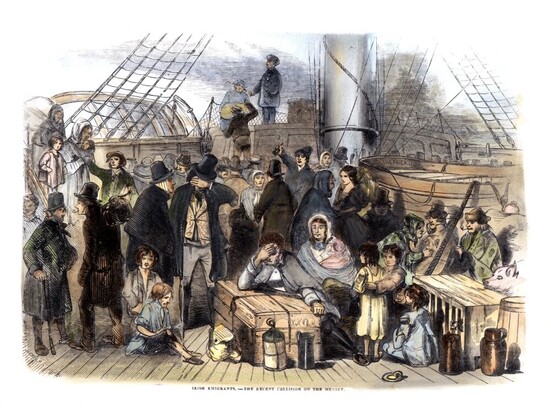
The United States witnessed a significant influx of Irish immigrants in the early 19th century due to a devastating famine in Ireland from 1845 to 1849. However, upon arriving in America’s rapidly growing industrial cities, the Irish faced new obstacles. Coming from predominantly rural backgrounds, their agricultural skills were of little value in the industrial economy of places like New York.

3/

#BlackMastodon #Histodons #History #NYC
In fact, over 70% of Irish immigrants in New York ended up working in low-paying, unskilled jobs. As a result, living conditions for Irish immigrants in New York were grim, with overcrowded and unsanitary neighborhoods plagued by crime and gang violence. These desperate circumstances led the Irish to heavily rely on the Democratic Party for support, widening the gap between them and the predominantly Protestant and nativist Republican Party.

4/

#BlackMastodon #Histodons #History #NYC
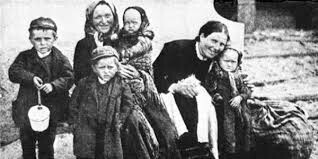
New York City was a hotbed of social conflicts, encompassing divisions between the rich and the poor, natives and immigrants, Protestants and Catholics, and Republicans and Democrats. Gang rivalries, winners and losers of industrialization, and other factors also contributed to the tensions. The Democrats, aligned with the Catholic Church, were cautious of the abolitionist movement, while the Republicans staunchly opposed slavery.

5/

#BlackMastodon #Histodons #History #NYC
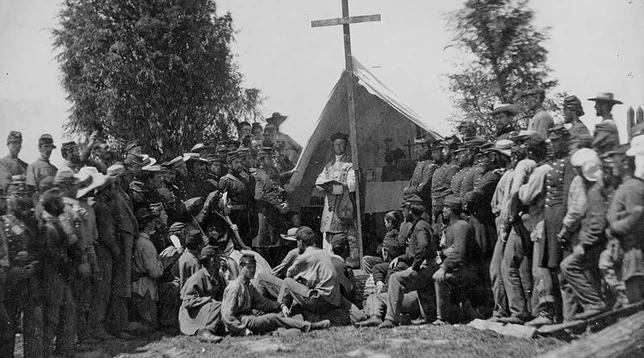
Riots were a common occurrence during this period, and the Irish played a prominent role in some, such as the anti-abolitionist riots of 1834. Thus, the 1863 Draft Riots, though shocking, were not entirely unprecedented, but rather part of a longstanding tradition of violent social protest.

6/

#BlackMastodon #Histodons #History #NYC
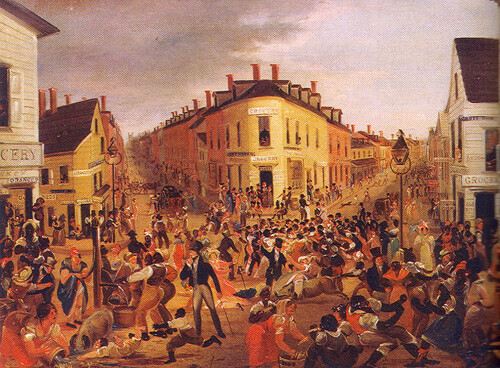
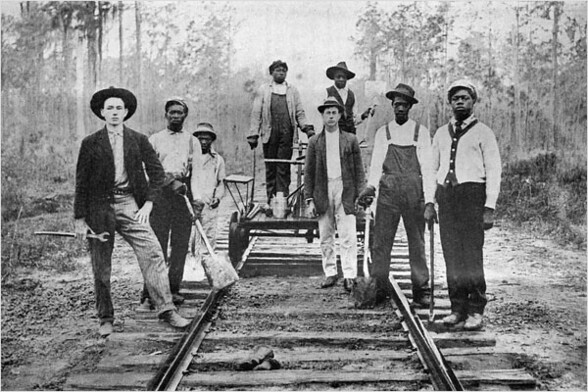
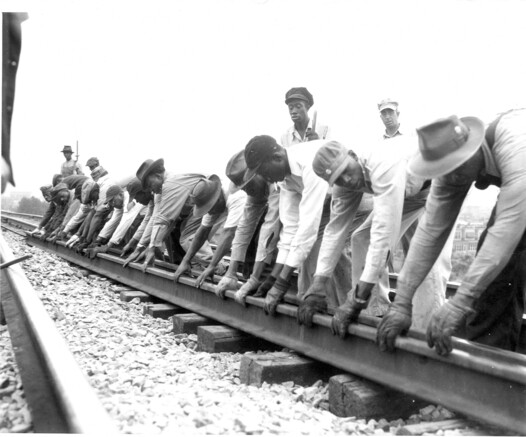
Before the large influx of immigrants in the 1840s and 1850s, various occupations in New York, such as longshoremen, hod-carriers, brickmakers, whitewashers, coachmen, stablemen, porters, bootblacks, barbers, hotel and restaurant waiters, were predominantly held by Black men.

7/

#BlackMastodon #Histodons #History #NYC
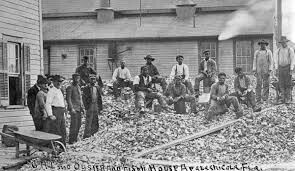
Black women, on the other hand, often worked as domestic maids, cooks, scullions, laundresses, and seamstresses, earning relatively good wages and maintaining job security. However, the significant arrival of white foreigners, especially after the Irish famine of 1846, drastically changed the landscape.

8/

#BlackMastodon #Histodons #History #NYC
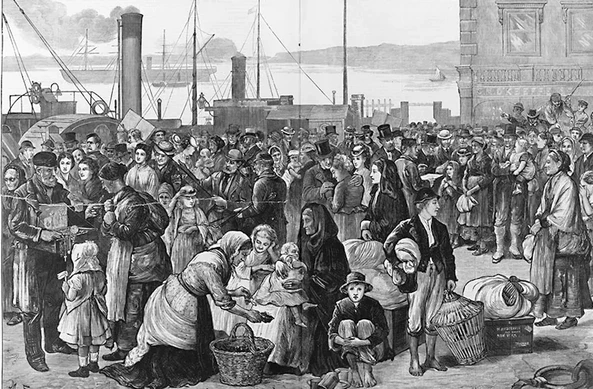
The influx of unskilled Irish immigrants flooded the jobs that were previously occupied by Black Americans. Desperate for any wages, the Irish reduced the earnings of Black workers

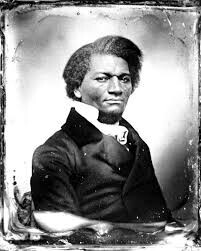
Frederick Douglass even remarked on the situation, urging Black Americans to learn trades or face unemployment, as they were continuously being replaced by newly arrived emigrants who were considered more entitled to the jobs due to their hunger and skin color.

9/

#BlackMastodon #Histodons #History #NYC
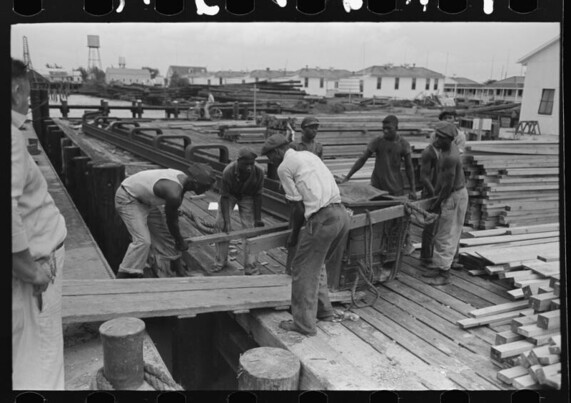
The Irish immigrants and Black New Yorkers found themselves in direct competition for unskilled jobs, particularly in the field of longshore employment. The issue escalated in December 1854 when striking Irish workers were replaced with Black strikebreakers, leading to racial violence.

10/

#BlackMastodon #Histodons #History #NYC
While the extent of Black labor being the main problem for the Irish is debatable, it was perceived as a significant threat. Aside from labor competition, Black New Yorkers were associated with abolitionism which clashed with the views of Irish Catholics in the city.

11/

#BlackMastodon #Histodons #History #NYC
At a Democratic rally in October 1860, James W. Gerard, a prominent lawyer and candidate for Congress, warned Irish and other immigrant laborers that the Republican party aimed to emancipate the laboring population of the South, resulting in Black labor overtaking white labor.

Consequently, anti-Republican and anti-Blackness had different targets but shared common grievances.

12/

#BlackMastodon #Histodons #History #NYC
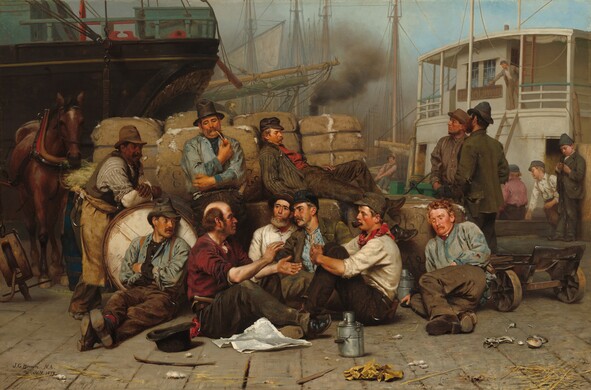
General Leslie Combs, speaking at a Democratic mass meeting, similarly declared that if the slaves were liberated, they would compete with white laborers for jobs in various industries. Pro-South businesses also pressured their employees to vote for the fusion Democratic ticket, using the preservation from Black competition as an incentive.

13/

#BlackMastodon #Histodons #History #NYC
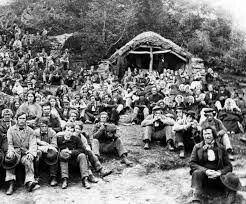
The NY Herald, known for its anti-Black sentiments, published editorials in 1860 campaign predicting catastrophe if Lincoln were elected, millions of Blacks would flood the North, refuse to work, burden Northern workers with taxes, and steal from Northern industry.

Despite patriotism, the narrative of competition persisted.Following the attack on Sumter, Democratic newspapers continued to raise concerns about Black labor upon emancipation.

14/

#BlackMastodon #Histodons #History #NYC
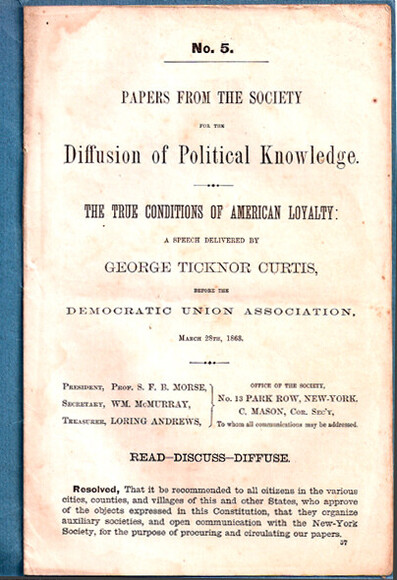
The Society for the Diffusion of Political Knowledge, an anti-emancipation propaganda group in NYC, published a letter by Henry Clay 2 decades earlier as its 1st pamphlet. The letter warmed a dire future for whites in the North if slavery were abolished.

The NY Weekly Caucasian, a fervently anti-emancipation publication, celebrated the opposition of the Metropolitan Record, the official organ of the Catholic Archbishop of New York, to the war.

15/

#BlackMastodon #Histodons #History #NYC
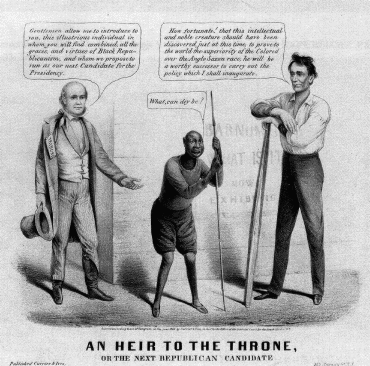
Democratic leaders and journalists succeeded in convincing the Irish that resisting the draft meant refusing to fight for their own economic well-being,

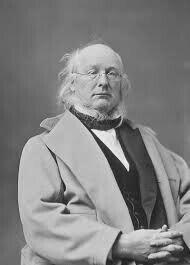
In 1862, Republican and abolitionist leaders, including Horace Greeley, recognized the impact of the labor competition argument, particularly among the Irish working class.

16/

#BlackMastodon #Histodons #History #NYC
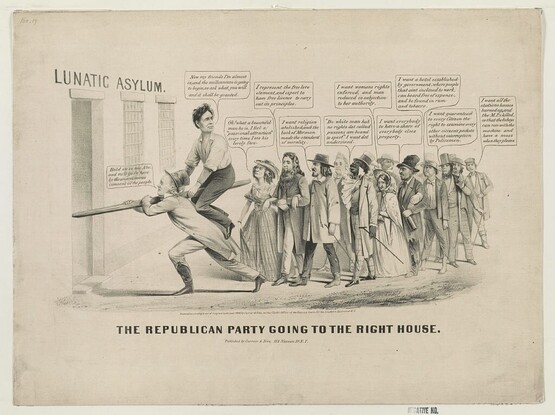
Republicans began actively refuting it at every opportunity. They and abolitionists argued that Black Americans migrated to the North to escape slavery and that ending slavery would halt this movement. They claimed that Black Americans had a strong attachment to their birthplaces and were better suited to the climate and agricultural work in the South.

17/

#BlackMastodon #Histodons #History #NYC
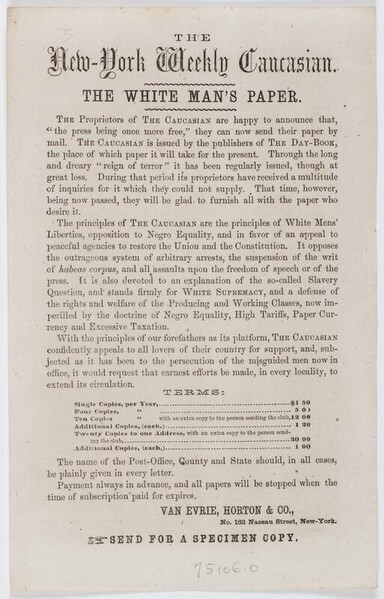
Republicans argued that supporting emancipation was in the interest of white workers, including Irish laborers.
In his message to Congress in December 1862, President Lincoln acknowledged the argument of Black labor competition against emancipation and suggested colonization as a solution to reduce the supply of Black labor and increase demand and wages for white labor.

18/

#BlackMastodon #Histodons #History #NYC
Before and after the emancipation proclamation, Lincoln denied the prediction of mass migration northward and the displacement of white workers, as he believed that Black Americans would remain in the South.

While information on the actual movement of freed Black Americans from the South to the Northeast is inconclusive, some migration did occur. Thousands of former slaves left states like MO, KY, TN, and MS for states in the Midwest.

19/

#BlackMastodon #Histodons #History #NYC
Despite restrictive laws in some Midwestern states to prevent the immigration of contrabands and protect white employment, the exodus continued. Abolitionists condemned these state codes as extreme responses to the fear of Black labor competition.

20/

#BlackMastodon #Histodons #History #NYC
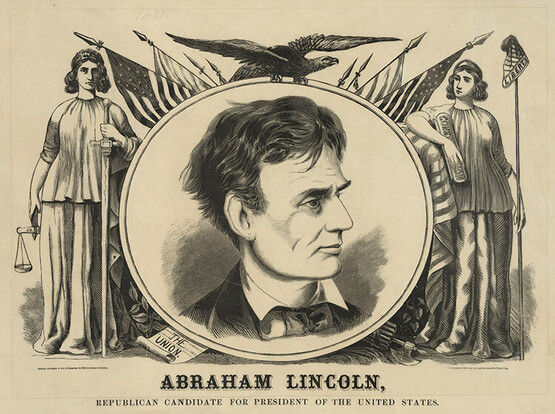
Some Black Americans did settle in New York City, particularly in the Five Points neighborhood near the Irish community. During a longshore strike preceding the draft riots, it was reported that three carloads of contrabands arrived in Jersey City and crossed to New York via ferry. While it is suggested that these Black workers were emancipated slaves breaking the strike, there is no conclusive evidence.

21/

#BlackMastodon #Histodons #History #NYC
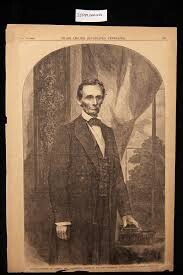
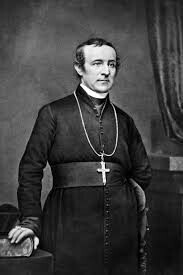
During the draft riots, Black Americans, including contrabands, sought refuge in the Seventh Avenue Arsenal. An individual with an Irish accent interjected Archbishop John Hughes made a speech, proclaiming, “Let the niggers stay in the South!'

The Freeman's Journal and Catholic Register called for the expulsion, imprisonment, or extermination of Black people who had migrated from the South.

22/

#BlackMastodon #Histodons #History #NYC
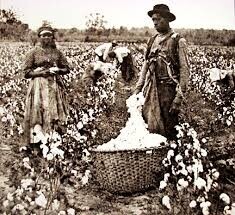
The available evidence does not support widespread desire among Black Americans to migrate to the North in 1862 and 1863. General Hunter, commander of the army's Department of the South in Port Royal, South Carolina, stated that only a few Black people had sought passes to the North since his arrival.

A superintendent in charge of contrabands in Washington, D.C., also found no significant desire among former slaves to emigrate to the North.

23/

#BlackMastodon #Histodons #History #NYC
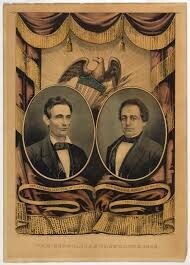
The extent of the movement of the enslaved from the South who could potentially compete was an issue but the evidence suggests that it was not substantial.

Thus, political leaders and journalists in New York exploited the fear among white workers that freed Black people would compete for jobs.

24/

#BlackMastodon #Histodons #History #NYC
@Deglassco the first utterance of the n-word for my ears to hear was from a Catholic nun. Second was from my dad. Racism and American Catholicism go together as pedo priests and American Catholicism.
@Deglassco great article. I don't understand the colonization reference. Colonise what?
@JohnCrowden Colonization, as put forth by the American colonization society, involved relocating Black Americans, once freed from slavery, to colonies in Africa.Lincoln believed that colonization could serve as a solution to the problem of racial inequality and potential conflicts between the newly freed slaves and the white population. To his mind, he thought this would prevent racial tensions from escalating in the United States.
@JohnCrowden But after Black men began to serve in the union army, and he looked at the logistics, he realized his thinking was in error.
@Deglassco Thank you. These threads are always fascinating and disturbing in equal measure.
@Deglassco This is precisely why history is important. When certain politicians, like the governors in Florida and Texas, try to deny children the opportunity of learning the truth about our past, they are harming all of the children. I grew up in Tulsa, Oklahoma, and not one textbook and not one teacher from K to 12 taught me anything about the massacre that took place in my hometown. I didn’t learn that truth until long after I had graduated high school. I still resent that.
@Deglassco
Favoriting seems wrong, so here’s a note of thanks for your posts. This one brought me to tears.

@Deglassco This seems very similar to what happened in Brazil a bit later.

Unemployment and the implied threat of hunger / homelessness are the pillars of capitalism. As soon as one group tries to organize — revealing that all value is indeed created by workers — another group is used to increase workforce reserve and make sure the worth of each individual is reduced in the eyes of the market.