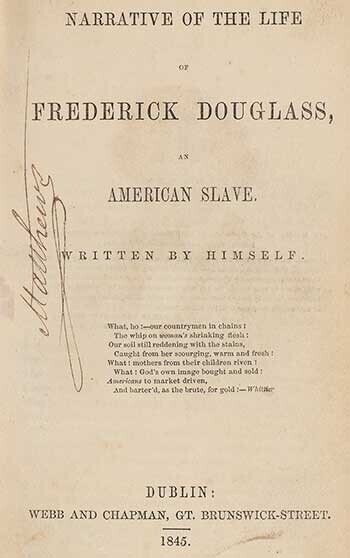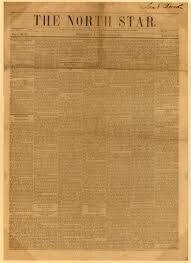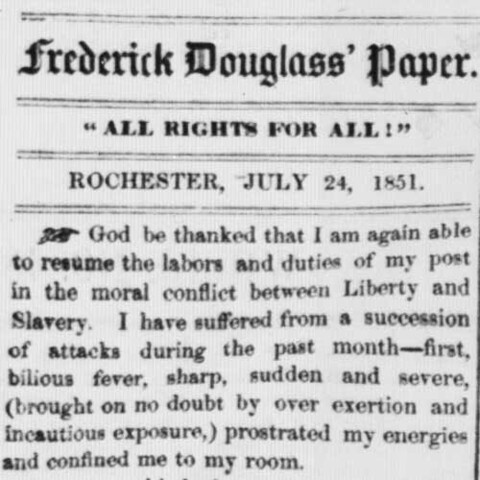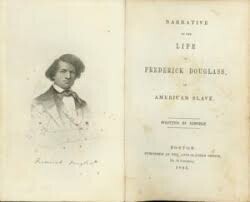
On July 5, 1852, Frederick Douglass delivered his greatest speech, "What to the Slave is the 4th of July?" Resonating with principles of freedom & equality, this speech was a powerful indictment of American hypocrisy & moral decay, as a nation simultaneously celebrated freedom while it enslaved millions. He compelled white Americans to confront the inherent moral contradictions in their society or face dire consequences.

1/31

#BlackMastodon
#Histodons #History
@[email protected] @BlackMastodon
By 1852, 4 million Black Americans were tragically distant from the concept of freedom. Frederick Douglass had tirelessly spoken, written, lobbied, and debated on their behalf. His autobiography, "Narrative of the Life of Frederick Douglass, an American Slave," had garnered acclaim. Since its publication in 1842, people were familiar with his daring escape at age 18, his capture, & subsequent flogging.

2/31

#BlackMastodon #StillWeRise
#Histodons #History #4thofjuly #independenceday
#books

People knew of his transformation into a disguised sailor, enabling him to leave a Baltimore shipyard behind, embarking on a journey by train, ship, and another train, forever leaving his past but always reflecting on it.

Douglass faced personal turbulence during this period as well. In the late 1840s/50s, he encountered financial hardships while endeavoring to sustain his newspaper, The North Star, which he had established.

3/31

#BlackMastodon
#Histodons #History #4thofjuly #
#books

During the early 1850s, he experienced a nervous breakdown and struggled to provide for his family. Julia Griffith, a friend and treasurer of the Rochester group that invited him to deliver the 1852 speech, was among those assisting him in fundraising efforts to keep the newspaper afloat.

4/31

#BlackMastodon #StillWeRise
#Histodons #History #4thofjuly #independenceday #books

When Douglass penned his Fourth of July speech, the stage was set for a profound discourse on the ethical dilemma of slavery. From its inception, the institution of slavery had been a source of profound division and controversy in America. As the mid-19th century approached, tensions mounted as the country wrestled with the contentious expansion of slavery into recently acquired territories.

5/31

#BlackMastodon #StillWeRise
#Histodons #History #4thofjuly #independenceday
#books

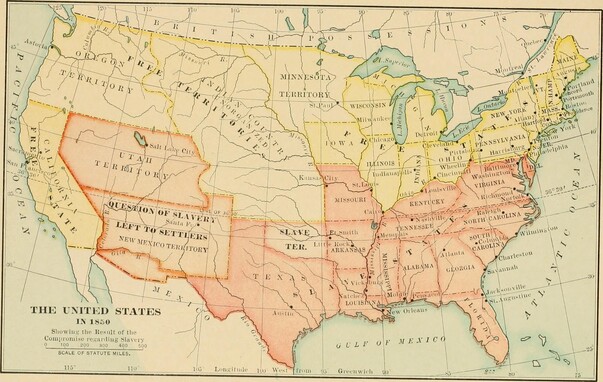
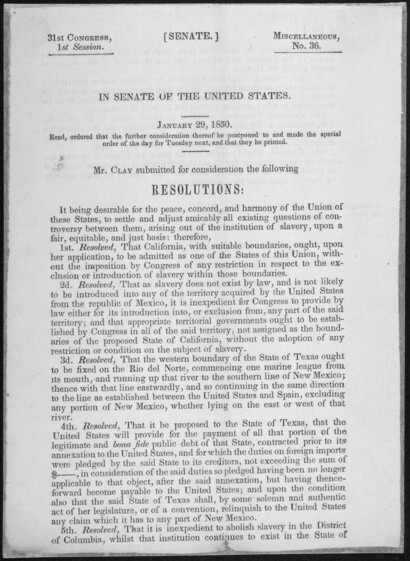
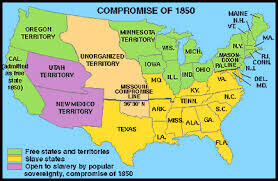
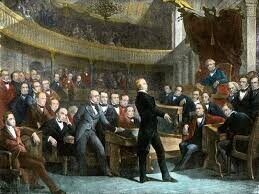
In 1849, California sought admission to the Union as a state without the institution of slavery, posing a potential threat to the delicate equilibrium between free and slave states in the U.S. Senate. In response, Senator Henry Clay presented a set of resolutions on January 29, 1850, with the aim of finding a compromise and preventing a looming conflict between the Northern and Southern regions of the country.

6/31

#BlackMastodon #StillWeRise
#Histodons #History #4thofjuly #independenceday

In September 1850, the United States Congress enacted the Compromise of 1850. This legislative package primarily aimed to tackle matters pertaining to slavery and, to a lesser extent, territorial expansion. The bills encompassed various provisions, including the determination of slavery through popular sovereignty for new state admissions, and the implementation of a more stringent fugitive slave act.

7/31

#BlackMastodon #StillWeRise
#Histodons #History #4thofjuly #independenceday
#books

Furthermore, this compromise led to California joining the Union as a free state, the establishment of a territorial government in Utah, and the settlement of the Texas-New Mexico boundary dispute alongside the creation of a territorial government in New Mexico.

8/31

#BlackMastodon #StillWeRise
#Histodons #History #4thofjuly #independenceday
#books

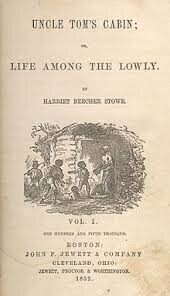
During the time when Douglass was formulating his Fourth of July speech, the groundbreaking novel Uncle Tom's Cabin had recently been published in the spring of 1852, captivating the nation. This powerful work galvanized the anti-slavery movement and effectively exposed the moral degradation of slavery to the broader masses of ordinary people.

9/31

#BlackMastodon #StillWeRise
#Histodons #History #4thofjuly #independenceday
#books

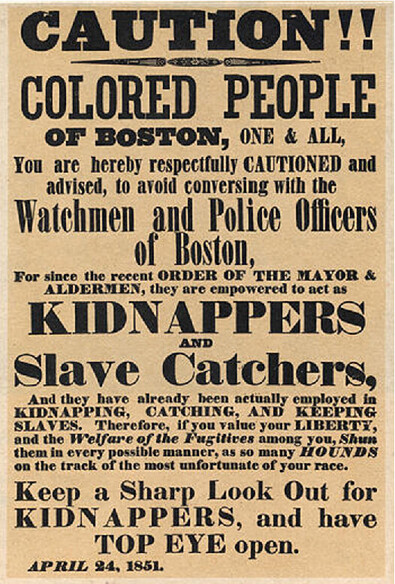
As a component of the Compromise of 1850, the Fugitive Slave Act was introduced, accompanied by the abolition of the slave trade in Washington, D.C. This act mandated the return of escaped slaves to their owners, even if they sought refuge in a free state. Additionally, it placed the onus on the federal government to locate, retrieve, and prosecute these fleeing slaves.

10/31

#BlackMastodon #StillWeRise
#Histodons #History #4thofjuly #independenceday
#books

@Deglassco Some of this is not easy to read, or think about. But it is real. Thank you, Dr Glassco.
@Wolleysegap thank you for reading it and being open to the information.