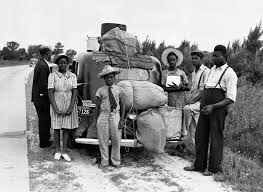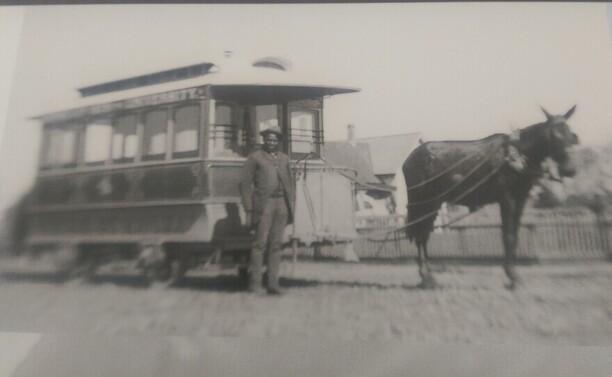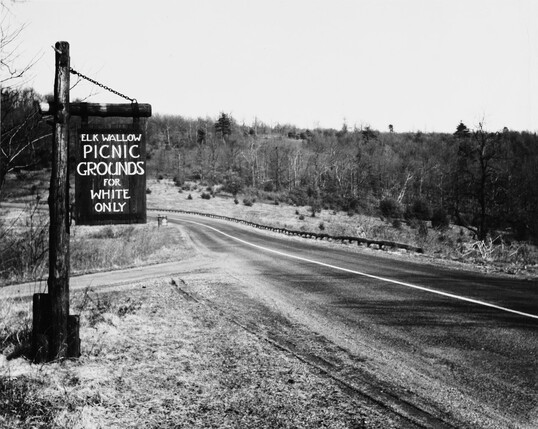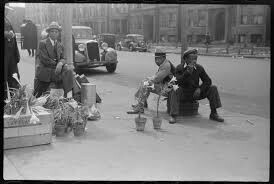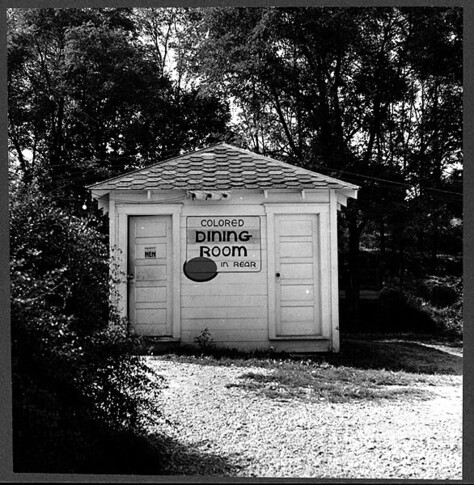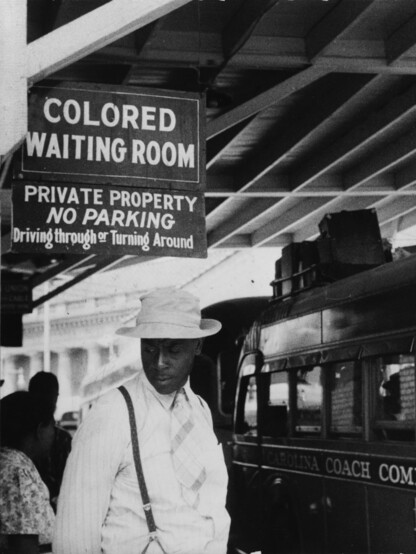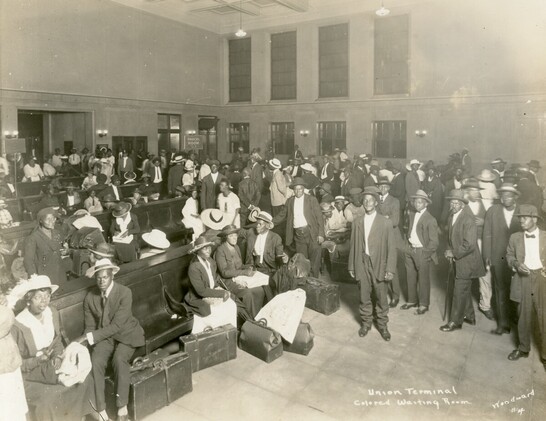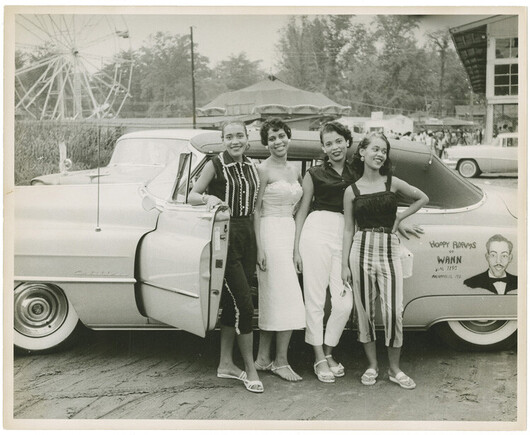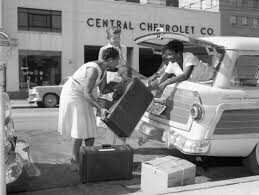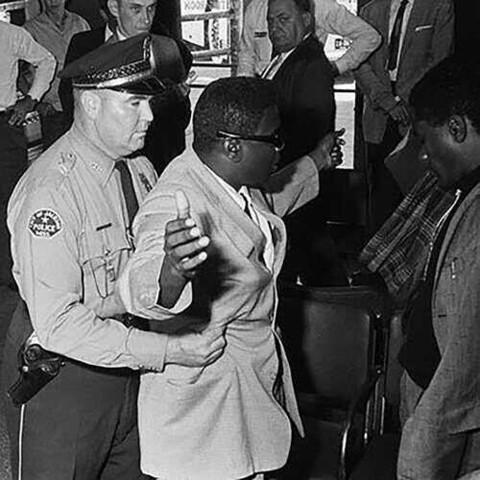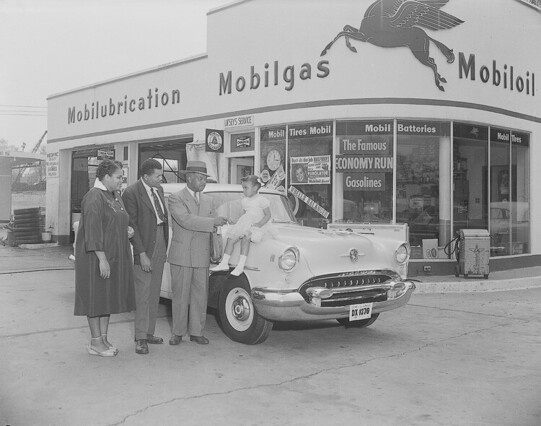
Familiar to just about every Black American, the phrase "traveling while Black," encapsulates the experiences & challenges encountered by Black people during their travels, particularly in predominantly white or racially hostile environments. It sheds light on the racial profiling, discrimination, and systemic biases that generations of Black folks have faced on their journeys across the American landscape.

1/21

#BlackMastodon #Histodons #History #travel #books
@[email protected] @BlackMastodon
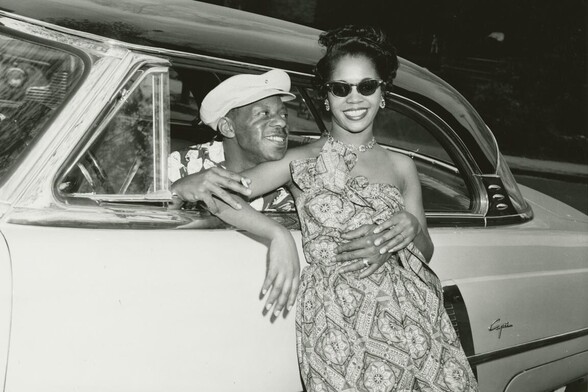
Even after Emancipation and the introduction of civil rights legislation in late 19th century, white Americans, esp in former Confederate states, maintained their privileged social position by subjugating Black Americans in various aspects of life, including housing, education, healthcare, employment, & public transportation. Consequently, Black travelers endured scrutiny, harassment, & suspicion solely based on their race.

2/21

#BlackHistory #BlackMastodon #Histodons #History
#Travel

Just after Emancipation and before the widespread use of automobiles, Black Americans faced significant challenges while traveling due to racial segregation and discrimination that persisted during the Jim Crow era in the United States. Despite being legally free, Black folks encountered obstacles and dangers during their journeys.

3/21

#BlackHistory #BlackMastodon #Histodons #History
#Travel

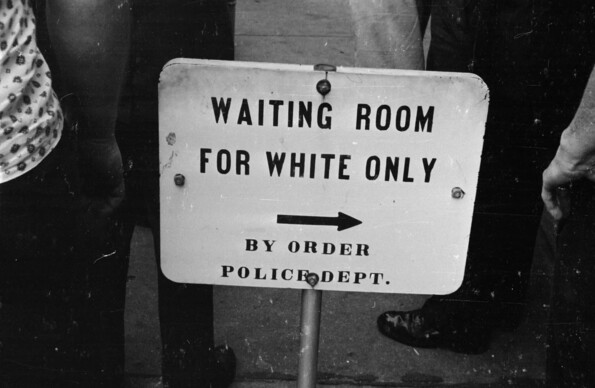
The roots of “traveling while black” trace back to the implementation of segregation laws aka “Jim Crow laws.” These laws enforced racial separation in public spaces like transportation. Black Americans were subjected to separate & inferior accommodations, faced mistreatment in trains, buses, & waiting areas. The segregated facilities were poorly maintained & lacked basic amenities, highlighting institutionalized racism embedded in travel.

4/21

#BlackMastodon #Histodons #History
#Travel

Black travelers faced numerous challenges during this era. They encountered frequent harassment and violence from white supremacists and vigilante groups, making their journeys fraught with danger. Lynchings and other acts of racial violence were prevalent, creating an atmosphere of fear.

5/21

#BlackHistory #BlackMastodon #Histodons #History
#Travel

Black folks endured racial profiling, arbitrary stops, searches, & interrogations by law enforcement solely based on their race. The aim was to subjugate and control. Stopping in an unfamiliar place carried the constant risk of danger: humiliation, threats, or more severe consequences. To navigate this hostile landscape and find safe and welcoming establishments, travelers relied on a network of shared advice, often told through word of mouth.

6/21

#BlackMastodon #Histodons #History
#Travel

In the early days of the Great Migration, Black travelers departed from the South via train. Families along the East Coast would take the Atlantic Coast train to Richmond & then transfer to different rail lines heading further north. Those based in MS would board the IL Central, traveling north to Memphis & onward to cities like St. Louis and Chicago. Passengers from Louisiana & Texas could take the Southern Pacific Railroad westward to CA.

7/21

#BlackMastodon #Histodons #History
#Travel

Black passengers leaving the South were forced to endure segregated train cars, typically the oldest and most dangerous in the event of a crash. These Jim Crow cars also served as shared spaces for White passengers to smoke and for law enforcement to transport prisoners, often housing luggage from other cars.

8/21

#BlackHistory #BlackMastodon #Histodons #History
#Travel

Some Black Americans turned to automobile travel as a means to escape the deplorable conditions of segregated train cars labeled "colored-only." Yet, they soon discovered that the geography of Jim Crow extended far beyond their expectations. Motels and rest stops denied them places to sleep, and filling stations that sold them gas prohibited them from using "whites only" bathrooms.

9/21

#BlackHistory #BlackMastodon #Histodons #History
#Travel

Along the nation's highways, Black travelers were systematically denied access to essential services such as gas stations, restaurants, restrooms. White motorists would intentionally damage expensive cars driven by Black people in an attempt to exert dominance. The prevalence of "Sundown Towns" across the country further reinforced the vast influence of white supremacy, as Black Americans were forbidden from being on the streets after dark.

10/21

#BlackMastodon #Histodons #History
#Travel

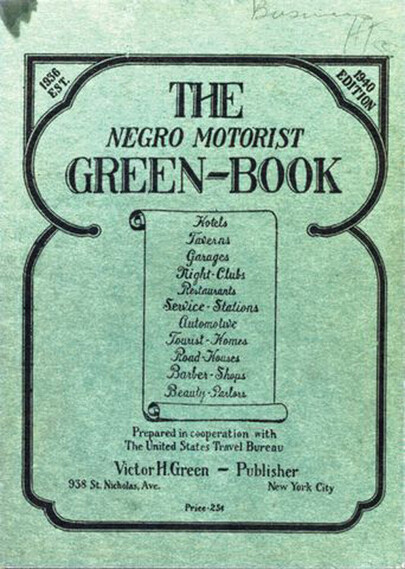
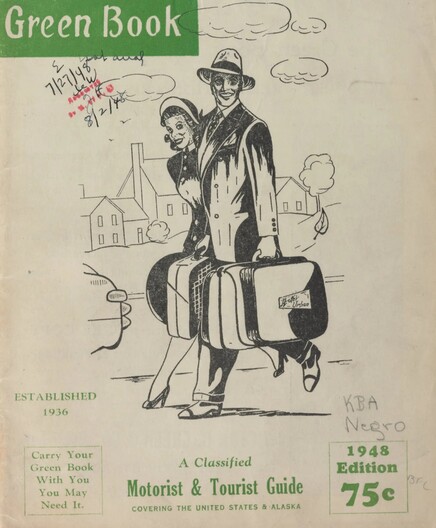
The constant fear of racial profiling persisted, as police officers would often pull over Black motorists under the pretext of "driving while black." These encounters posed the threat of arrest, physical assault, or even death. In response to these subjugations, intentional resistance emerged. Black Americans relied on networks of safe spaces and support systems, with guidebooks like “The Negro Motorist Green Book” playing a crucial role.

11/21

#BlackHistory #BlackMastodon #Histodons #History

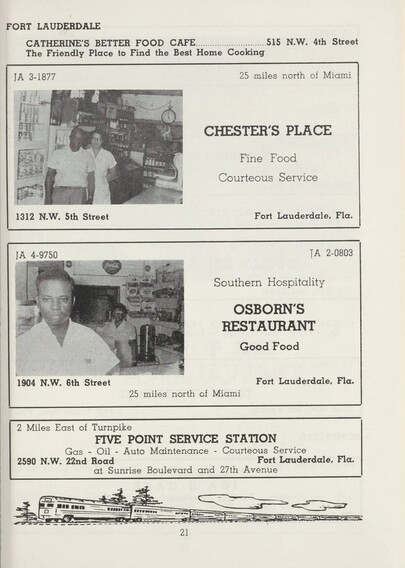
In 1936, a Harlem resident and postal worker named Victor Hugo Green started collecting information that would help Black motorists navigate the challenges of segregation. This guide, known as the Negro Motorist Green Book, became an essential resource for Black travelers in the 1950s and early 1960s. It provided a list of places such as hotels, restaurants, & service stations that treated Black travelers safely and fairly.

12/21

#BlackHistory #BlackMastodon #Histodons #History
#Travel

Published from 1936 to 1966, the Green Book listed various accommodations and services available to African Americans throughout the country. The Guide used input from postal contacts, traveling salespeople, and business owners. The Standard Oil Company partnered with Green to distribute the book at their Esso gas stations.

13/21

#BlackHistory #BlackMastodon #Histodons #History
#Travel

As racial barriers began to fall and the Civil Rights Act of 1964 outlawed racial discrimination in public accommodations, the influence of the Green Book diminished. It ceased publication, marking the end of an era. However, the guide's 3 decades of listings provide valuable insights into Black business ownership and travel mobility during the Jim Crow era.

14/21

#BlackHistory #BlackMastodon #Histodons #History
#Travel

Guidebooks like The Negro Green Book provided information about establishments that welcomed Black travelers, allowing them to navigate the challenges and find hospitable accommodations. Traveling became an opportunity for community-building, activism, and the promotion of social and political change. Black Americans organized campaigns against discrimination and fought for equal rights in transportation and public spaces.

15/21

#BlackHistory #BlackMastodon #Histodons #History
#Travel

The history of segregated transportation in the American South played a central role in the Civil Rights Movement. Black folks began to refuse to accept 2nd-class treatment on public transportation, sparking a wave of resistance. The Freedom Riders challenged segregated private bus systems, enduring harassment, imprisonment, and violence. The Civil Rights Act of 1964 desegregated these transportation systems & associated businesses.

1621

#BlackMastodon #Histodons #History
#Travel

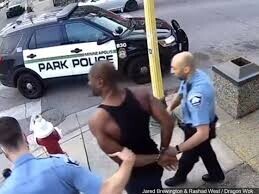
While legislation, like the Civil Rights Act of 1964, helped ameliorate some conditions, the legacy of traveling while Black extends beyond the Jim Crow era. Black travelers still face serious and potentially deadly forms of racism today. Racial profiling and traffic stops have made driving a particularly dangerous experience for Black Americans. Recent events highlight the urgent need for reform.

17/21

#BlackHistory #BlackMastodon #Histodons #History
#Travel

The United States of America has never been a land of unrestricted travel and freedom for all. The experiences of Black folks navigating the American landscape are deeply shaped by their race, even today. While significant progress has been made, the struggles persist.

18/21

#BlackHistory #BlackMastodon #Histodons #History
#Travel

@Deglassco Travel and movement within the US has been, and still is, appreciably hard. To be frank, much of America's so-called freedom is merely the freedom of the moneyed class to prey on the poor and working classes. Conservatives purposely construe freedom to be in the sense of unregulated commerce. Freedom in the sense of inalienable rights is an anathema to them. They see increased human rights as a fundamental threat to their existence.