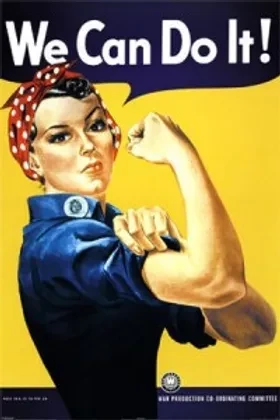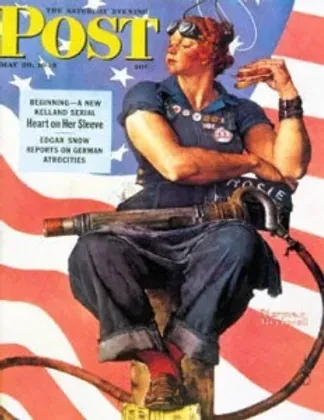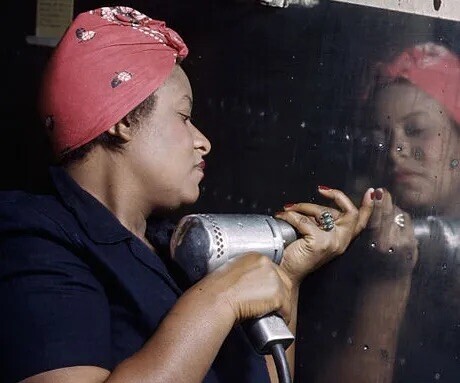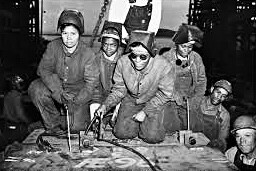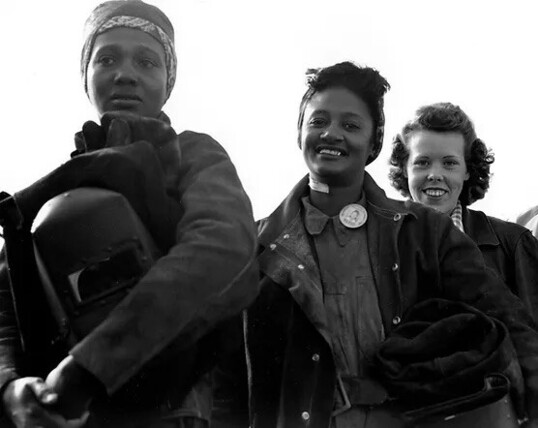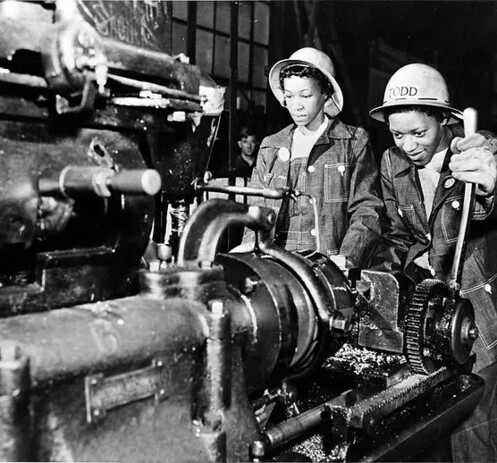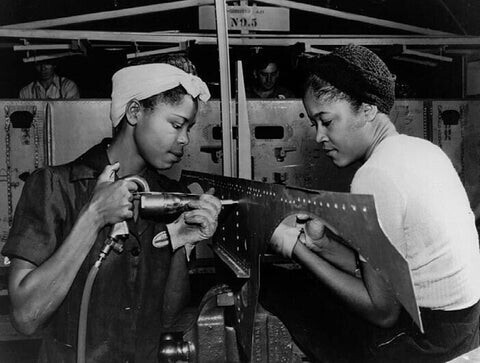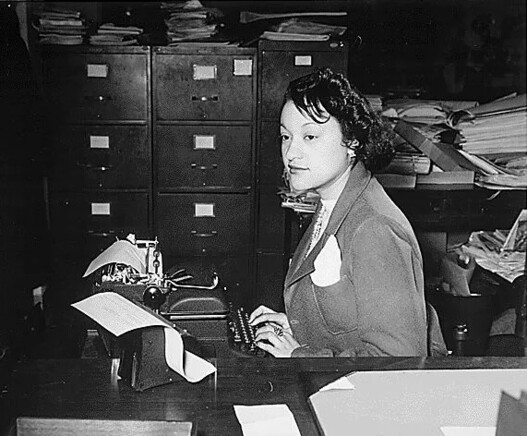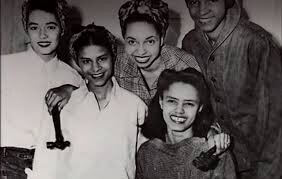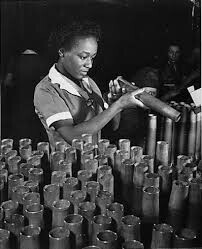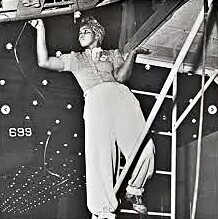
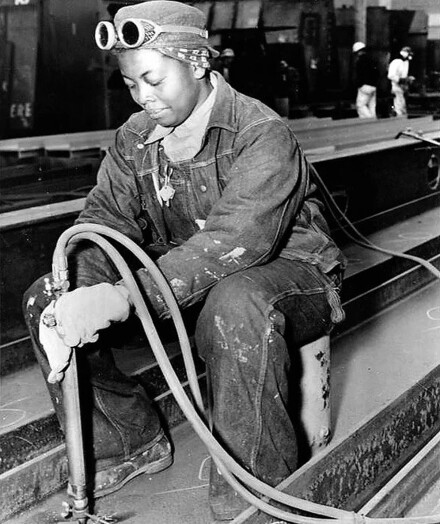
In WW 2, millions of women, called "Rosies," supported the forces. Often overlooked are "Black Rosies," 600,000 Black women who joined various industries. Racism, sexism, & other obstacles hindered them. Despite these adversities, they made significant contributions to the war effort. Given the challenges, these remarkable women are some of the most significant figures of the 20th century. They have earned their place in history.

1/13
#BlackMastodon #History @[email protected]@BlackMastodon

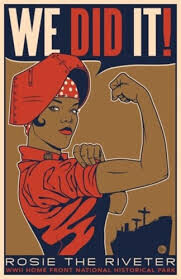
Rosie the Riveter, with her iconic red bandanna, blue coveralls, and strong arm, represents the indomitable spirit of America's working women during World War II. However, the image fails to capture the diverse workforce that labored alongside their white counterparts.

2/13

#BlackMastodon #History #histodons #WW2 #BlackHistory
#Juneteenth

Among these unsung heroes were over half a million "Black Rosies" who toiled in shipyards, factories, offices, and various other sectors to combat both foreign authoritarianism and the entrenched enemy of racism on the home front. Sadly, their immense contributions went largely unacknowledged for decades.

3/13

#BlackMastodon #History #histodons #WW2 #BlackHistory
#Juneteenth

The war effort demanded participation of entire populations, as witnessed in the preceding Great War. With the United States' entry into the conflict in 1941 & the enlistment of millions of American men, the government turned to women to fill essential war-related roles. At the peak of wartime industrial production, approximately two million women were employed in industries connected to the war.

4/13

https://vimeo.com/589453279

#BlackMastodon #History #histodons #WW2 #BlackHistory
#Juneteenth

TRAILER: INVISIBLE WARRIORS: AFRICAN AMERICAN WOMEN IN WORLD WAR II

Vimeo

Securing employment proved challenging for many aspiring Black Rosies, as white male employers often refused to hire Black women. Their struggle for equal consideration in the face of incredible opportunity is a testament to their determination.

https://youtu.be/MPLt8L5wogA

5/13

#BlackMastodon #History #histodons #WW2 #BlackHistory
#Juneteenth

Black "Rosie the Riveter" Reflects on her work during WWII

YouTube

Employers steadfastly refused to hire Black women. Eventually, the persistence of activists Mary McLeod Bethune and A. Phillip Randolph forced FDR to sign Executive Order 8802 in 1941, prohibiting racial discrimination in the defense industry. This order facilitated the entry of Black women into the war effort, with 600,000 of the one million African Americans entering paid service for the first time being women.

6/13

#BlackMastodon #History #histodons #WW2 #BlackHistory
#Juneteenth

Roles undertaken by Black Rosies were diverse and crucial. They filled positions in factories as sheet metal workers & munitions assemblers, contributed to shipbuilding in navy yards, & worked on assembly lines as electricians. Their talents extended beyond manual labor, with Black Rosies serving as computer scientists, clerk typists, farmers, & miners, supplying vital cotton for American troops' bed linens and uniforms.

7/13

#BlackMastodon #History #histodons #WW2 #BlackHistory
#Juneteenth

Despite their significance, Black Rosies faced the biting combination of racism and sexism on the home front. Both Black and white women received lower wages—10 to 15 cents per hour less than their male counterparts—despite equal pay regulations. And Black women, in general, were denied benefits and barred from participating in union activities, with the shipbuilder's union even excluding Black women from membership altogether.

8/13

#BlackMastodon #History #histodons #WW2 #BlackHistory

These struggles were intricately woven into the broader fight for victory that Black Americans confronted—the Double V campaign for triumph over both foreign oppression and domestic racism. Yet, the invaluable contributions of Black Rosies went unrecognized for years. Only now are these women starting to receive attention for their remarkable contribution to the war effort.

9/13

#BlackMastodon #History #histodons #WW2 #BlackHistory
#Juneteenth

Black Rosies not only played a vital role in the war effort but also sought economic empowerment. For many Black American women, becoming a Rosie offered an escape from dead-end domestic and sharecropping jobs, aligning with the ongoing Great Migration. The war provided them with an unprecedented opportunity to earn money and shape a better future.

10/13

#BlackMastodon #History #histodons #WW2 #BlackHistory
#Juneteenth

The legacy of Black Rosies serves as a testament to the contributions of Black Americans to the nation's growth and prosperity. Like their male counterparts who fought abroad despite facing inequality at home, Black Rosies served their country under unequal conditions, motivated by a desire to fulfill their patriotic duty.

11/13

#BlackMastodon #History #histodons #WW2 #BlackHistory
#Juneteenth

The conditions under which Black Rosies worked and the contributions they made have only come to light in the past few decades. It is imperative that we remember and honor the stories of Black Rosies, who, like the white Rosie the Riveters, are finally finding their rightful place in American history.

https://youtu.be/v-U6vSZCeNI

12/13

#BlackMastodon #History #histodons #WW2 #BlackHistory
#Juneteenth

The Black 'Rosie the Riveters': Women of color who broke barriers during WWII

YouTube
Betty Reid Soskin - Rosie the Riveter WWII Home Front National Historical Park (U.S. National Park Service)

@Deglassco your posts are always so well-sourced, beautifully written with fascinating photos. Thank you.
@BogCranAK @Deglassco
This! I came to say the same. Great story, great pictures. Never saw them before.
@Frankc1450 yes, they were remarkable in their contribution and fortitude, despite the racism and malignant discrimination aimed at them.