Sixty-six million years ago, an asteroid slammed into what is today the Yucatan peninsula of Mexico. The impact was so forceful that it kicked a tremendous amount of debris out of the atmosphere, which then rained back down, blanketing the Earth's surface with a layer of dust.

All that debris re-entering the atmosphere created a pulse of heat so strong that it set the world on fire.

As @laelaps describes so vividly in her book, The Last Days of the Dinosaurs, this heat -- which only lasted a few hours--was lethal to most animals on the Earth's surface.

Most of those that survived were the ones that could hide in burrows or in the wet protection of lakes, swamps, or the oceans. And then they had to contend with a blasted, charred landscape where little plant life remained except as seeds or roots in the soil.

The survivors weren't out of the proverbial woods yet. The ash of these global fires, and the dust from the impact, then severely cooled the planet in an "impact winter" that lasted for years. Most plants lacked the light they needed to thrive. Food was scarce.

The recovery of life in the aftermath of this mass extinction is one of the greatest stories of resilience in Earth's history.

And we owe it, in part, to the humble fern.

The fossil record is like a book read in the rocks. Some pages (rock layers) are really detailed, with lots of information. Others are missing -- sometimes entire chapters. Sometimes, individual pages are really thick, and the words are blurry -- you can only make out fragments.

The K-Pg impact is not one of those blurry, thick layers where the geologic timeline is muddy.

It's one really bad afternoon recorded in a visible layer of dust, ash and charcoal. You can even touch it, in places like New Mexico, where the rock outcrops are easily accessible.

That bright line in the rock marks the end of the old world (dinosaurs, cycads and conifers) and the beginning of the new (flowering plants and mammals, which rapidly filled the niches left by dinosaurs).

No impact, no us. It's a debt we can't repay, but we can pay it forward.

So, how did life recover after the impact? If you sample the rocks right above the K-Pg impact layer, you can recreate the timeline of how plants recovered after the fires, the thick blanket of ash, the darkness, the acid rain, and the cold.

One group of plants held on in this harsh environment, as indicated by their abundance in the fossil record in the years, centuries, and even millennia after the impact event: FERNS.

Ferns' success after a catastrophe has even been seen in modern environments. They're often the first species to return after volcanic eruptions.

So, what's their secret? Is it their ability to disperse easily, via tiny spores? Or is it something about fern biology that helps them thrive after disasters?

To test this, my colleagues Jarmila Pittermann, Emily Sessa, Regan Dunn, and Ellen Currano and I were funded by NASA Exobiology to bridge paleontology with modern experiments, growing ferns and other plants in the pre- and post-impact environment.

Last fall, the experimental "asteroid" hit the greenhouse.

In a greenhouse in Santa Cruz, Jarmila Pittermann recreated the post-impact environment (low light, acid rain, cold) and then measured how ferns and other plants responded. You can read about the experiment in this fantastic article in the LA Times by Corrine Purtill:

https://www.latimes.com/science/story/2023-05-31/the-biggest-extinction-event-in-the-planets-history-is-happening-again-in-santa-cruz

Simulating a planetary mass extinction in a Santa Cruz greenhouse

Scientists are using a UC Santa Cruz greenhouse to re-create the mass extinction that wiped out the dinosaurs. They want to learn why some species survived.

Los Angeles Times

We're hoping that our research will shed light on why ferns were so successful following disasters, which can help us to understand how to manage ecosystems following major upheavals (stay tuned for a really cool paper on this by postdoc Lauren Azevedo-Schmidt!).

Finally, my first toot made it sound like TODAY is the anniversary of the K-Pg asteroid impact. While the geologic record of that event is very precise, we couldn't possibly know when, exactly, the impact happened.

Or could we?

@JacquelynGill
honestly, who - scientists included - seriously thinks about the exact date of an incident that happened about 45 mio years b/f the invention of a calendar? more exciting the info that it "happened" in spring/early summer (northern hemisphere). And even more exciting still to find out why certain animals/plants survived the disaster and others did not.
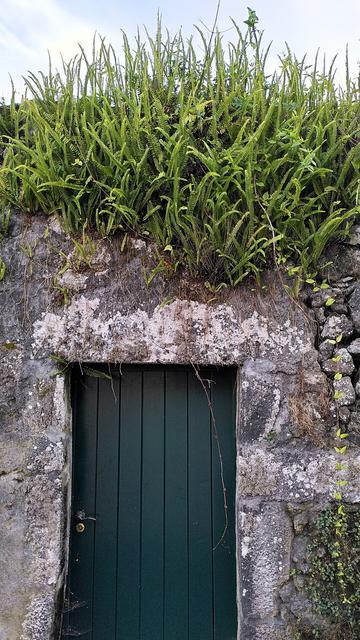
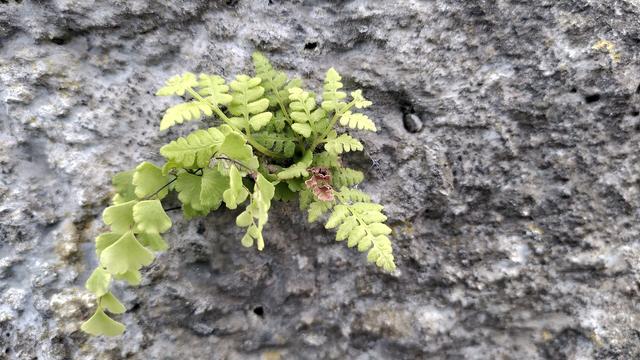
I love ferns, not only but also when they have settled humbly in walls of volcanic rock... (both from faial, açores)

@[email protected]

There's always one. Always.

🙄😑