 abadidea
this is how I feel when a program’s output is written like “I could not find the file” instead of “file not found”
 Spitfire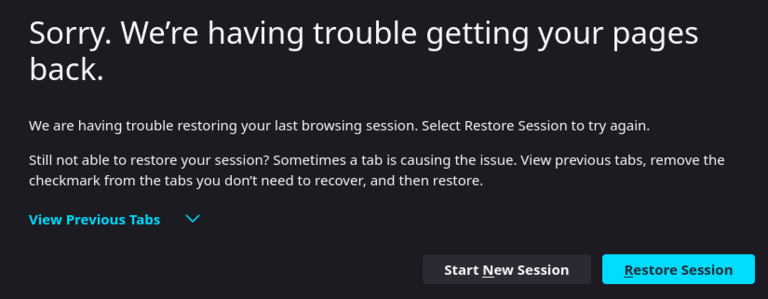
@gcspitfire “we” bothers me less because it can reasonably parse as “we, the people who run this service.” Whereas “I” can only possibly refer to the program itself
 Kay Ohtie 🎈🌵🐺
@0xabad1dea @gcspitfire I tend to put "we" in something I've written where I feel I've put a reasonable amount of error handling in so it will spit out if something goes horribly wrong, but this is also only for like, PowerShell or bash scripts that are automated and their output logged and emailed in the event of an error, so it's a different context than user facing.
 indrora, hacker at small
@ceralor @0xabad1dea @gcspitfire The broad use of the "royal we" in technical content is a weird one; there's a whole section of it in the style guide at work that doesn't discourage it but specifically states that it should be limited occasional dialogs and console events, never exceptions or API messages.
yes: "to continue, we must verify the following checksums"
no: "FileNotFound: we couldn't locate the object /banana"
Even the yes comes with the caveat that "clearer words should be used."
@indrora @0xabad1dea @gcspitfire makes sense! I can't imagine APIs returning first person language.
And I don't have to, because I've literally seen it when it returns a vague fucking error over API that the front end dutifully displays aaaa