 Vagina Museum
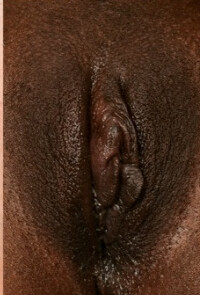
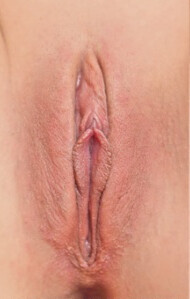
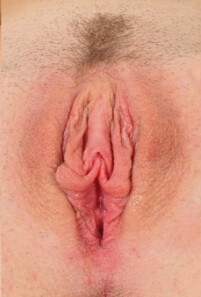
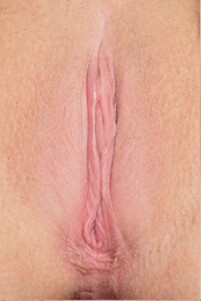
This month, our #VulvaDiversity topic is a peek under the hood. Or more accurately, a peek *at* the hood. We're looking at all the various shapes and sizes that clitoral hoods come in!
As always, you'll get blocked for making sexualised remarks or vulva-shaming comments, so don't do that. Also, this thread will include photos of real human vulvas so if you don't have content filters switched on, don't complain when you see vulvas on your screen!


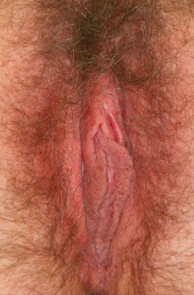
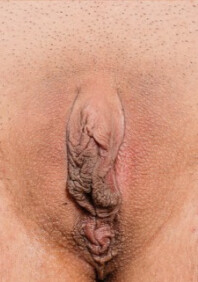
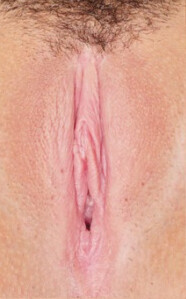

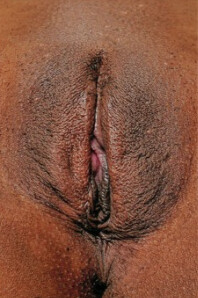
 kalizoid313
 ⚡ I think the first photos of this sort that I ever looked at as art works were Tee Corrine's at Good Vibrations in San Francisco. Back when.