
It's incredible how much space is given to a few people in motor vehicles vs so many more people on foot or wheels. It's a vast inequity.

Nowhere is this more stark than #ShibuyaCrossing; the world's busiest pedestrian crossing with as many as 3,000 people crossing at a time. Compared to around 12 cars fromone direction of the junction in one sequence. #Urbanism #CitiesForPeople
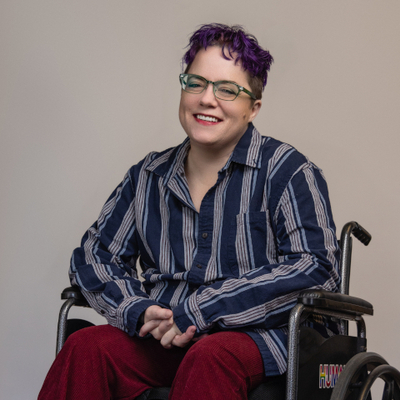
@velobetty I am very much in favor of "walkable cities", but as a wheelchair user, I do worry for disabled folks who rely on motorized travel for independence and autonomy. It seems like a lot of folks just don't mention that, when they're making ideal plans. Thoughts?

@VaylLarkinPoet The vast majority of motor traffic in cities actively prevents disabled people from accessing spaces and people who need to use motor vehicles for access are hindered from doing so because of people who don't need to use motor vehicles.

Vastly reducing motor traffic benefits everybody, including disabled people.

I can't see a city ever having *no* cars but if there are only cars that are really needed it'd be a great city for people!

@velobetty I will just say that while I agree with what you're saying, a plan where disabled people are just expected to automatically have access has resulted in equal access exactly zero times. Just making sure that even though we can't walk or ride, we still get a voice.
@VaylLarkinPoet I mean that disabled people should be the *first* people considered. Then people who walk. Then who cycle. Then who use public transport.