#Naturephotography #Autumn #Macro #Colorado

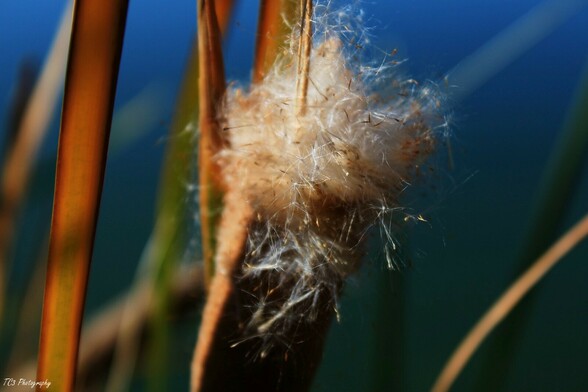
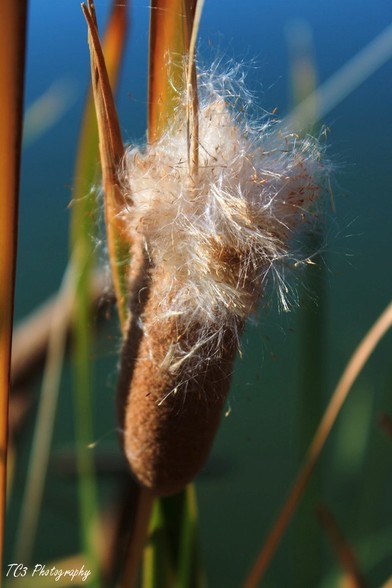
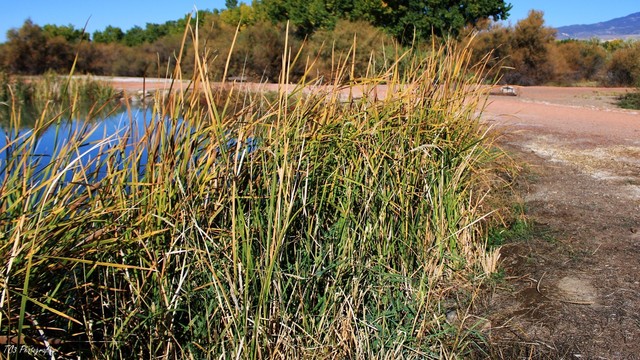
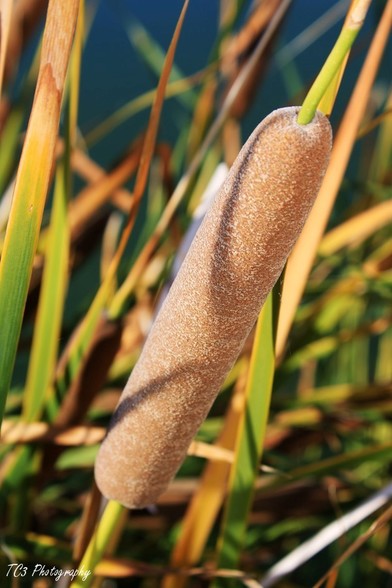
Common cattail (Typha latifolia)

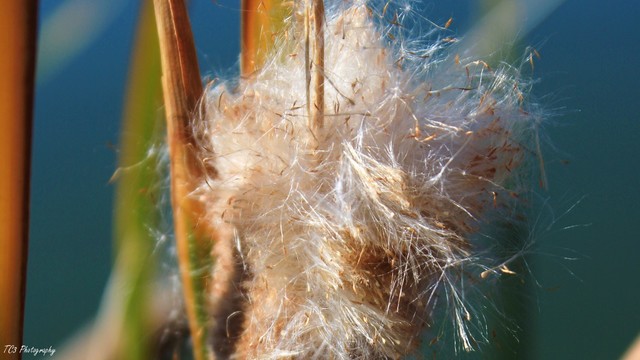
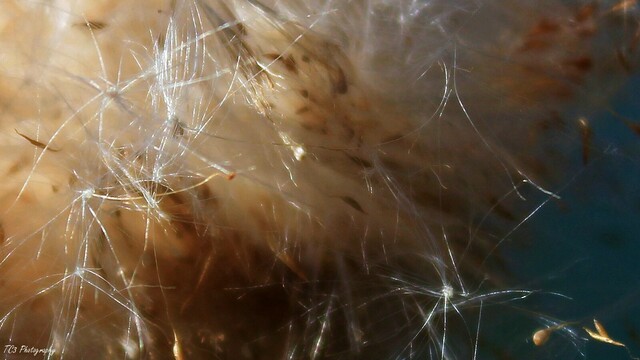
It always amazes me, how a plant I always seen as a weed, turns out to have a purpose. Just like the floss of the milkweed plant, the down (floss) of a cattail was also used as a substitute for kapok in life vests and aviation jackets during World War II.

Also known as bulrush, reedmace, punks, cumbungi (Australia) and raupo (New Zealand), most parts of this plant are edible to humans. It is one of the plants 1/4
that are championed by survival experts because various parts can be eaten throughout the year.

The rhizomes are nutritious with protein content comparable to that of maize or rice. They can be processed into flour, and are most often harvested from late autumn to early spring. Evidence suggests they were already eaten in Europe 30,000 years ago.

Baby shoots emerging from the rhizomes (which are sometimes subterranean) can be picked and eaten raw. Also, underground is 2/4

a carbohydrate lump which can be peeled and eaten raw or cooked like a potato.

The rind of young stems can be peeled off, and the tender white heart inside can be eaten raw or boiled and eaten like asparagus. Before the plant flowers, the tender inside of the shoots can be squeezed out and eaten raw or cooked.

In early summer the sheath can be removed from the developing green flower spike, which can then be boiled and eaten like corn on the cob. In mid-summer when the male flowers 3/4

are mature, the pollen can be collected and used as a flour supplement or thickener.

The down (floss) of a cattail is also used as thermal insulation in buildings as an organic alternative to conventional insulating materials such as glass wool or stone wool. 4/4