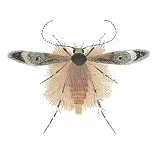
I've now completed sorting and imaging the last of 107 weekly samples from two years of #Malaise trapping in my garden in Aranda, ACT (from 21 October 2020 to 28 October 2022) - https://stangeia.hobern.net/araba-bioscan-weekly-samples/.

The first year resulted in 8838 specimens processed for DNA barcodes: https://www.boldsystems.org/index.php/Public_SearchTerms?searchMenu=records&query=GMAEA

Over the two years, I imaged 2416 specimens in much higher resolution: https://inaturalist.ala.org.au/observations?place_id=any&q=ArabaBioscan&user_id=dhobern&verifiable=any

Running a Malaise trap is an incredible way to see just how much #biodiversity we normally miss.

Araba Bioscan Weekly Samples

Images are all available at full resolution under CC BY licenses at https://flickr.com/photos/dhobern/

#iNaturalist records use the same images.

Donald Hobern

Explore Donald Hobern’s 36,541 photos on Flickr!

Flickr
@dhobern Crumbs. That is enormously impressive!

@dhobern thank you so much for your hard work! Thanks to you we now have our *very first* images for the following genuses on @wikidata (so far!)

Primeuchroeus (cuckoo wasp)
https://www.wikidata.org/wiki/Q21227409

Habronyx (parasitic wasp)
https://www.wikidata.org/wiki/Q14517093

Leptobatopsis (parasitic wasp)
https://www.wikidata.org/wiki/Q14531295

And more coming I'm sure, I'm still working on it :).

Primeuchroeus

genus of cuckoo wasp

@mvolz @wikidata Thank *you* for doing this. It is amazing how many species and genera are only illustrated in older line drawings.

I sometimes imagine what entomologists in previous generations could have done if they had had access to good digital cameras.

@dhobern 😮 That is so much work.