For some reason, today I’m finding myself making a thread about plastic boxes. I actually had it drafted for one or two years and never published it, but some exciting new drama in this captivating saga made me complete it today 🙃
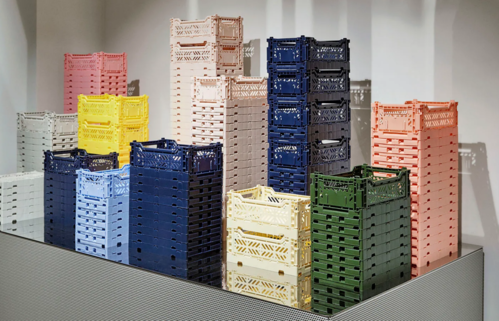
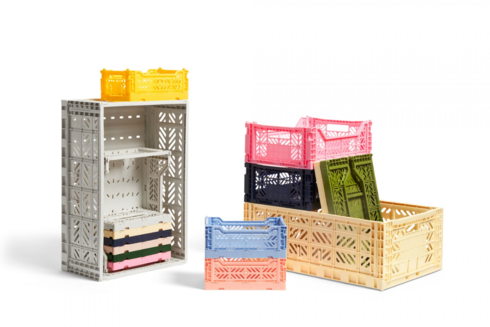
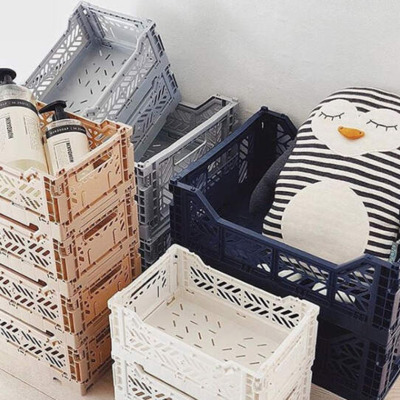
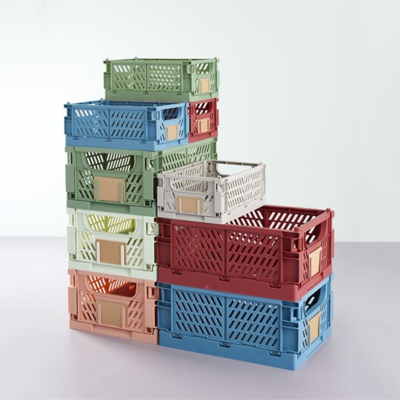
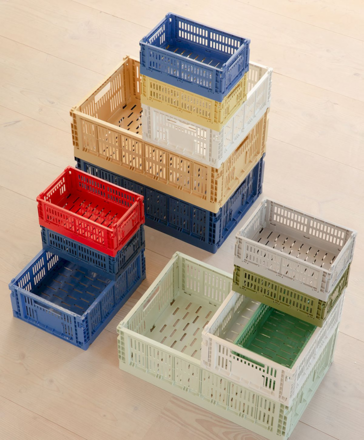
Several years ago, in the shop of the contemporary art museum Arken, among all the art and #design objects, we found some plastic crates that were quite nice. They were foldable, could be piled up, and there were a lot of colours and a few different sizes that could nest inside each other. A little expensive, but practical. We got a couple for storage around the house.
We realised afterwards that these boxes were available in many other posh design shops across the city. And they were all sold as a product from HAY, a well-known design brand around here.
What HAY did was to import the industrial crates and sell them for a different usage than what they were originally intended. At a much higher price as well, one can imagine.
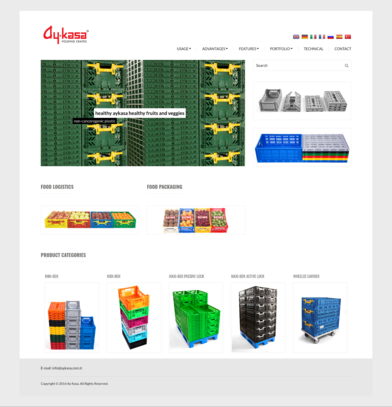
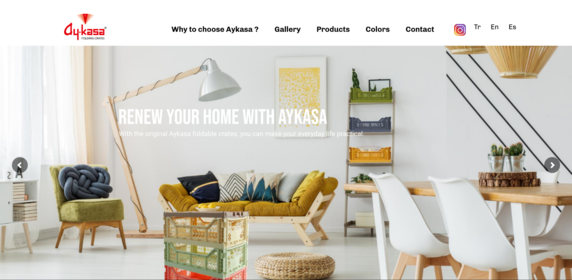
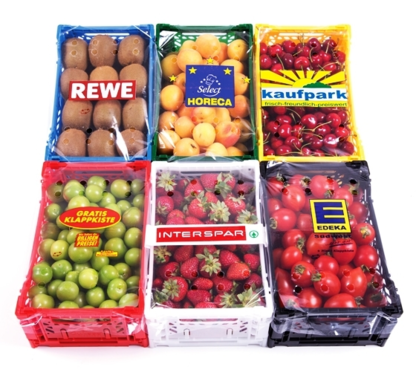
It seems that the crate design might have evolved slightly (we got some more along the years, they *are* practical). Originally showing the Aykasa logo, there are some that only show the model name, some nothing at all, but they are all made in Turkey.
As years passed, the crates made their appearances into more and more shops, less and less fancy ones. Toy shops are selling them as toy storage for kids, decoration stores as a practical home item, art and office supply shops as boxes for supplies. But always sold under the HAY brand. They became commonplace in many stores and I imagine a familiar sight in Danish homes.
Other Danish stores started to make their own versions. The COOP supermarkets are selling their own. The JYSK furniture store are selling their own. They are all pretty much the same, but are distinguishable by the shape of their cut-outs and how the plastic material feel.
Last chapter of the saga. Visiting the HAY main store in Copenhagen earlier this week, the Aykasa crates were not there. Instead, there was a new model, as similar to the original as any of the other off-brands, with the letters H, A, Y molded into the plastic. Made in China.
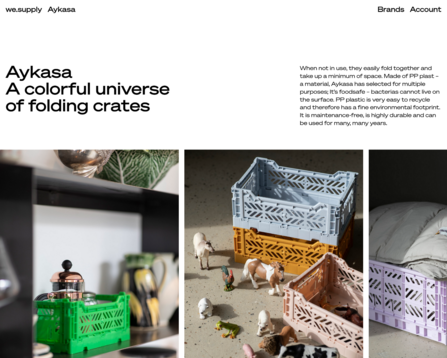
In the meantime, it seems that another Danish company, WeSupply, became the official distributor for the Aykasa crates: https://we.supply/brand/aykasa/
@nclm I loved this thread! I have been thinking about the history behind these types of crates too! I found out they are very popular in Japan as well and there are toy companies that sell mini versions that are themed in million different ways.
I love this thread too. Reminds me of an exhibition of the “monobloc” (the cheap garden plastic chairs). And it started “in the shop of the contemporary art museum Arken” and now somehow they could make an exhibition around this thread :)
@nclm Hay was purchased a few years back by Herman Miller (now Miller Knoll). I would think it’s safe to assume they got a cash infusion which allowed them to make the expensive tooling and make their own version of a best selling product. Hay used to have a lot of 3rd party products years ago (when I was in CPH) but in the US all we wee are their house products.
 Carol 🪩
 nicolas ⁂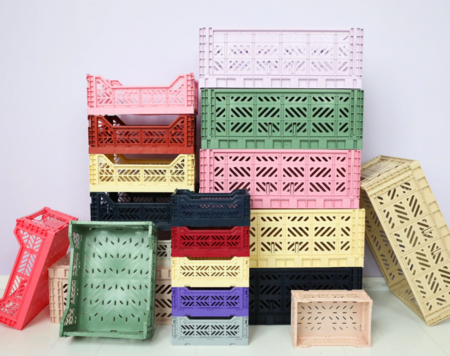
 wakest likes your bugs ⁂
 Sebastian Lasse
 Børge
Børge Not a Spring Onion
 Craighton