"Motorized vehicles create remoteness which they alone can shrink. They create distances for all, and shrink them for only a few."
โ€”Ivan Illich

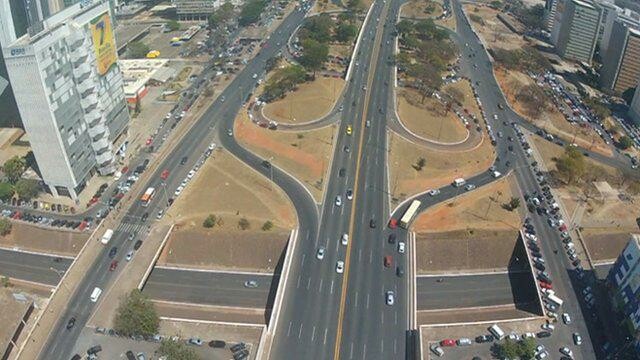
The entire global landscape has been alteredโ€”paved, filled with parking and freewaysโ€”to accommodate the needs of 1.3 billion cars (rather than 8 billion humans).

This makes life very convenient for privileged minority with access to cars...and hell for everyone else.
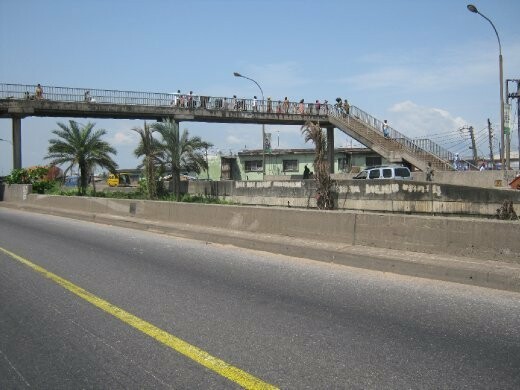
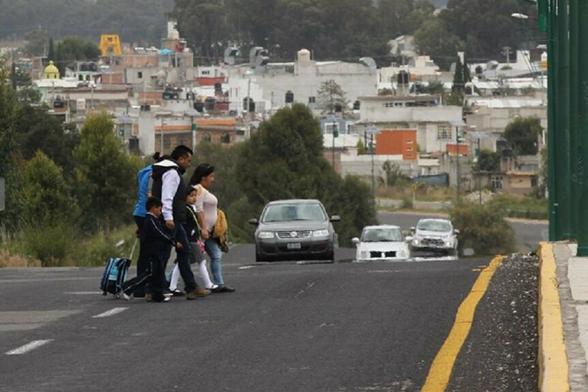
The neatest trick motordom pulled off was convincing peopleโ€”mostly in developed economiesโ€”that widespread car ownership was a triumph for the "working people" of the world.
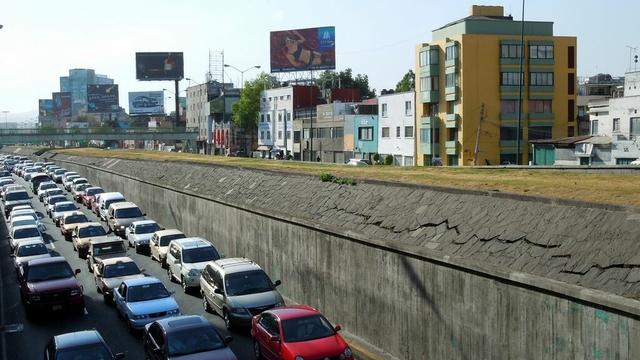
"The road has been degraded from a commons to a simple resource for the circulation of vehicles."
-Ivan Illich on Mexico City. #CDMX
@straphanger Especially in small U.S. cities, the ratio of parking to residential density is sometimes grotesque. Des Moines (215,000 residents) has 30 parking spaces per acre (4043 square meters), which is 20 times the residential density (1 household per acre). In other words, there are 20 parking spaces for every household. (Source: Eric Scharnhorst, Research Institute for Housing America.) https://www.heise.de/tp/features/Parkplaetze-Vergeudung-von-urbanem-Raum-4122552.html
Parkplรคtze: Vergeudung von urbanem Raum

Eine bahnbrechende Untersuchung von 5 Stรคdten in den USA stellt eine luxuriรถse Masse von Parkplรคtzen fest, die viele Ressourcen verschlingen

heise online
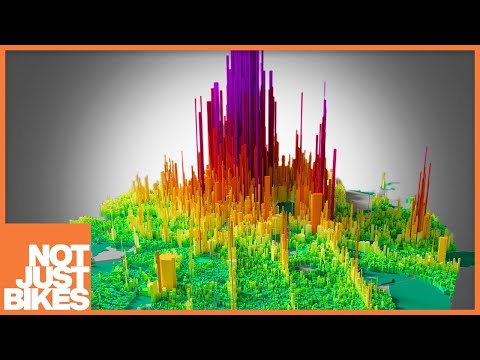
@ZeichenTaten @straphanger Furthermore, this type of car-centric urban planning is usually subsidized by walkable neighborhoods with less motorized traffic. https://www.youtube.com/watch?v=7Nw6qyyrTeI
Suburbia is Subsidized: Here's the Math [ST07]

YouTube