24 November 1941: Nazis open a ghetto in Theresienstadt/TerezĂ­n, #Czechia. Initially for the Jews of Bohemia and Moravia, it became a holding camp for Jews from other regions, as well, pending deportation to labor and killing sites

Although many notables were sent there and the Nazis used the camp for propaganda purposes, it was a lethal place: of the 155,000 internees, 35,000 died there, and 87,000 were deported, only 3800 of whom survived
đź§µ 1/n

https://www.pamatnik-terezin.cz/terezin-ghetto

#Czech #Holocaust

Terezin ghetto - TerezĂ­n Memorial

On #Thanksgiving, I am thankful that I am alive & well. One way to acknowledge that is to try to preserve the memories of those who were not as fortunate.

Although it is a commonplace that being able to put names to statistics helps people to understand the impact of the #Holocaust, it is not the less true for all that.

I mentioned the establishment of the TerezĂ­n/Theresienstadt ghetto OTD 1941. Modern digital databases allow us to learn a good deal about the otherwise faceless dead.

đź§µ 2/n

Giving names to the statistics of the #holocaust:

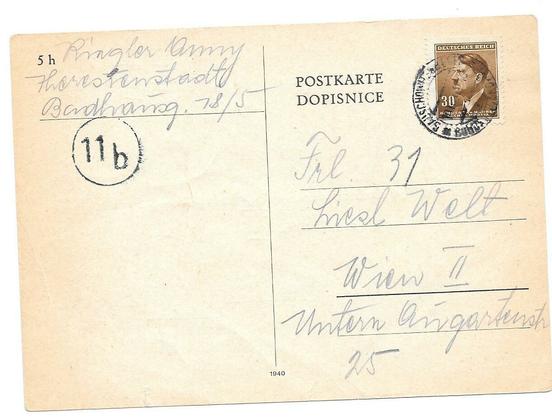
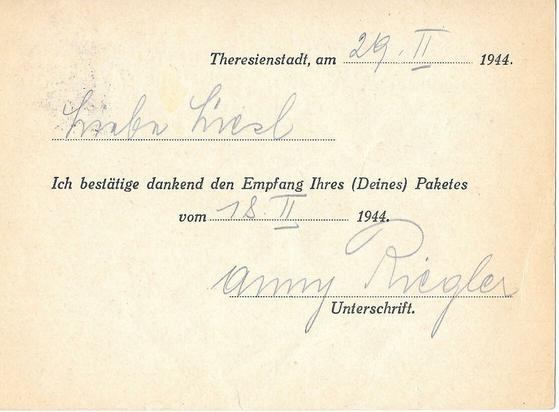
Here's one example from my collection, a postcard from one Anny Riegler to an unmarried friend in Vienna, Liesl Welt, from 29 February 1944, thanking her via a form postcard for a package received on 18 February.

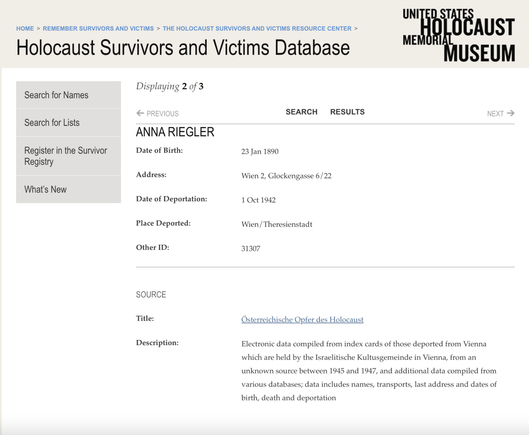
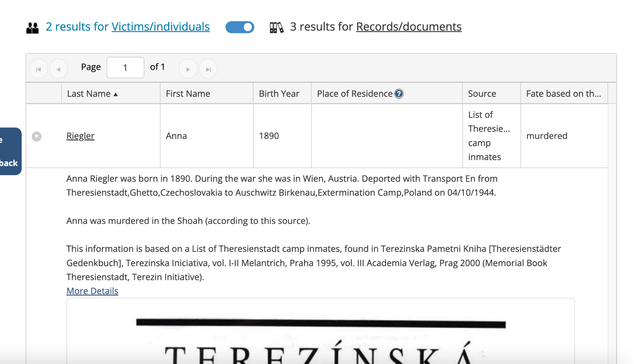
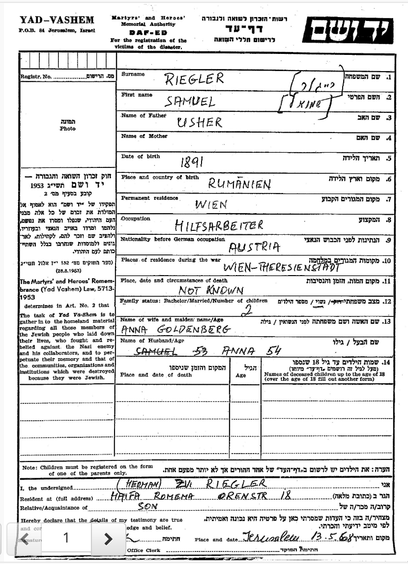
Anna (née Goldenberg, b. 1890) and her husband Samuel (b. 1891) emigrated from Romania to Austria. Nazi (and other) stereotypes notwithstanding, they were not rich. He was an unskilled laborer. She was a housekeeper.

đź§µ 3/n

As noted, Anna and Samuel Riegler belonged to the common people rather than the elite.

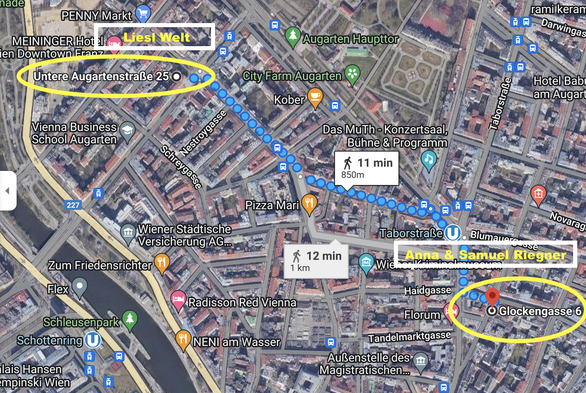
We know how and where they lived before the war: #immigrant members of the #WorkingClass, they resided in the Glockengasse, in the heavily Jewish Leopoldstadt district of Vienna, a short walk from Anna's friend Liesl.

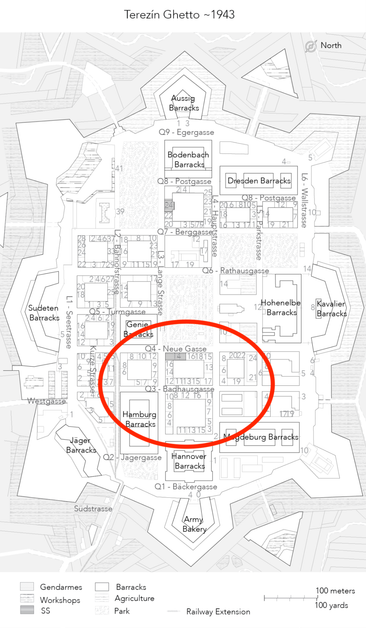
We even know where they lived in the Theresienstadt/TerezĂ­n ghetto: in the Badhausgasse, in the southern third of the overcrowded "Little Fortress."

đź§µ 4/n

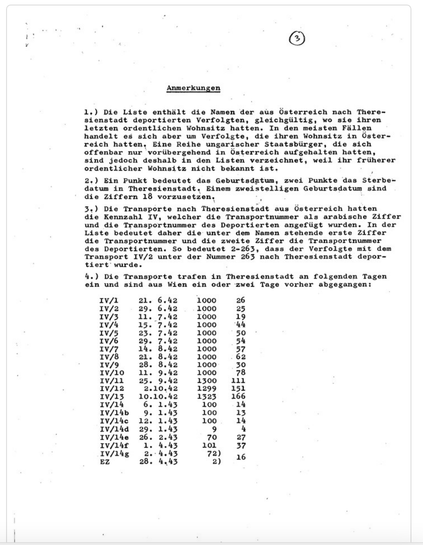
We also know how Anna and Samuel Riegler died. They were among 1299 deported from Vienna to Theresienstadt/TerezĂ­n on 1 October 1942, of whom 151 survived the war.

In autumn 1944, the Nazis were rushing to clear out the camp before the Soviets arrived. The Rieglers were sent to Auschwitz-Birkenau on Transport "En" on 4 October.

The diary entries by 13-year-old Pavel Weiner convey the atmosphere of anxiety in TerezĂ­n at the time

https://newsletter.pamatnik-terezin.cz/autumn-transports-of-1944-from-the-ghetto-to-the-east-reflected-in-prisoners-recollections/?lang=en

#Holocaust #Austria #Czech #KZ

đź§µ 5/n

Autumn transports of 1944 from the ghetto to the East reflected in prisoners’ recollections | Newsletter

The data in this article is based on the Terezín Memorial Exhibition “Through a Slip of Paper a Person’s Destiny is Decided[…]”, which was created on the occasion of the 70th anniversary of the last wave of transports from the Terezín ghetto to Auschwitz-Birkenau in autumn 1944. The Terezín ghetto in summer 1944 The events […]