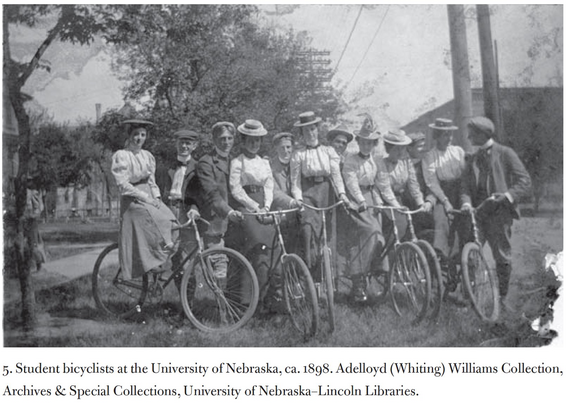
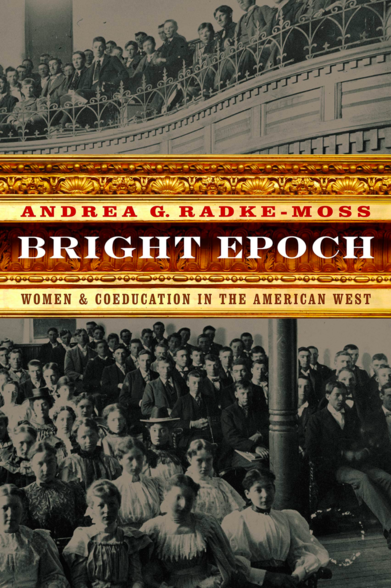
Co-educational schools in 19th century were overwhelmingly located in the American West.

This saved costs & also reflected a Frontier mindset, where women were not presumed incapable of competing with men.

Founders emphasised women’s intellectual equality.
@histodons

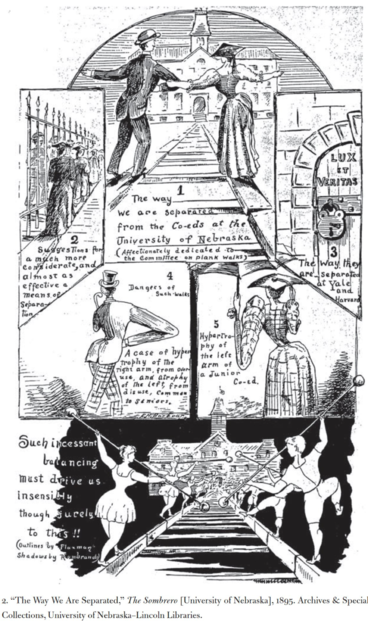
To prevent mischief between unmarried men and women, co-educational universities (like Nebraska) still imposed physical separation.

But this sharply contrasted with elitist East-coast universities like Yale where women were locked out (until 1969)

@histodons

Co-educational literary societies in the 1870s-80s enabled men and women to discuss and share ideas.

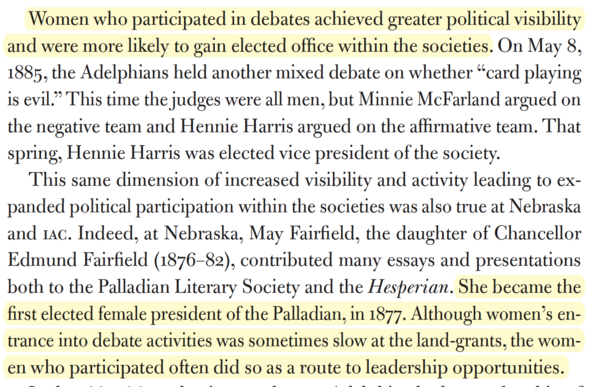
Male societies usually wanted to refuse women’s entrance, but those that opened their doors watched women publicly demonstrate their intelligence

Female debaters became leaders

@histodons

I think this is a very interesting example of how culture can shape institutions, leading to further cultural evolution.

So the tough Frontier life convinced people that women were not so delicate and eroded separate spheres, which then shaped educational institutions.

@histodons

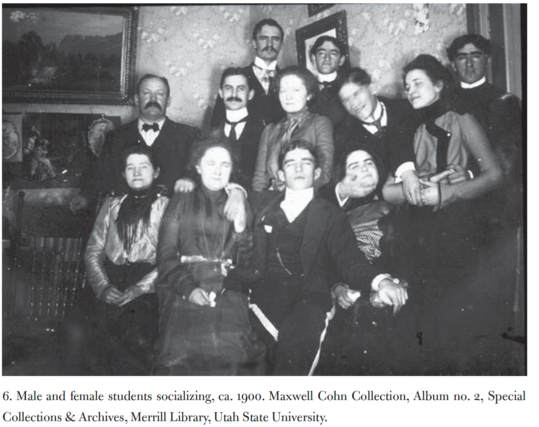
Co-educational schooling may have fostered a more liberal public sphere, where men and women could freely mix and mingle, without so many rules or restrictions.

Of course, as long as labour demand was low, the vast majority of women still idealised marriage and motherhood.

@histodons

@draliceevans @histodons Interesting - now women almost always ride on the back of bikes. Never thought about that. https://flickr.com/photos/philipcohen/48240988507/in/album-72157634133940592/
new hampshire bikers

Flickr
@philipncohen @histodons oh yes, a man is always the one in charge!