 Sibin
SibinI've been using #AnnotatedEquations in my recent papers. I think it really adds to the readability and understanding of the math.
Here are some examples. It uses #tikz in #latex.
Let me know if you like it. Happy for any feedback.
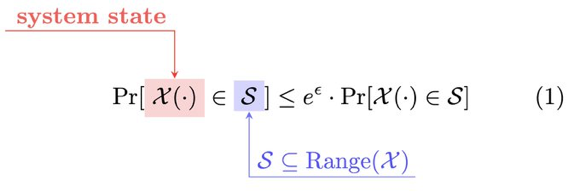
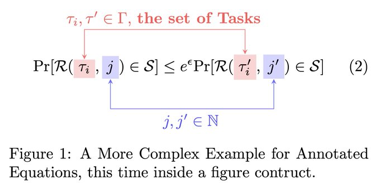
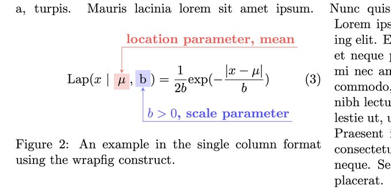
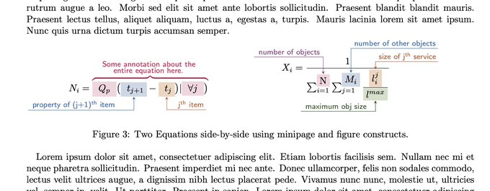
I've been using #AnnotatedEquations in my recent papers. I think it really adds to the readability and understanding of the math.
Here are some examples. It uses #tikz in #latex.
Let me know if you like it. Happy for any feedback.
There is a latex package that makes it easier to use as well and also visually appealing since it normalizes the heights of the various boxes.
Check it out! Thanks to Twitter user @\scien_ti_st for doing all the hard work to convert my ideas to the latex package.
See the difference!
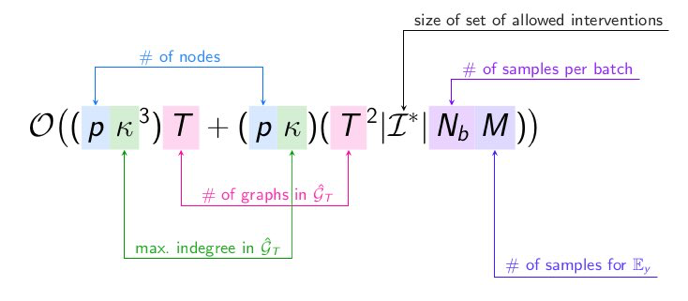
Link to original GitHub Repo: https://github.com/synercys/annotated_latex_equations
Link to latex CTAN package: https://ctan.org/pkg/annotate-equations

Examples of how to create colorful, annotated equations in Latex using Tikz. - GitHub - synercys/annotated_latex_equations: Examples of how to create colorful, annotated equations in Latex using Tikz.
Happy for any feedback and please spread the word. I'm hoping more papers and communities will be able to use something like this -- to improve the readability and accessibility of mathematical formulae!
Many people also mentioned that they found it useful for (beamer) presentations.
The idea is nice.
Have those got safely through the proofreading stage to "versions of record"?
Proofreaders often make some quite "creative improvements" that can be hard to spot, so official versions often have proofreaders' errors that require the reader to either use common sense to guess what was intended, or read the #ArXiv version to find out what was intended.
 Boud
Boud