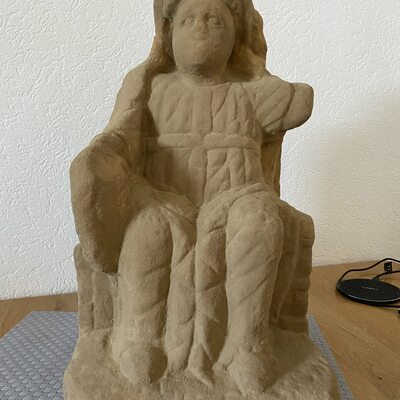
 Cassana
OK #Mastodon. I've seen several toots on #accessibility for #screenreader users, however, I've not seen one from a screenreader user (as far as I know). I've used ZoomText, Outspoken, JAWS (AKA JFW), Supernova, NVDA (Windows), and VoiceOver (both on Macs and iPhone). I don't have experience with Windows Narrator or TalkBack. I would like to rectify and clarify a few small things.
First off, any awareness of accessibility issues, and endeavours to make things more accessible is great. Keep going!
But…
Blind/low-vision people have been using the internet as long as everyone else. We had to become used to the way people share things, and find workarounds or tell developers what we needed; this latter one has been the main drive to get us here and now. Over the past decade, screen readers have improved dramatically, including more tools, languages, and customisability. However, the basics were already firmly in place around 2000. Sadly, screen readers cost a lot of money at that time. Now, many are free; truly the biggest triumph for accessibility IMHO.
So, what you can do to help screen readers help their users is three simple things.
1. Write well: use punctuation, and avoid things like random capitalisation or * halfway through words.
2. Image description: screen readers with image recognition built-in will only provide a very short description, like: a plant, a painting, a person wearing a hat, etc. It can also deal with text included in the image, as long as the text isn't too creatively presented. So, by all means, go absolutely nuts with detail.
3. Hashtags: this is the most commonly boosted topic I've seen here, so #ThisIsWhatAnAccessibleHashtagLooksLike. The capitalisation ensures it's read correctly, and for some long hashtags without caps, I've known screen readers to give up and just start spelling the whole damn thing out, which is slow and painful.
That's really all. Thanks for reading! 😘
First off, any awareness of accessibility issues, and endeavours to make things more accessible is great. Keep going!
But…
Blind/low-vision people have been using the internet as long as everyone else. We had to become used to the way people share things, and find workarounds or tell developers what we needed; this latter one has been the main drive to get us here and now. Over the past decade, screen readers have improved dramatically, including more tools, languages, and customisability. However, the basics were already firmly in place around 2000. Sadly, screen readers cost a lot of money at that time. Now, many are free; truly the biggest triumph for accessibility IMHO.
So, what you can do to help screen readers help their users is three simple things.
1. Write well: use punctuation, and avoid things like random capitalisation or * halfway through words.
2. Image description: screen readers with image recognition built-in will only provide a very short description, like: a plant, a painting, a person wearing a hat, etc. It can also deal with text included in the image, as long as the text isn't too creatively presented. So, by all means, go absolutely nuts with detail.
3. Hashtags: this is the most commonly boosted topic I've seen here, so #ThisIsWhatAnAccessibleHashtagLooksLike. The capitalisation ensures it's read correctly, and for some long hashtags without caps, I've known screen readers to give up and just start spelling the whole damn thing out, which is slow and painful.
That's really all. Thanks for reading! 😘
 azteclady has moved