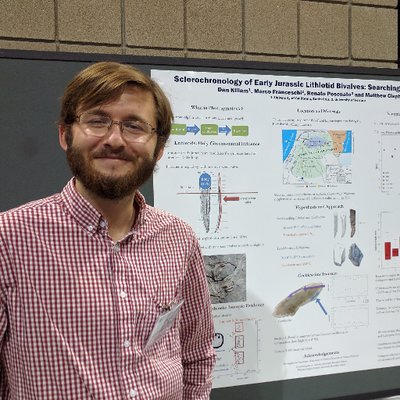
 Dr. Dan Killam
We got #clamfacts over here! 🔔
Come on over to get yer #clamfacts 🔔
Facts about ruthless little clams, peaceful giant clams and all those in-between kinda clams. That's what we got, no more no less.
We got #clamfacts over here! 🔔
Come on over to get yer #clamfacts 🔔
Facts about ruthless little clams, peaceful giant clams and all those in-between kinda clams. That's what we got, no more no less.
@kdnyhan I have heard surf clams (Spisula solidissima) referred to as hen clams!
https://www.fisheries.noaa.gov/species/atlantic-surfclam
Those the ones you talking about? They live shallowly buried in the sediment lot of their lives, but may emerge to relocate according to the tides, predation and other stressors. I am not aware of whether surf clams are considered as vulnerable to green crab predation as other species like soft-shell clams (Mya arenaria). #clamfacts
 kdnyhan