 valentinzi
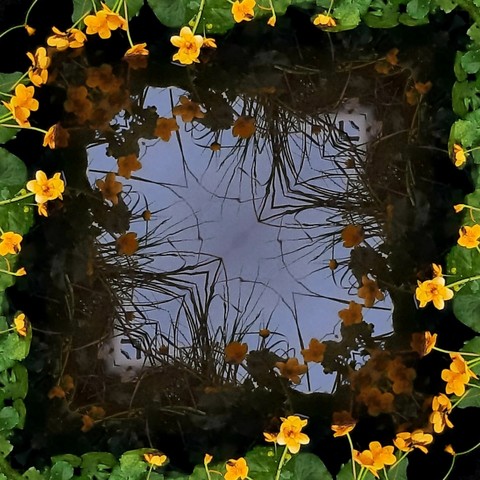
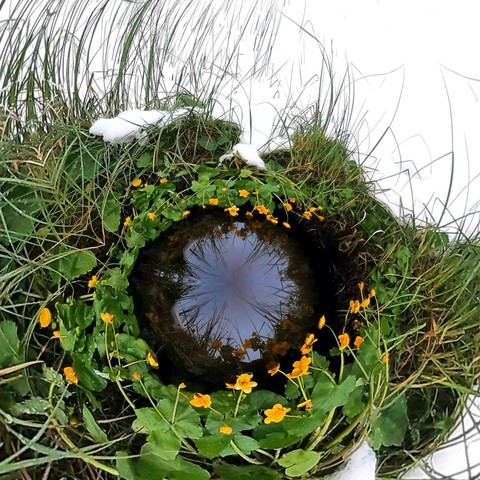
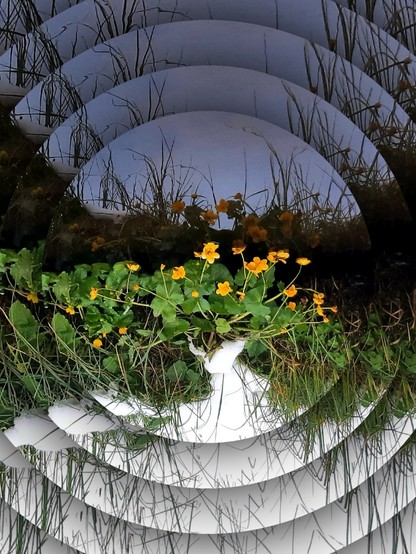
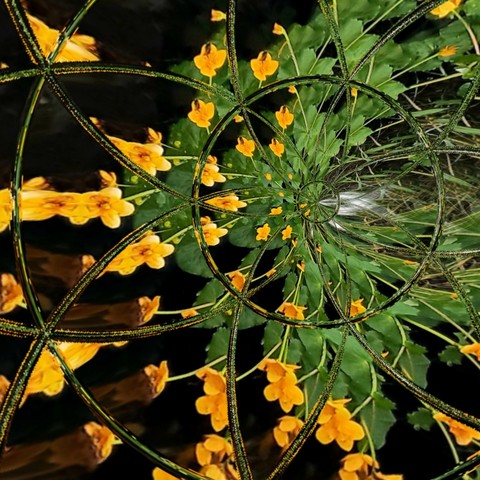
Globeflower (Trollius europaeus, Trollblume) is a perennial wildflower native to moist meadows, mountain slopes, and stream banks across Europe. It grows 30–60 cm tall, with deeply lobed leaves and bright spherical yellow flowers that bloom in late spring to early summer.
Ecologically, it thrives in nutrient-rich, damp soils and supports a specialized pollination system. Its flowers are mainly pollinated by seed-eating flies, which enter the globe-shaped blossoms to lay eggs. The larvae consume part of the developing seeds, but enough survive for reproduction, making this a unique plant-insect interaction. Globeflower stands are also indicators of healthy wet grasslands and alpine ecosystems.
Medicinally, the plant was once used in folk remedies for treating skin conditions and as a purgative, but it contains toxic compounds and is considered unsafe for internal use today. Due to habitat loss, it is locally protected in several European regions.
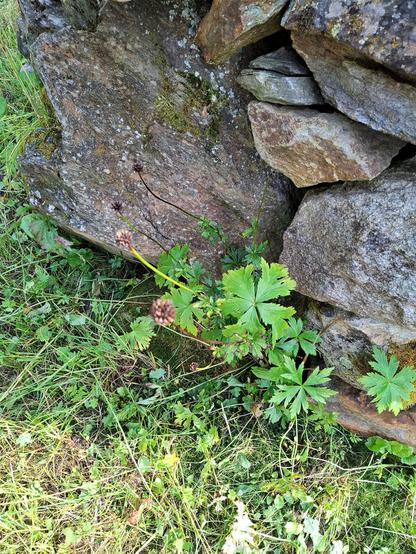
This exemplar is growing near our stone pile in our meadow.
#meadow #stone #flower #globeflower #trollius #trolliuseuropaeus #trollblume
Ecologically, it thrives in nutrient-rich, damp soils and supports a specialized pollination system. Its flowers are mainly pollinated by seed-eating flies, which enter the globe-shaped blossoms to lay eggs. The larvae consume part of the developing seeds, but enough survive for reproduction, making this a unique plant-insect interaction. Globeflower stands are also indicators of healthy wet grasslands and alpine ecosystems.
Medicinally, the plant was once used in folk remedies for treating skin conditions and as a purgative, but it contains toxic compounds and is considered unsafe for internal use today. Due to habitat loss, it is locally protected in several European regions.
This exemplar is growing near our stone pile in our meadow.
#meadow #stone #flower #globeflower #trollius #trolliuseuropaeus #trollblume
 palindromi

 squarefaelltein