 ray
rayNo matter where you live, when you live, or what means you have to build, no one builds exterior doors and windows below grade.
What they might do, however, is retrofit and repurpose existing buildings and rewrite the history of said buildings.
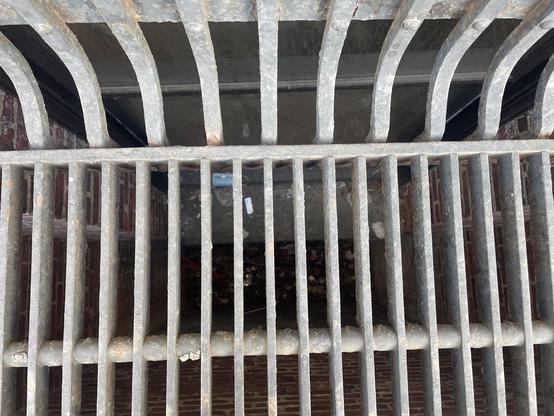
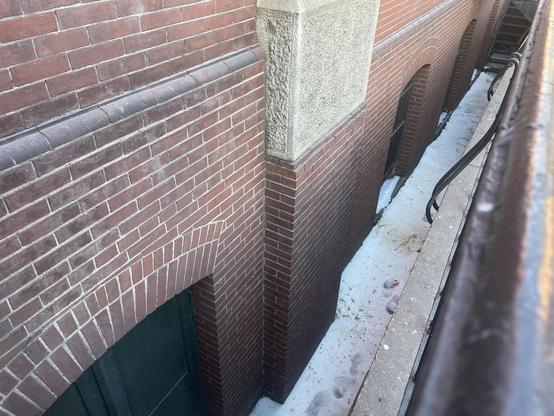
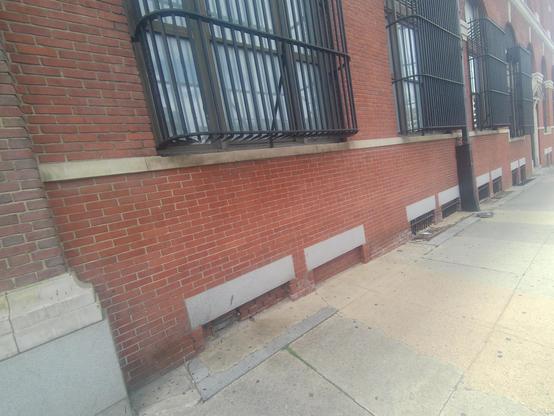
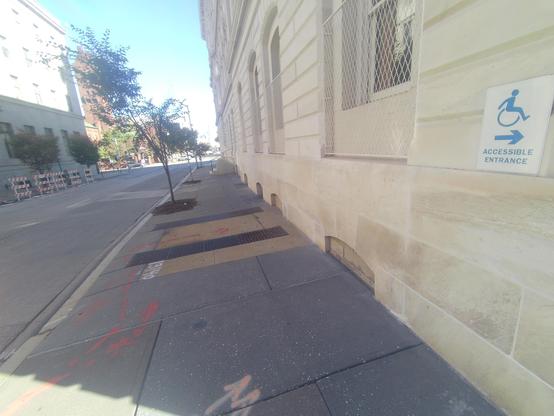
No matter where you live, when you live, or what means you have to build, no one builds exterior doors and windows below grade.
What they might do, however, is retrofit and repurpose existing buildings and rewrite the history of said buildings.
THREE CASTAWAYS LIVED WITH ABORIGINALS IN BRISBANE
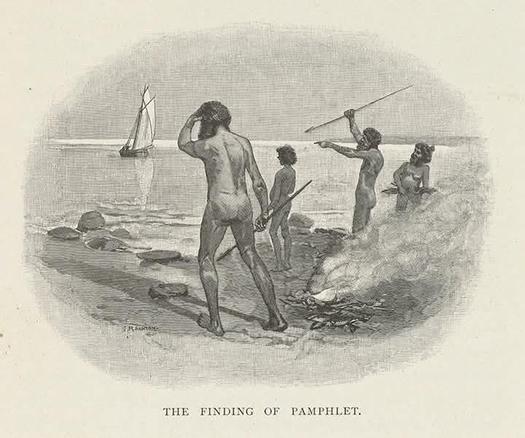
In March 1823 British convicts Thomas Pamphlett, Richard Parsons, John Finnegan and John Thompson, set out in an open boat from Sydney with their destination 30 miles south. However, a violent gale forced them to lower all sails and keep the boat before the sea, and they became hopelessly lost with Thompson eventually dying of severe dehydration. Two weeks had passed when the boat grounded on the sandy beach in Moreton Bay.
These men were the first White people to reside with local Aborigines in 1823. The castaways Finnegan, Parsons and Pamphlett witnessed a settled and continuous presence of huts and villages on Moreton and Stradbroke Islands with the First Nations people travelling in boats between the islands.
The castaways were treated with kindness, fed, watered and given shelter, for a total of five months in the same location at Point Skirmish (now named South Point) on Bribie Island (Steele 1972:77).
The settled nature of the occupation of the land, and the rich food resources allowed a sedentary lifestyle. Fishing was an important feature of food gathering and the nets used were remarked upon by the castaways, and later by John Oxley explorer, as being particularly fine and the fishing techniques to be so skilful that there was an over-abundance of fish.
Even as Oxley’s exploratory party came down the Brisbane River in 1824, he noted villages of large huts and well-used tracks and paths leading into the bush (Steele 1972:94).
Frederick Strange, a European naturalist wrote in 1848 (in Evans 1997:11):"Unlike most of the natives of Australia as yet discovered, they have fixed habitations,dwelling in little villages of six or seven huts in a cluster. Some of them are of great length, extending upwards of eighty feet, and covering a considerable space of ground ... One of them was in the form of a passage, with two apartments at the end. The arches were beautifully turned, and executed with a degree of skill which would not have disgraced an [sic] European architect". (Strange, ‘Moreton Bay Courier’, 17 June 1848, quoted in Evans 1997)
REFERENCES:
Steele, J.G. 1972 The Explorers of the Moreton Bay District 1770-1830, University of Queensland Press, St Lucia, pp194-5.
Evans, R. 1992 “The mogwi take mi-an-jin: Race relations and the Moreton Bay penal settlement 1824-42” in Brisbane:The Aboriginal Presence 1824-60, Brisbane History Group Papers Number 11
'A story of shipwreck, survival and first contact' by Maritime archaeologist Graeme Henderson: https://bit.ly/32KH6Y1
IMAGE:
‘The Finding of Pamphlet’, Picturesque Atlas of Australasia, vol.II, 1886, (National Library of Australia. cat-vn1654251)
https://www.youtube.com/watch?v=DreN_bOHngc&list=WL&index=2
The Pokanoket, also known as Pauquunaukit, are a group with a rich history spanning thousands of years. They inhabited the land called Sowams, which included parts of present-day Rhode Island and southeastern Massachusetts, long before European contact.
@histodons #History #Pre1933 #PreColonization #Originee #Indigineous "Indigenous" #Truth

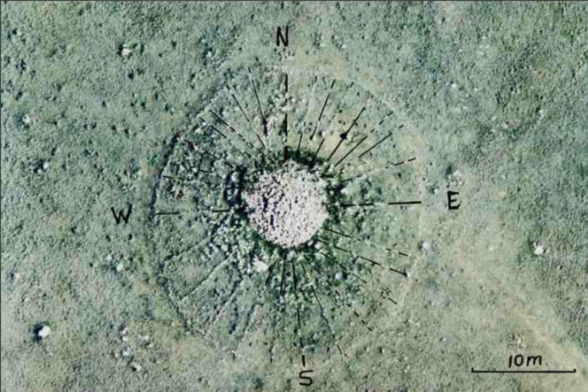
“Canada’s Stonehenge”.
This site is a protected Alberta Heritage Site and is of spiritual significant to our First Native Peoples.
ana!! dret ɬush t’əmanəwas yakwa! (Wow!! Really good spirits here!)
#medicinewheel #stars #indigenous #wow #firstpeople #compass #calendar #precolonial #precolonization #chinook #chinookjargon
 Jamez Barrett 🜃 ॐ Ⓐ
 IzzyB
IzzyB BC Métis Man ✅ 🙉🙈🙊⚖