Solved! What Is a #Cistern?

Learn more about how #cisterns collect water and ways the collected water can be used around the home and #garden.

By Deirdre Mundorf
Updated Nov 28, 2022 2:56 PM EST

Excerpt:

"Q: A house I’m considering buying has a cistern. I know cisterns are used for water collection, but I don’t fully understand the cistern definitions I’ve found online or what a cistern’s benefits are. What is a cistern?

A: Between worsening droughts, extreme temperatures, and high water bills in many places, homeowners are looking for alternative methods to save water and reduce their out-of-pocket costs. Enter cisterns, which allow individuals to collect rainwater for use around the home and garden. They may be a good option in rural areas, regions with frequent droughts or water usage restrictions, and homeowners looking to reduce their water bills and environmental impact.

[At the link] below are more detailed answers on what a cistern is, how the water from a cistern can be used, and some considerations to help you decide whether a home with a cistern is right for you.

A cistern is a reservoir for collecting rainwater for household or garden use.

What is a water cistern? Cisterns collect and store rainwater, allowing individuals to reuse the water for household, gardening, and other uses. How does a cistern work? While that can vary between one system and the next, the general idea is the same. When it rains, rainwater is directed through pipes to the cistern tank. Leaves, dirt, and other debris are stopped by mesh screens in the pipes, ensuring that the water that reaches the tank is as contaminant-free as possible.

Nearly all cistern tanks are installed underground. This is the ideal storage location because temperatures stay more consistent and the water and tank are protected against pests and animals."

Lear more:
https://www.bobvila.com/articles/what-is-a-cistern/

#SolarPunkSunday #AncientTechnology
#ModernAdaptations #WaterIsLife #RainwaterCollection #RainwaterCisterns
#BobVila

Solved! What Is a Cistern?

If you want a home with a water cistern or are thinking of having one installed, we'll explain what a cistern is and how they save on water usage.

Bob Vila

#Cistern #WaterSystems: How They Work and Why They’re Useful

By Robert Maxwell
Updated on Sep. 26, 2025

"Has your interest in alternative water systems made you ask, what is a cistern? Read on to learn about this ancient way to store and supply water.

The basic idea of a cistern water system, which collects and stores water in or near a home, goes back centuries. In some parts of #WesternAsia, archeologists discovered lime plaster cisterns in the floors of houses that were at least 5,000 years old. Ancient #Romans also used cisterns beneath their houses to catch, filter and store #rainwater.

A cistern is a closed tank, somewhat like a septic tank, but the similarities end there. Instead of sewage, it collects rainwater for household use or irrigation. A home with a well might have a large tank to store water to prevent the well pump from having to work all the time. In some cases, you could consider that tank a cistern, but according to longtime plumber Danny Pen, most cisterns are buried."

Read more:
https://www.familyhandyman.com/article/what-is-a-cistern-water-system/

#SolarPunkSunday #AncientTechnology #ModernAdaptations #Cistern #WaterIsLife #RainwaterCollection #RainwaterCisterns

Cistern Water Systems: How They Work and Why They’re Useful

Has your interest in alternative water systems made you ask, what is a cistern? Read on to learn about this ancient way to store and supply water.

Family Handyman

The Crane Estate in #IpswichMA, which is on a hill, used a cistern system to collect and store rainwater for the entire household and their gardens!

#ThisOldHouse - What Is a #Cistern?

A cistern is a water storage system used in homes and landscapes. Learn how they work and when you might need one.

updated 6/25/2025

"A cistern is an underground tank that captures and stores rainwater that you can use for irrigation, emergencies, or daily water needs. Cisterns are especially helpful in areas with unreliable or expensive municipal water systems. We’ll explore the different types of cisterns, describe the benefits each offers, and explain how cisterns differ from wells in the guide below.

Definition of a Cistern

A cistern is a watertight tank that collects and stores water for later use and is typically made of reinforced concrete, cinder block, precast concrete, fiberglass, and steel. Your home’s gutters and downspouts usually funnel rainwater into your cistern, and you can use that water as a supplemental supply, an emergency supply, or for irrigation. Cisterns can also hold groundwater, household greywater, spring water, well water, or treated city water.

Professionals can install cisterns above ground, underground, or into building structures. Burying cisterns underground might be the best option, though, as underground cisterns keep water cool during warm months and prevent it from freezing during colder weather.

Cisterns intended for domestic use typically hold at least 5,000 gallons, but sizes and setups vary according to homeowners’ needs."

Learn more:
https://www.thisoldhouse.com/plumbing/what-is-a-cistern

#SolarPunkSunday #AncientTechnology #ModernAdaptations #WaterIsLife #RainwaterCollection #RainwaterCisterns

What Is a Cistern?

A cistern collects and stores rainwater for irrigation, drinking, or other uses. Learn more about what a cistern is and how it could benefit you.

This Old House

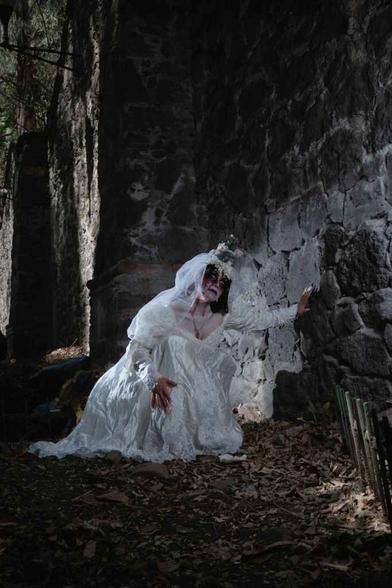
The Legend of La Llorona Explained: A Haunting Tale of Grief and Madness

Few tales are as haunting and deeply rooted in Latine culture as the legend of La Llorona, or “The Weeping Woman.” Passed down through generations, this tragic ghost story tells of a woman who, in a fit of grief and madness, drowns her children and is doomed to wander the earth, wailing for her lost offspring. Her mournful cries, “¡Ay, mis hijos!” have sent chills down the spines of children and adults alike for centuries. But beyond its role as a spine-tingling cautionary tale, La Llorona has found a new life in modern storytelling, becoming a powerful symbol of grief, regret, and redemption.

The Cultural Significance of La Llorona

La Llorona is more than just a ghost story; she embodies universal themes of love, loss, and the consequences of unchecked emotions. For many Latine families, her story serves as a moral lesson, warning against actions driven by jealousy, rage, or despair. But her cultural significance goes deeper, reflecting societal issues like maternal sacrifice, postpartum depression, gender roles, and the pressure on women to embody perfection as caregivers.

Modern Adaptations and Interpretations

In recent years, La Llorona has transcended oral traditions, making her way into books, films, and TV shows. Each adaptation brings a fresh perspective, weaving her legend into contemporary narratives:

  • Film: The Curse of La Llorona (2019) reimagines her tale as a supernatural horror movie, blending traditional elements with modern scares.
  • Literature: Authors like Isabel Cñas (The Hacienda) and Anna-Marie McLemore (Blanca & Roja), V. Castro (The Haunting of Alejandra) incorporate echoes of La Llorona’s themes into their works, exploring grief and the supernatural with a Latine lens.
  • Music: Musicians have also drawn inspiration from La Llorona, using her tale to express heartbreak and longing in songs that resonate across genres.

These adaptations highlight the flexibility of La Llorona’s story, allowing it to remain relevant while preserving its roots.

La Llorona as a Personal Muse

As a writer, I’ve often found inspiration in cultural folklore like La Llorona. Her story serves as a reminder of the power of emotions and the ways in which our actions ripple through time. In my own work, I’ve drawn on similar themes of grief and redemption, blending them with elements of magical realism to explore the complexities of the human spirit.

The legend of La Llorona is a testament to the resilience of Latine culture and its ability to adapt and evolve while holding onto its essence. She is a symbol of the stories we carry in our blood, the lessons we pass down, and the ways in which we confront our own ghosts—both literal and metaphorical.

Why La Llorona Still Matters

La Llorona endures because her story is universal. Whether seen as a ghostly figure haunting riverbanks or a metaphor for the weight of regret, she speaks to the struggles of humanity. Her legend invites us to reflect on our actions, embrace our grief, and seek redemption in our own lives.

As we bring her tale into modern storytelling, we honor the past while opening the door to new interpretations and voices. La Llorona isn’t just a character in folklore; she’s a mirror to our own fears and hopes, a reminder of the power of storytelling to transcend time and culture.

#culturalLegacy #culturalMythology #folkloreInspiredStories #griefAndRedemption #LaLlorona #LatineFolklore #LatineHorror #magicalRealism #modernAdaptations #storytellingTraditions