#Mixotrophs: Neither Plants nor Animals, These Ocean Organisms Protect Their Ecosystems against Heat Waves https://www.scientificamerican.com/article/neither-plants-nor-animals-these-ocean-organisms-protect-their-ecosystems/

Widespread #ciliate and #dinoflagellate #mixotrophy may contribute to ecosystem resilience in a #subarctic sea https://www.int-res.com/abstracts/ame/v90/p1-21/ by Suzanne Strom et al.

"these adaptable mixotrophs can be vital to the entire Gulf of Alaska ecosystem in #HeatWaves because they help to mediate a major consequence of marine #warming: increased stratification"
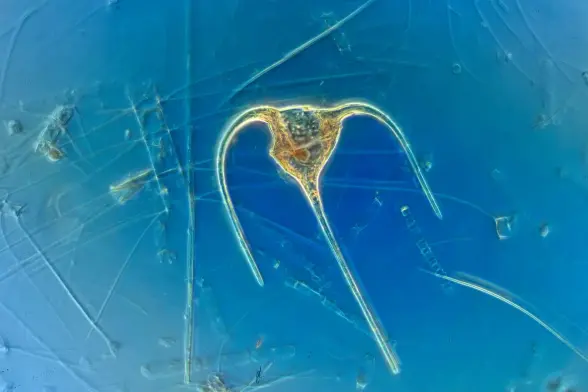
Neither Plants nor Animals, These Ocean Organisms Protect Their Ecosystems against Heat Waves

Mixotrophs, which have characteristics of both animals and plants, could help blunt the effects of marine heat waves on ocean ecosystems

Scientific American

Sunday #Plankton #Factoid 🦠🦐

Mixotrophs are both #phytoplankton and #zooplankton. They use autotrophic (photosynthesis) and heterotrophic (nom nom) pathways for energy. A hot topic right now for carbon cycling, though hardly new (it's key to Azam's Microbial Loop) with many protists (flagellates but also ciliates with symbiotic algae) using this strategy, but we find it more common than thought with even some picocyanobacteria showing #mixotrophy.

A nice read πŸ“– here: https://academic.oup.com/plankt/article/41/4/375/5531601

Mixotrophic protists and a new paradigm for marine ecology: where does plankton research go now?

Abstract. Many protist plankton are mixotrophs, combining phototrophy and phagotrophy. Their role in freshwater and marine ecology has emerged as a major develo

OUP Academic