 Paolo Caressa
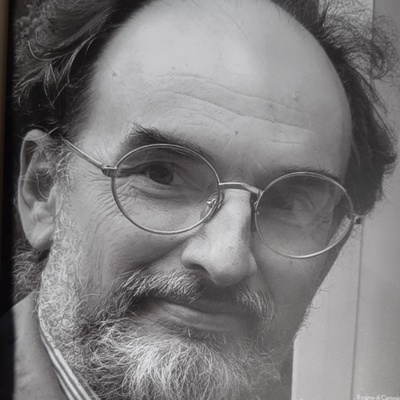
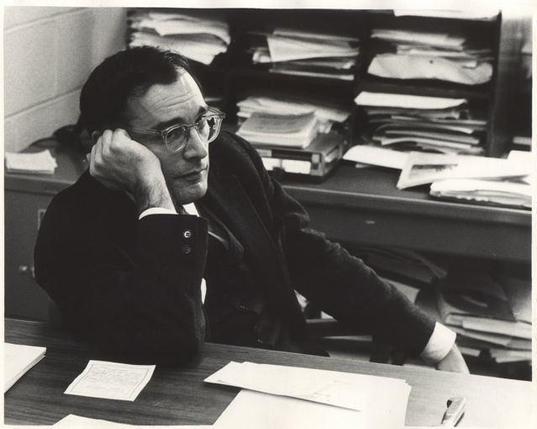
Giancarlo Rota è stato uno dei maggiori #matematici italiani del secolo scorso: ricordo di averlo ascoltato, moltissimi anni fa, tenere una conferenza dove parlava di teoria degli invarianti fatta in modo comprensibile, à la Hilbert: a un certo punto disse "fatemi fare il filosofo" e iniziò a parlare di algebre di Hopf (il tipo di cose che all'epoca mi eccitavano). Ma un filosofo lo era sul serio, studioso di fenomenologia: ecco cosa scriveva nel 1985 (più di trent'anni prima degli LLM) a proposito di #filosofia e #AI:
"Philosophers are needed today more than ever to tell the AI engineers some unpleasant truths. The philosopher's role has always been that of stating facts that may have been on everybody's mind but that no one dared state clearly. Eventually, engineers will reluctantly acknowledge that what the philosopher says is the truth, but they will then get rid of the philosopher. [...] Research is sometimes not so much discovering something new as becoming aware of prejudices that stop us from seeing what is in front of us. For example, a naive view of words states that, by and large, they have a fixed meaning. Contemporary philosophy stresses instead the variety of possible contextual senses. The problem of meaning is the problem of describing the nature of the interaction between the inherited meaning of a word and the variable contextual senses it may have. For example, when someone utters a sentence, you can understand it, because of your anticipation of what comes next. This element of anticipation is essential in all grasp of meaning. It's easy to write poems about it, but try to write down the formal rules! This is precisely the task contemporary cognitive philosophy has set itself."
 LaRampa.it
 Futuro Prossimo