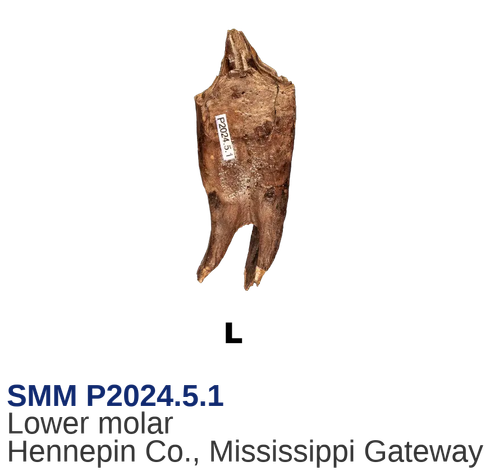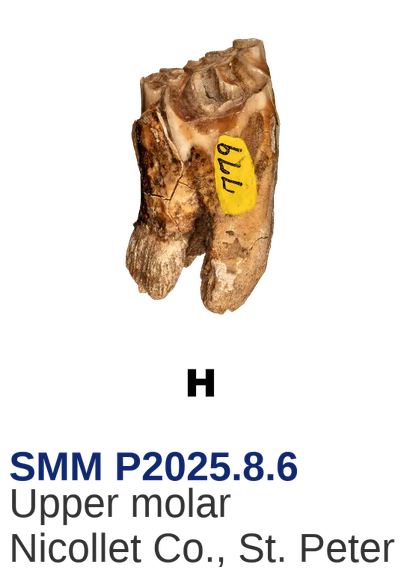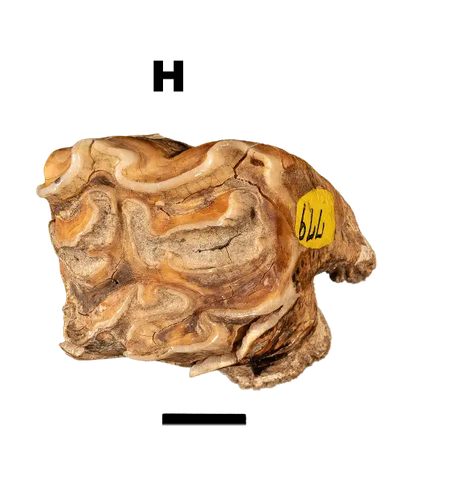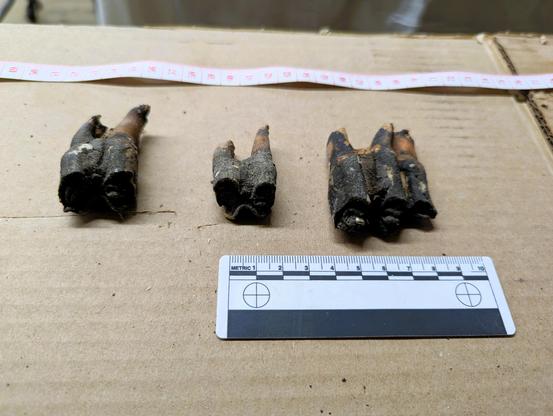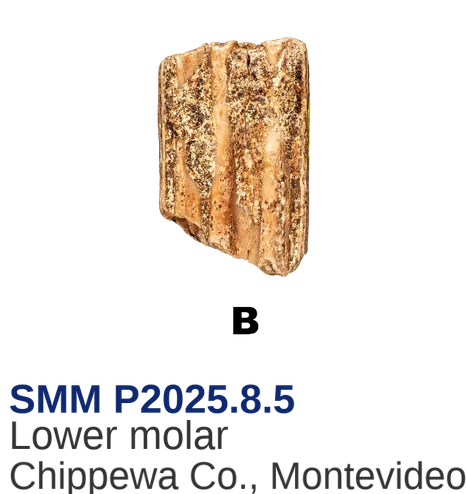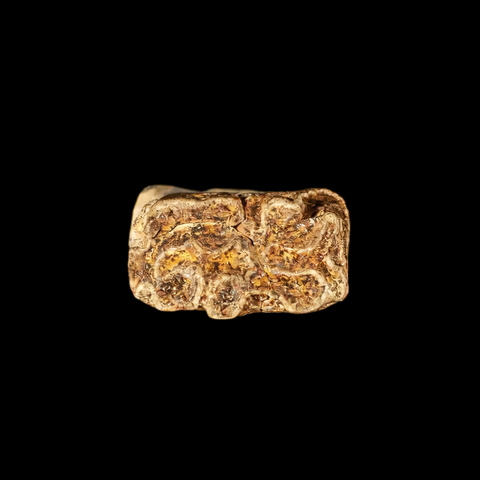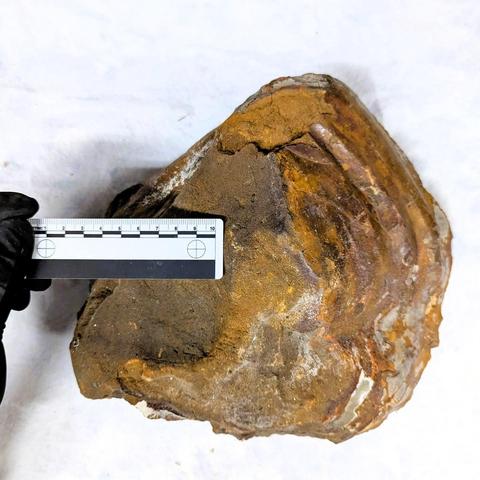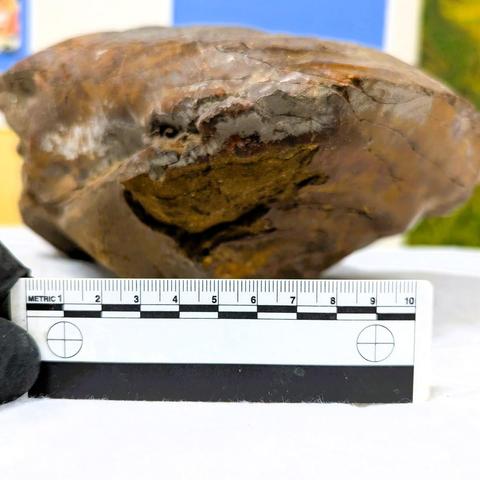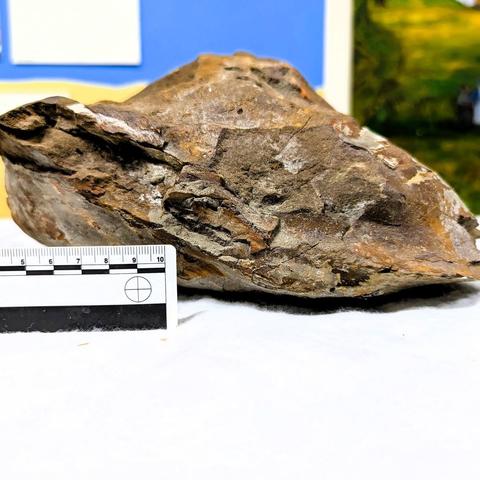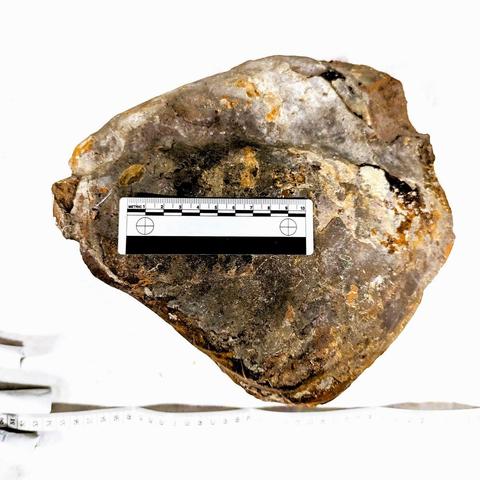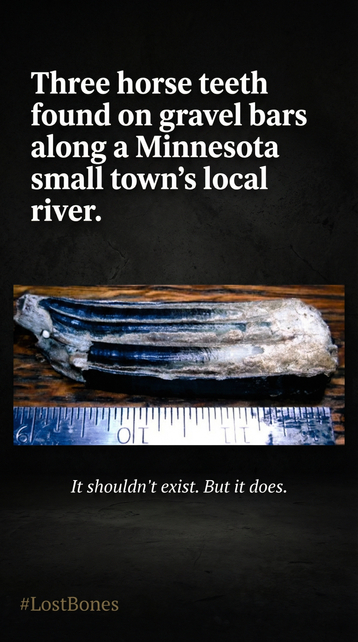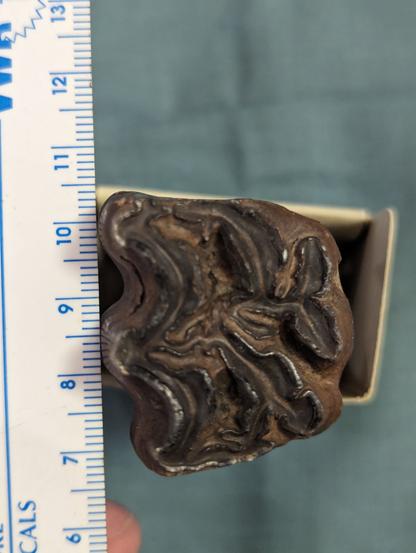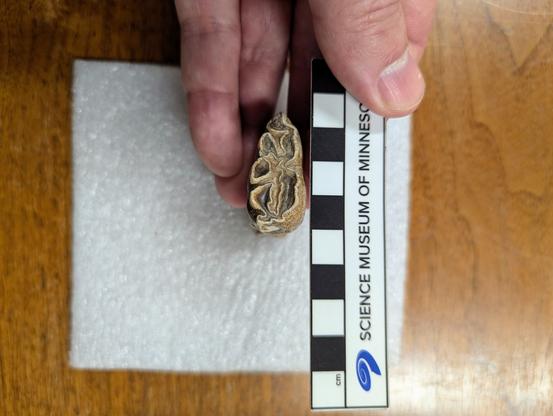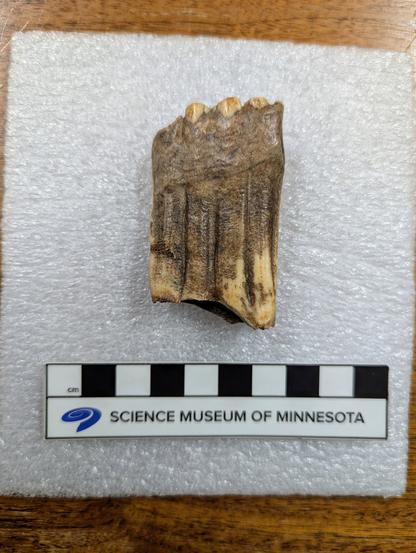
🐴 #LostBones #FossilFriday — Molar (SMM P77.20.1), specimen 8 of 12, was recovered in 1976 — the same year the U.S. celebrated its Bicentennial. This much older story emerged from the landscape in St. Cloud, Minnesota, when P. Lansing collected this beautiful upper horse molar near Highway 23.

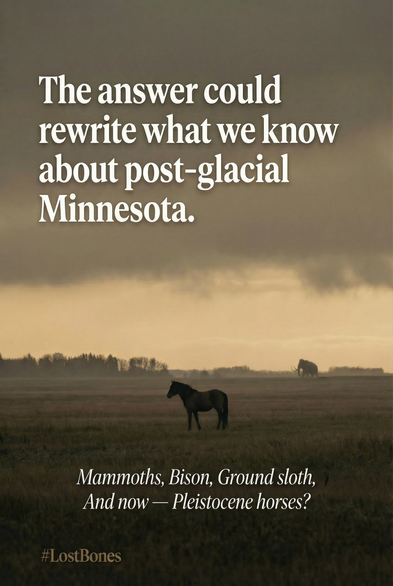
Long before modern roads and cities, horses may have roamed Ice Age Minnesota, grazing across open prairie while mammoths and giant bison shared the region.

#pleistocene #palaeontology #CitizenScience

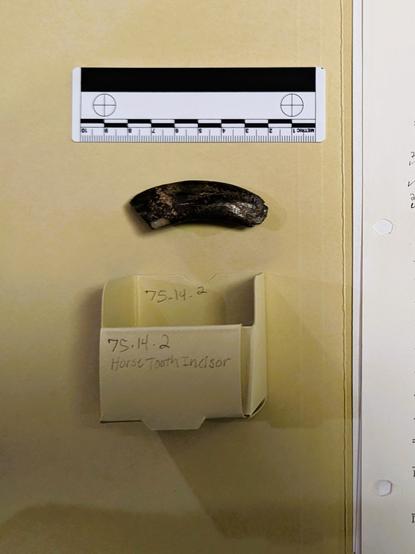
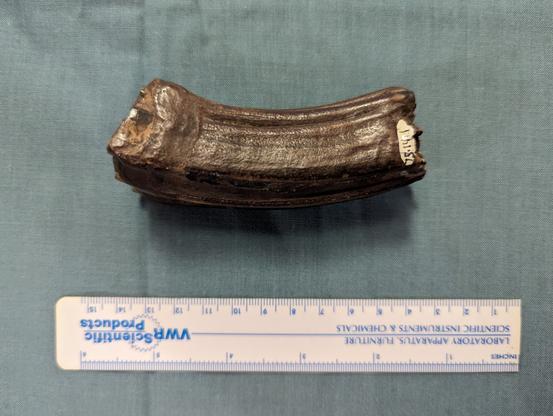
#LostBones #FossilFriday #RadioCarbonDating 🐂🦥🐴🐘🐪In June 1921, workers removing the overburden at the Sagamore Mine near Riverton, Minnesota uncovered a peat layer ~eight feet below the surface that held a rich Pleistocene bone bed. Among the material recovered from this layer were a horse molar (specimen #6) and an horse incisor, found alongside other late‑Quaternary remains within the same sedimentary zone.

https://www.crowwinghistory.org

#pleistocene #palaeontology #CitizenScience #Equus

Happy #LostBones #FossilFriday! 🐴🦣🐂🦥🍃🐪🐟 Was on the road this week with @dr_crocogator to retrieve specimen #4! This beauty of a horse molar (right p2) is from Wright County, Minnesota.

It was found on the shore of Olson’s Point on Buffalo Lake in 1976 and was currently housed at the Wright County Historical Society in Buffalo.

www.wrighthistory.org
📖Notes: https://substack.com/profile/74732696-marcus-brandel/note/c-210629991

#pleistocene #equus #palaeontology #citizenscience #horse #iceage #mnmuseums

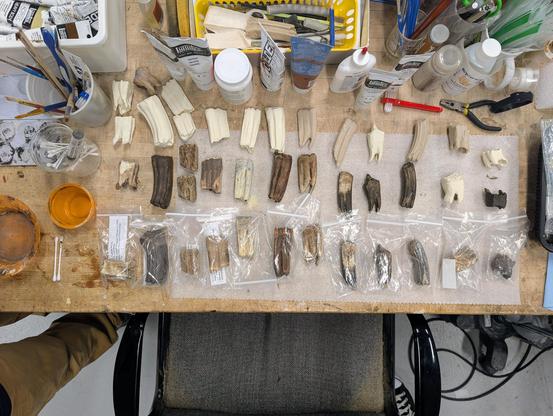
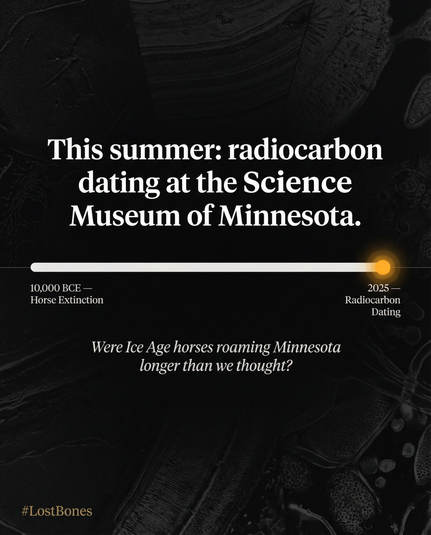
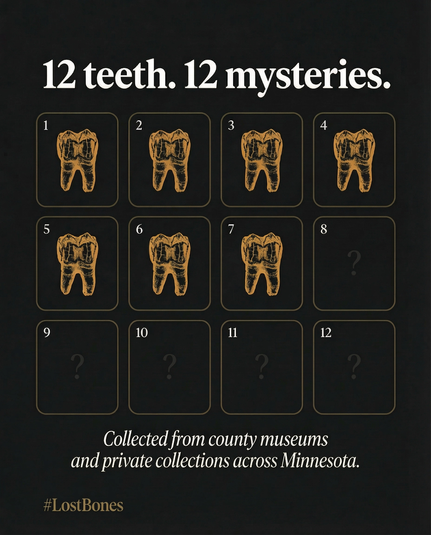
🐴 #LostBones #FossilFriday — Twelve horse teeth from across Minnesota are headed for radiocarbon dating.

This pristine specimen #3 comes from Flower Valley near Red Wing. It was found by Shari Albers when she was ten, discovered as her dad worked a field.

Read the full story in Lost Bones #4 (link in my profile).

#Pleistocene #IceAgeMinnesota #RadiocarbonDating

Photo Credit: Purple prairie clover central MN / Kelly Povo

🐴 #LostBones 🐘🦥🐪 For #FossilFriday, a new series: 12 horse teeth from across Minnesota, each one headed for radiocarbon dating to finally pin down when these animals moved across the state’s post glacial landscape.

Specimen #1 comes from a private collection near Little Sauk, Minnesota — a single horse tooth pulled from a skull found in the black marl of the Sauk River.

How do they fit into the lives or paleo-Minnesotans?

#Pleistocene #Equus #Paleontology #CitizenScience #RadiocarbonDating

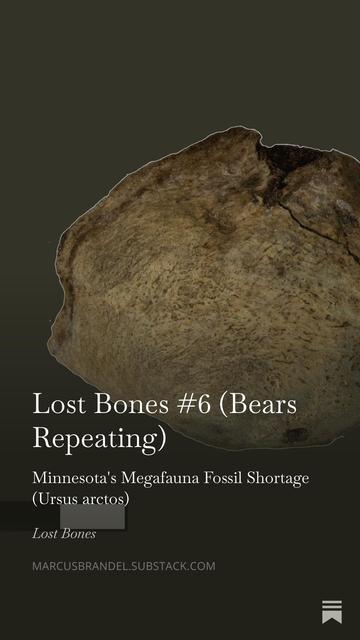
#LostBones #5 which dives deep into this discovery is now up on Substack! https://marcusbrandel.substack.com/p/lost-bones-5-from-the-ashes-a-fire
Lost Bones #5: (From the Ashes a Fire Shall be Woken)

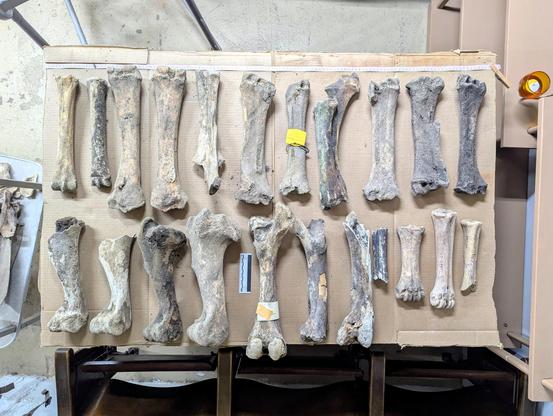
Interstate 94’s Lost Mounted Bison Bones

Lost Bones

#FossilFriday - #LostBones #5 on Substack: "In April 1967, Burgess Construction employee Ivan Brouwer, a dragline operator working along a creek during the construction of Minnesota’s Interstate 94 (I-94) just east of the city of Melrose Minnesota, uncovered a mass of jumbled bones in a peat deposit approximately 15 feet below the original ground surface..."

https://open.substack.com/pub/marcusbrandel/p/lost-bones-5-from-the-ashes-a-fire

Share to support my volunteer effort!

#Writing #HistoricalNonFiction #CitizenScience
#melrosehistoricalmuseum

#TatonkaTuesday - Finally getting around to writing a detailed #LostBones Substack about the Melrose Minnesota site - a peat deposit uncovered during MN I-94's construction in 1967.

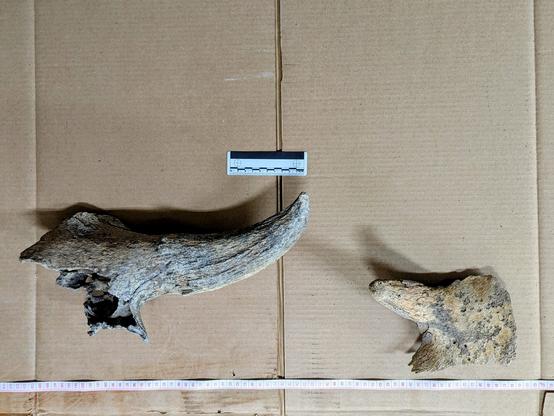
The largest skull from the site (left) is SMM P67.1.33. At 89.5 cm (35.24 inches) across its horn cores. In life the span could have been nearly 45 inches with its outer sheaths

Blog post coming soon! If you know of other sites - comment!

#Pleistocene #Bisonoccidentalis #CitizenScience #Discovery on #Substack

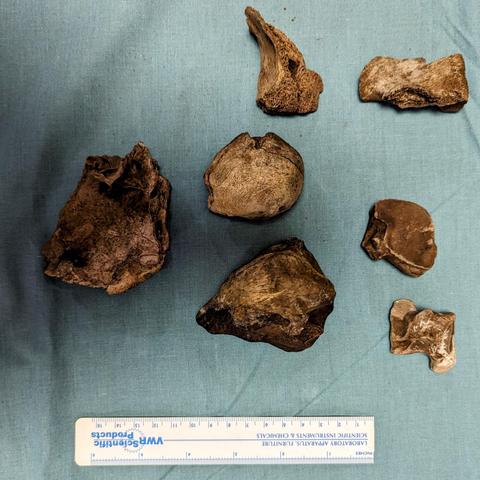
🦣🐘🦥🐪 For #FossilFriday: Here is the second of the OG 12 mammoth specimens from New Ulm, MN. Amazingly, split down its length rather than broken into individual plates its chewing surface is missing—but you can see part of the animal’s jaw and tooth root exposed.

Discoveries in New Ulm continue to this day! To read more about the first “dirty dozen” proboscidean finds, check out #LostBones #3 (one of the free articles) on my Substack.

https://marcusbrandel.substack.com/
.
.
.
#Pleistocene #CitizenScience

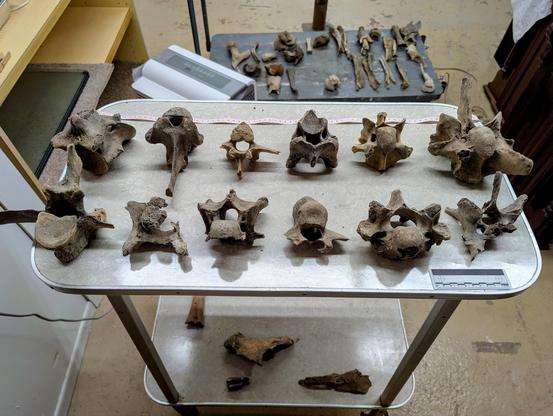
🐂#LostBones 🦥🐴🐘🐪 Near Little Sauk, Minnesota, a local naturalist began finding bison bones in the thick marl at the bottom of a river on his property. So, as one does, he started wading in neck-deep water—feeling for bones with his feet!

This is the fourth such Minnesota skeleton I’ve written about here. If you know of others, or have your own skeleton haunting a basement or garage this Halloween #FossilFriday, I’d love to hear the tale!
.
.
.
.
#holloween #skeleton #bisonbison #citizenscience