Du 7 avril au 18 juillet 2025, la bibliothèque Henri-Piéron propose avec l’exposition « PsychAnimal. De la psychologie zoologique à l’éthologie cognitive. Au prisme des collections de la BU Piéron » un parcours original au milieu de la faune de...
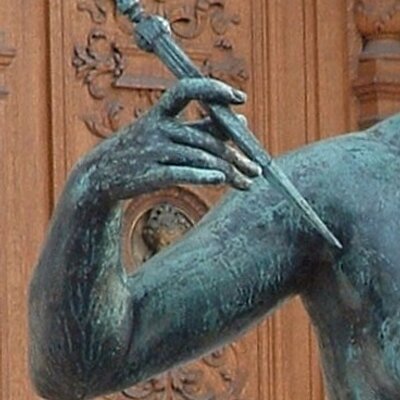
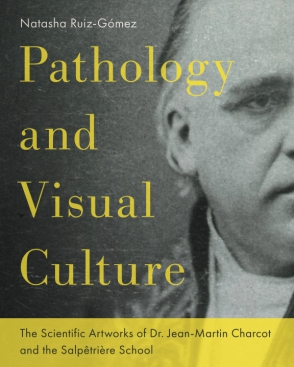
In this book, Natasha Ruiz-Gómez delves into an extraordinary collection of pathological drawings, photographs, sculptures, and casts created by neurologists at Paris’s Hôpital de la Salpêtrière in the nineteenth century. Led by Dr. Jean-Martin Charcot (1825–1893) and known collectively as the Salpêtrière School, these savants-artistes produced works that demonstrated an engagement with contemporary artistic discourses and the history of art, even as the artists/clinicians professed their dedication to absolute objectivity.
Quelques fils sur Mastodon :
Le difficile (re)nommage de la nature
https://social.sciences.re/@Lignedescience/112723483021084014
- de mon compte précédent (sur twitter)
Petite histoire du « crétinisme » dans les Alpes #dishist #histmed #histpsy https://twitter.com/Lignedescience/status/1625180563660324868
Canulars zoologiques exposés dans des muséums à titre pédagogique : https://twitter.com/Lignedescience/status/1608319002312380417
Sur l'histoire du test de grossesse :
https://twitter.com/Lignedescience/status/1081625335970574336
Attaché : 1 image Comment nous nommons la nature : Charles Darwin’s Barnacle and David Bowie’s Spider, How Scientific Names Celebrate Adventurers, Heroes, and Even a Few Scoundrels, de Stephen B. Heard. https://scientistseessquirrel.wordpress.com/charles-darwins-barnacle/ #toread #histnat #WhatsInAName