 Bryan King
How to Rebuild Your Life When You Feel Beyond Repair
1,300 words, 7 minutes read time.
My sacrifice, O God, is a broken spirit; a broken and contrite heart you, God, will not despise.
Psalm 51:17 (NIV)
God doesn’t want a polished highlight reel of your “best self”; He wants the raw, jagged truth of who you are right now so He can build something that actually holds weight.
Why God Uses Broken Men to Build His Kingdom
You remember that Sunday morning. The music was hitting, the lights were dialed in, and when the preacher gave the call, you felt something move in your chest for the first time in years. You walked down that aisle, felt the water of the baptismal tank, and for twenty minutes, you felt like a giant. You walked out those double doors thinking the rage at the dinner table would just evaporate, that the itch for the screen at 11:00 PM would go numb, and that you’d magically know how to lead your wife and kids. You were welcomed with high-fives and “brother” this and “bless you” that. Then, the silence hit. No one called. No one showed you how to open the Book without feeling like a total amateur. The high wore off, the old ghosts came back knocking, and now you’re sitting in your truck wondering if the whole thing was a fluke. You feel like a piece of salvaged timber—scarred, notched, and rotting at the edges—unfit for the Master’s use.
But here is the hard truth about construction, you don’t build a skyscraper on top of a swamp. You dig. You excavate. You tear out the unstable earth until you hit bedrock. That feeling of being “broken” isn’t a sign that Jesus ghosted you; it’s the sign that He’s actually moved onto the job site. The seeker-friendly hype gave you a coat of paint; Jesus wants to give you a new frame.
Think about a structural beam. A piece of wood that looks perfect on the outside might have a hidden knot that makes it snap under a heavy load. But a man who has been broken—truly broken by the weight of his own sin and the realization that he can’t fix his own life—is a man who has finally stopped leaning on his own flimsy strength. When you’re at the end of your rope, snapping at the kids because the bills are high and your patience is low, and you finally drop to your knees and admit, “I can’t do this,” you aren’t failing. You’re finally becoming usable.
The world tells you to hide the cracks. In the kingdom, the cracks are where the light gets in. You think your struggle with lust or your hair-trigger temper makes you a “spiritual rookie” who doesn’t belong? No. It makes you a man in need of a Foreman. Jesus didn’t recruit the “perfect” guys; He recruited rough-handed fishermen and tax collectors who were hated by their own people. He took their brokenness and forged it into something that changed the world. He isn’t looking for your polished performance; He’s looking for your honesty in the dirt. The church might have stopped checking in on you, but the Architect hasn’t walked off the job. He’s just waiting for you to stop trying to hide the damage so He can start the pour. You aren’t too broken to be used; you’re finally broken enough to be built right.
How to Practice Christian Manhood When Life Gets Hard
Inventory the Damage: Tonight, instead of hiding from your failures or drowning them in a screen, sit in the silence of your truck or the garage for ten minutes. Name the three specific areas where you feel most “broken”—whether it’s anger, porn, or the fear of being a provider—and explicitly hand the keys of those rooms over to Christ. Tell Him, “I can’t fix this house, but it’s Yours.”
A Man’s Honest Prayer for Strength and Healing
Lord,
I’m tired of playing the part. I thought the struggle would be over by now, but I feel more broken than the day I walked down that aisle. I feel like a failure as a husband and a man, and I feel like I’m doing this all on my own. But Your Word says You don’t despise a broken heart. Here is mine. It’s messy, it’s scarred, and it’s notched by a thousand bad decisions. Take the wreckage of my life and build something solid on the Rock. Don’t let me slip back into the old ways just because the path is hard.
Amen.
Hard Truths and Personal Reflection for Growth
- In what specific moments this week did you feel like a “spiritual rookie” who wasn’t measuring up to the “Christian” image?
- Be honest: Are you more upset that you sinned, or that your ego is bruised because you couldn’t stay “perfect” on your own?
- If Jesus is the Master Builder, why are you still trying to act like the General Contractor of your own life?
- The church leaders might have missed your follow-up, but who is one man you can reach out to today—even if it’s awkward—to admit you need a hand on the job site?
- How would your leadership at home change if you stopped leading out of “perfection” and started leading out of humble, honest dependence on God?
Call to Action
Stop waiting for a phone call from the church office that isn’t coming. The guys who patted you on the back at the altar might have moved on to the next big event, but the King of Kings is still standing right there in the wreckage of your living room, waiting for you to pick up the tools. You’ve been ghosted by men, but you haven’t been abandoned by God.
Being a man of God isn’t about the emotional high of a Sunday morning service; it’s about the grit of a Tuesday night when the temptation is screaming and the kids are crying. It’s about building a life that doesn’t collapse when the spotlights turn off. You’ve got a choice to make: you can stay a “spiritual rookie” who waits for someone to hold his hand, or you can step up, own your brokenness, and start laying bricks on the only Foundation that holds.
Get off the sidelines. Pick up your Bible—even if you don’t understand half of it yet. Get on your knees—even if you feel like a hypocrite. Lead your family—even if your hands are shaking. The Builder is ready to work, but He won’t pick up the hammer until you stop making excuses for the cracks in your floor. It’s time to stop being a “visitor” in the Kingdom and start being a son. Stand up, brother. We’ve got work to do.
SUPPORTSUBSCRIBECONTACT MED. Bryan King
Sources
- How to Disciple New Believers
- The Church Is a Hospital for Sinners
- The Stages of Christian Growth
- Becoming a Man of God
- What does it mean to have a broken and contrite heart?
- The Top 10 Challenges Men Face
- Why Men Feel Isolated in the Modern Church
- Beginning Your New Life in Christ
- Discipleship in the Local Church
- The Marks of a Spiritual Man
- Why Christian Men Need Brotherhood
- The Call to Godly Manhood
- The Nature of True Repentance
- The Wheel Illustration: Living a Centered Life
- Don’t Give Up on the Local Church
- Commentary on Psalm 51:17
- Pornography as Spiritual Warfare
- The Theology of Manhood
- 10 Things You Should Know About Discipleship
- Understanding the Psalms for Daily Life
Disclaimer:
The views and opinions expressed in this post are solely those of the author. The information provided is based on personal research, experience, and understanding of the subject matter at the time of writing. Readers should consult relevant experts or authorities for specific guidance related to their unique situations.
#authenticFaith #biblicalFatherhood #biblicalMasculinity #biblicalRepentance #brotherToBrotherDiscipleship #buildingOnTheRock #ChristianManSGuideToWork #ChristianManhood #ChristianMarriageAdviceForMen #ChristianProviderPressure #churchFollowUpFailure #dailyWalkWithJesus #discipleshipForNewBelievers #emotionalAltarCallVsDailyObedience #faithAndFatherhood #faithUnderPressure #feelingGhostedByChurch #GodSGraceInBrokenness #godlyLeadershipAtHome #gritAndGrace #honestPrayerForMen #howToLeadYourFamilySpiritually #howToReadTheBibleForBeginners #identityInChristForMen #managingAngerAsAChristianMan #masculineSpirituality #mentalHealthForChristianMen #overcomingLust #overcomingPornographyAddiction #overcomingShame #prayerForStrugglingFathers #Psalm5117Devotional #realTalkForChristianMen #recoveryFromBacksliding #spiritualDisciplineForBusyDads #spiritualGrowthForMen #spiritualRookieMistakes #spiritualWarfareForMen #strengthInWeakness #survivingThePostSalvationSlump #thePathToMaturityInChrist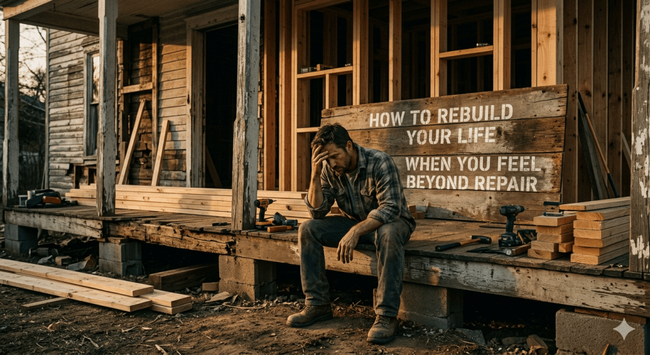
 Intentional Faith