One-way quantum synchronization could make quantum computers more reliable. Via @sciencedaily_official
#Science #Physics #QuantumPhysics #QuantumMechanics 🔭🔬🧪🥼🧑🔬
#ComputerSciences #QuantumComputersOne-way quantum synchronizatio...
One-way quantum synchronization could make quantum computers more reliable
Scientists at RIKEN have proposed a new way to make quantum systems synchronize in only one direction—like a one-way street for sound particles known as phonons. The breakthrough combines two quantum effects to create a form of one-way quantum synchronization that remains surprisingly stable even when exposed to manufacturing flaws and environmental noise, two major obstacles that have long hindered real-world quantum technologies.
New '3D' Computer Chips Could Extend Moore's Law, Study Shows. Via @sciencealert
#ComputerSciences 🧑💻
#Tech ⚙️💾📱🔌💻
New '3D' Computer Chips Could ...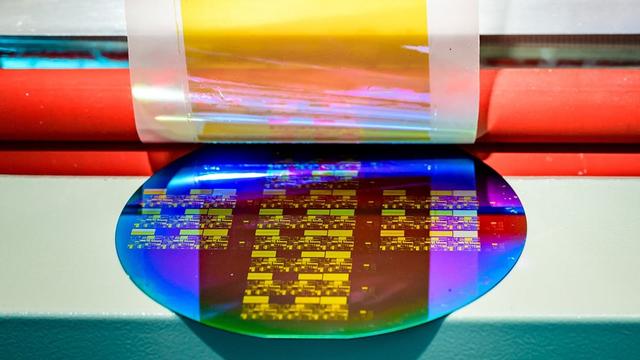
New '3D' Computer Chips Could Extend Moore's Law, Study Shows
In recent years, computer chip performance has bumped up against the physical limitations of the space available on integrated circuits.
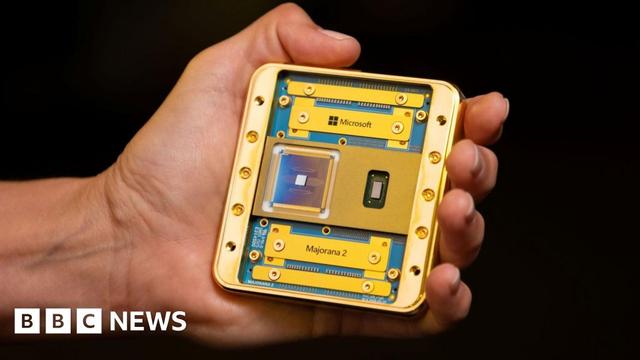
Microsoft claims new quantum chip 1,000 times better than before
The tech giant predicts it will have a quantum computer that can solve commercially useful problems by the end of the decade.
Quantum computers could expose our digital secrets, but there are much better reasons to build them. Via @techxplore
#Science #Physics #QuantumPhysics #QuantumMechanics 🔭🔬🧪🥼🧑🔬
#ComputerSciences 🧑💻
#QuantumComputers 🖥️
#CyberSecurity 🪪
Quantum computers could expose...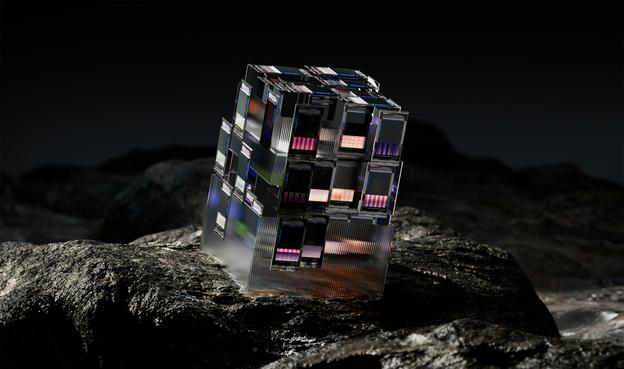
Quantum computers could expose our digital secrets, but there are much better reasons to build them
Quantum computers are coming. Or, at least, that's what current predictions say. These machines harness the power of quantum mechanics, the set of rules governing how physics operates at atomic and sub-atomic scales.
Teaching AI agents to ask better questions by playing “Battleship”. Via @MIT
#AI #ArtificialIntelligence 💻 🧠
#ComputerSciences 🧑💻
Teaching AI agents to ask bett...
Teaching AI agents to ask better questions by playing “Battleship”
AI models played “Collaborative Battleship” together and struggled to ask informative questions about hidden ships. A Monte Carlo inference strategy helped small agents carefully consider each inquiry to outperform larger systems at a fraction of the cost.
Human Brain Cells Grown on a Chip Level Up to Play 'Doom'. Via @sciencealert
#Science 🔭🔬🧪🥼🧑🔬
#ComputerSciences #GenoProcessorHuman Brain Cells Grown on a C...
Human Brain Cells Grown on a Chip Level Up to Play 'Doom'
Australian researchers have trained lab-grown brain cells on a silicon computer chip to play the nineties shooter game "Doom" and say they are just scratching the surface of what the neurons could be capable of doing.
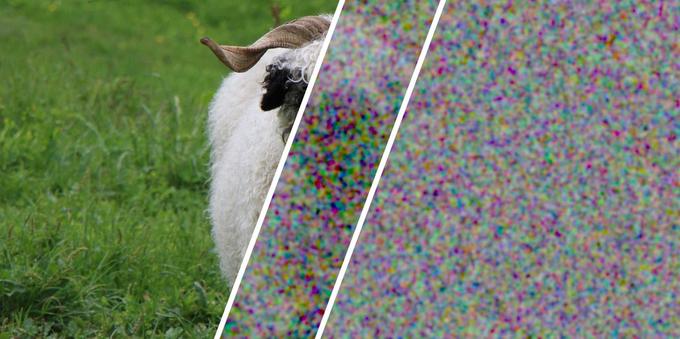
A quantum computing system’s perfect randomness could keep your secrets safe
Generating and confirming the randomness of qubits could lead to breakthroughs in computer data encryption
New 3D silicon chip breakthrough could extend Moore’s Law for years. Via @sciencedaily_official
#ComputerSciences #Tech ⚙️💾📱🔌💻
New 3D silicon chip breakthrou...
New 3D silicon chip breakthrough could extend Moore’s Law for years
As traditional chip miniaturization slows, researchers have found a way to pack more computing power into the same space by stacking silicon circuits in multiple layers. The new process uses ultra-thin silicon membranes and low-temperature manufacturing techniques to overcome a major obstacle that has long blocked the production of true 3D chips.
This strange new phase of matter could transform quantum technology. Via @sciencedaily_official
#Science #Physics #QuantumPhysics #QuantumMechanics 🔭🔬🧪🥼🧑🔬
#ComputerSciences 🧑💻
#QuantumComputers 🖥️
#Tech ⚙️💾📱🔌💻
This strange new phase of matt...
This strange new phase of matter could transform quantum technology
By stacking custom-designed silver nanoparticles like nanoscale LEGO bricks, scientists stabilized a mysterious crystal phase that had never been observed before. The material not only solves a longstanding puzzle in materials science but also exhibits promising quantum properties at room temperature.
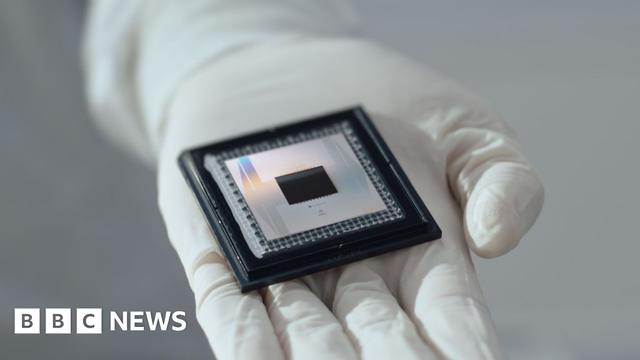
First UK team to use Google Willow quantum chip announced
King's College London researchers hope the chip will help answer previously unanswerable questions about the most important natural processes.
 Jack C.M