Human Brain Cells Grown on a Chip Level Up to Play 'Doom'. Via @sciencealert
#Science 🔭🔬🧪🥼🧑🔬
#ComputerSciences #GenoProcessorHuman Brain Cells Grown on a C...
Human Brain Cells Grown on a Chip Level Up to Play 'Doom'
Australian researchers have trained lab-grown brain cells on a silicon computer chip to play the nineties shooter game "Doom" and say they are just scratching the surface of what the neurons could be capable of doing.
New data center will be partially powered by human brain cells for the first time. Via @live_science
#AI #ArtificialIntelligence 💻 🤖 🧠
#Science 🔭🔬🧪🥼🧑🔬
#ComputerSciences #GenoProcessorNew data center will be partia...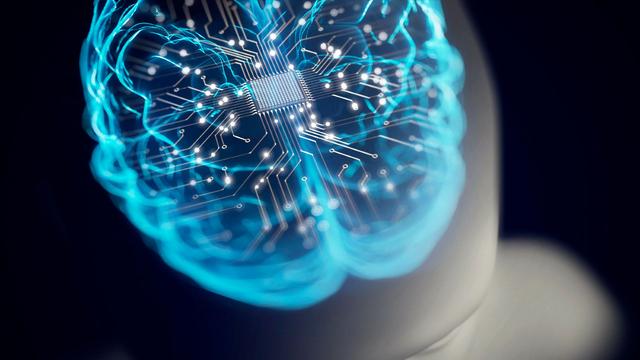
New data center will be partially powered by human brain cells for the first time
A startup is experimenting with data centers powered by lab-grown human neurons, testing whether living cells can offer a more efficient alternative to traditional computing.
How human neurons on a chip learned to play Doom. Via @scientific_american
#Science 🔭🔬🧪🥼🧑🔬
#ComputerSciences #GenoProcessorHow human neurons on a chip le...
How human neurons on a chip learned to play Doom
Cortical Labs says the stunt points toward a new kind of low-power computing—and perhaps a new way to study neurological drugs

These Mini Brains Just Learned to Solve a Classic Engineering Problem
In a step toward biological computing, brain organoids rewired their networks as they learned to balance a digital pole on a cart.
Scientists Train Human Brain Cells to Play Doom. Via @drbenmiles
#Science 🔭🔬🧪🥼🧑🔬
#ComputerSciences #GenoProcessorScientists Train Human Brain C...
Scientists Train Human Brain Cells to Play Doom
For the First Time, Lab‑Grown Brain Organoids Display Ability to Learn. Via @discover.magazine
#Science 🔭🔬🧪🥼🧑🔬
#GenoProcessorFor the First Time, Lab‑Grown ...
For the First Time, Lab‑Grown Brain Organoids Display Ability to Learn
Learn more about the advances in brain organoids and what this science could mean for the future.
Scientists Grew Mini Brains, Then Trained Them to Solve an Engineering Problem. Via @sciencealert
#Science 🔭🔬🧪🥼🧑🔬
#ComputerSciences #GenoProcessorScientists Grew Mini Brains, T...
Scientists Grew Mini Brains, Then Trained Them to Solve an Engineering Problem
A few blobs of lab-grown brain tissue have demonstrated a striking proof of concept: living neural circuits can be nudged toward solving a classic control problem through carefully structured feedback.
This new DNA storage system can fit 10 billion songs in a liter of liquid — but challenges remain for the unusual storage format. Via @live_science
#Science 🔭🔬🧪🥼🧑🔬
#ComputerSciences #GenoProcessor #Tech ⚙️💾📱🔌💻
This new DNA storage system ca...
This new DNA storage system can fit 10 billion songs in a liter of liquid — but challenges remain for the unusual storage format
The new storage system could hold family photos, cultural artifacts and the master versions of digital artworks, movies, manuscripts and music for thousands of years, scientists say.
Five-Year-Old Mini Brains Can Now Mimic a Kindergartener’s Neural Wiring. It’s Time to Talk Ethics. Via @singularityhub
#Science 🔭🔬🧪🥼🧑🔬
#ComputerSciences #GenoProcessorFive-Year-Old Mini Brains Can ...
Five-Year-Old Mini Brains Can Now Mimic a Kindergartener’s Neural Wiring. It’s Time to Talk Ethics.
Among pressing ethical concerns are whether brain organoids can feel pain or become conscious—and how would we know?
Microgel-based antioxidant system advances biohybrid brain research. Via @sciencex.physorg
#Science 🔭🔬🧪🥼🧑🔬
#ComputerSciences #GenoProcessorMicrogel-based antioxidant sys...
Microgel-based antioxidant system advances biohybrid brain research
Researchers have unveiled a breakthrough technology that could transform the way scientists build and study lab-grown brain tissue models. The innovation, called Cellular RedOx Spreading Shield (CROSS), delivers long-lasting antioxidant protection to stem cells, enabling the reliable production of high-quality extracellular vesicles (EVs) that strengthen neuron-glia networks.
 Jack C.M