 Ashwin Dixit
WORD OF THE DAY:
Neinwohl : Opposite of Jawohl
Meaning: "I hear and I disobey."
#WordOfTheDay
#NewWord #Coinage
#German #English
#CivilDisobedience #AntiFa
WORD OF THE DAY:
Neinwohl : Opposite of Jawohl
Meaning: "I hear and I disobey."
#WordOfTheDay
#NewWord #Coinage
#German #English
#CivilDisobedience #AntiFa
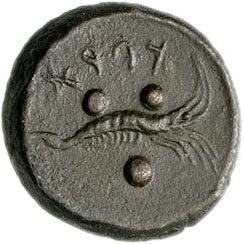
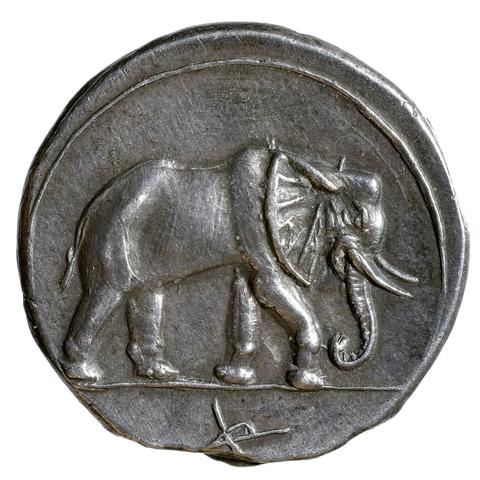
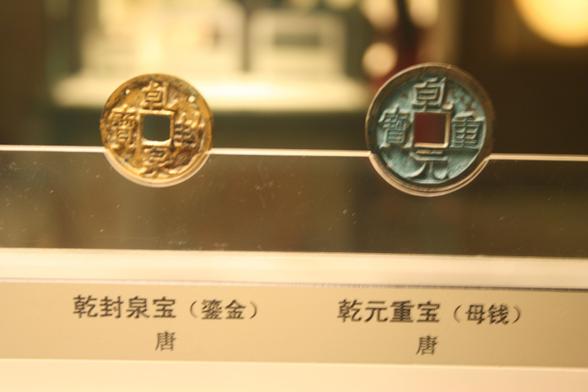
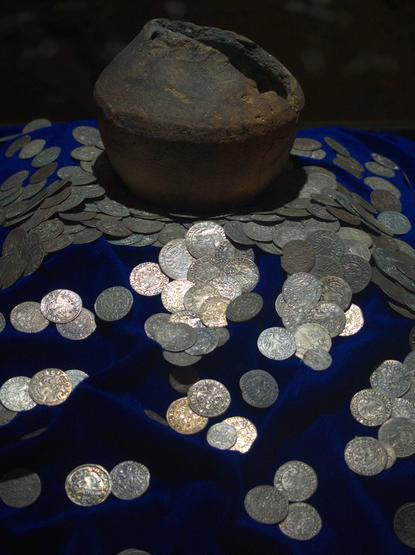
Donald Trump’s sneering face must be kept off America’s currency
What a country chooses to put on its money reflects its character. The United States must stick to its tradition of keeping currently serving elected officials off of greenbacks and coins.
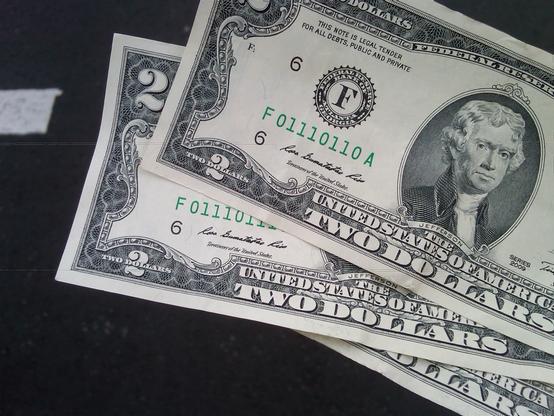
What a country chooses to put on its money reflects its character. The United States must stick to its tradition of keeping currently serving elected officials off of greenbacks and coins.
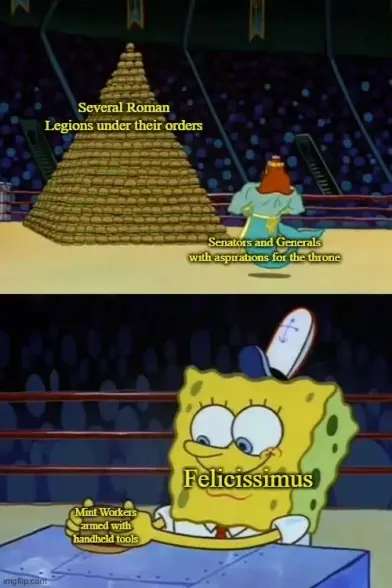
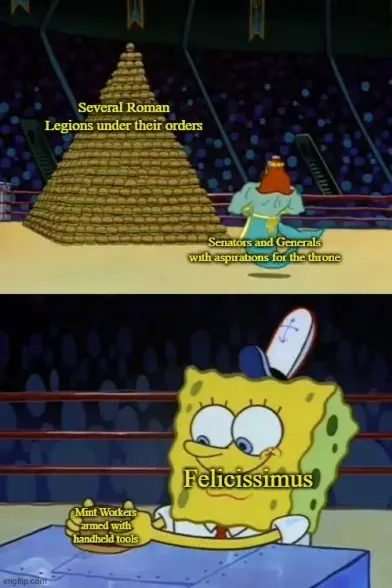
Those mintworkers had guts in defending their right to steal, I'll give them that
 PugJesus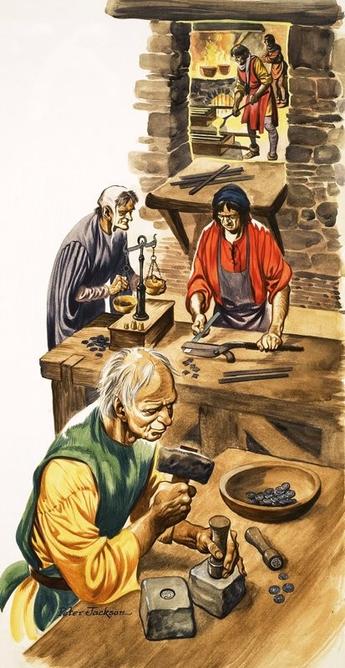
 NorthwestProgressiveInstitute