 ratrace
Why Americans Feel Forced to Buy New Instead of Buying Refurbished | PissedConsumer
 CB like the radio
I really enjoy repairing things. It gives such a great feeling of accomplishment when done.
Yes, today it was just patching a hole on an inner pocket and replacing a buckle on the same messenger bag but it felt great to keep the bag going for probably another ten years.
 Kent Pitman
There's a meme on FB that asks why no billionaire has funded the halting or reversal of climate change, just so people would revere them for literally saving humanity. This was my response:
Partly it involves a process change to everything we do, so it doesn't happen on a specific day and so there is no glory, like saving us from an asteroid that's about to destroy Earth. There is no definitive problem that on a certain day you can say "see, it's done".
Partly because the solutions involve changing how everything on the planet operates in a way that many people will regard as adverse, because even though we talk about caring about our kids, people are really a lot in it for themselves and if it comes down to them having a good time or leaving a livable world for their kids, they're going to have a good time and pretend to hope their kids will survive it.
Partly it's that there's good money in pretending it's not a big deal, and these are people who like to use money as their signal of goodness. To the extent they pretend they care about humanity, in many cases they're just trying to make a profit on the fact that others do.
Partly it's that the solution is actually something that even billionaires don't have enough to just buy outright overnight.
Partly it's that it cuts into their lifestyles, in many cases, because the are some of the most planet-intensive people in existence. One of the things we need to do in order to survive as a species is stop being consumption-oriented and they are the poster-children for consumption.
Partly it's that they do not perceive that the threat is to all of humanity, only to some of it, and they think the people who escape it will be the clever ones, who they imagine are the ones with money. They think that by becoming rich, they have avoided it, and that they are humanity's best chance.
Partly it's that they have a bunker in their basement that is prepper-stocked with what they imagine is everything they need and they just don't care about others.
Partly it's that although we revere them as super-smart for getting to where they are, we over-attribute intelligence and under-attribute sociopathy. So, yes, they don't care that much about others, but also they aren't in a lot of cases the smartest among us.
Partly it's that everything else they do they already model as saving humanity in one way or another, so the "high" of having these alleged bragging rights would not last long.
Partly it's that their notion of what "investing" in has nothing to do with outcomes you want to see in the world, and everything to do with what brings monetary return, which steers them in the wrong direction.
Partly they think there are too many people and it's good that most of them will die, so they are doing humanity a favor by culling its numbers. (I'm not going to get into the racial breakdown of the order in which people die, but there's probably a lot to be said there, too.)
Partly they may just do the calculation that there are cheaper ways to get adulation.
#climate #ClimateCrisis #ClimateEmergency #ClimateDenial #collapse #extinction #billionaires #LateStageCapitalism #sociopathy #Consumption #AntiConsumption #sustainability #ClimateCulling
 small cypress
on buying nothing* all may (+ personal web roundup, peonies)

 foxymochakitten
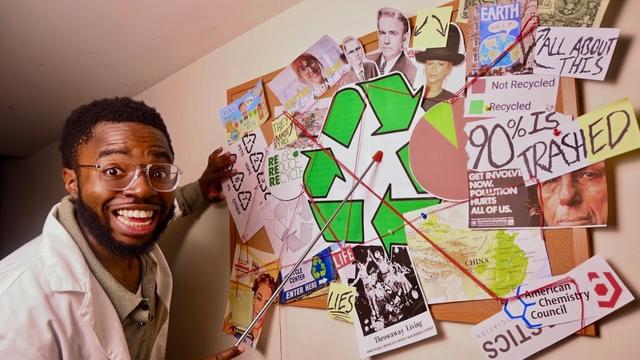
i’m pretty sure recycling isn’t real… (I love this guy's vids, super informative and funny)
List of bookstores that aren't Amazon/B&N
List of bookstores that aren't Amazon/B&N - SLRPNK
I’ve recently added a list to my website that has links to book sellers that aren’t Amazon or other large conglomerates, and I thought it might be appreciated here. This includes both eBooks (most DRM-free), and physical ones as well. I found most of these by coming across books I wanted (usually via the fediverse or LibraryThing), and searching up the author’s website. Usually they’ll have the ubiquitous Amazon & Kobo links, but sometimes they also link to the publisher directly, who often have their own shops as well. Basically I do a lot of link hopping until I come across small indie places that are much nicer to buy from. If you have any favorites that I haven’t included here, please let me know! I’d love to add more.
Your 'widely recyclable' Starbucks cup is still trash
Your 'widely recyclable' Starbucks cup is still trash - SLRPNK
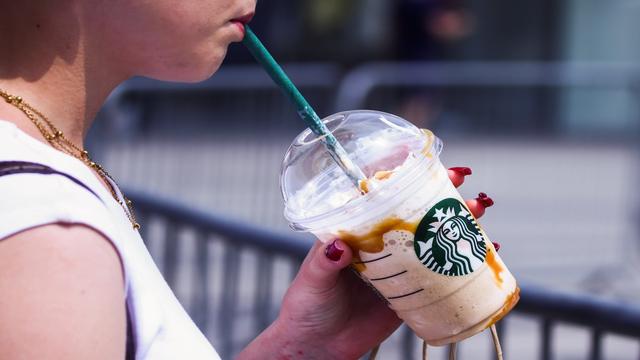
Frappuccino lovers, rejoice: Your plastic to-go cups are now “widely recyclable.” That’s according to an announcement [https://greenblue.org/2026/02/02/how2recycle-upgrades-pp-cups/] made in February by Starbucks, the waste hauler WM (formerly known as Waste Management), and three recycling groups called The Recycling Partnership, GreenBlue, and Closed Loop Partners. In a press release, they said that more than 60 percent of U.S. households can now recycle cold to-go cups in their curbside recycling bins. This makes the cups eligible for one of GreenBlue’s special labels featuring the familiar chasing arrows triangle and the words “widely recyclable.” “To-go cups are entering a new era of recyclability,” the release said. However, there’s a catch. Just because a product can be collected for recycling doesn’t mean it actually gets recycled. To imply otherwise is to conflate two very different numbers: the access rate and the real recycling rate. The former describes the number of people who are told they have “access” to a recycling program for a given product. The latter — the amount of plastic that is ultimately turned into new things — is what really matters, from an environmental standpoint. There’s not much evidence to suggest that the recycling rate for plastic cups is above 1 or 2 percent. “This is one of those situations where statistics can be very misleading,” said Alex Jordan, a plastics researcher at the University of Wisconsin-Stout. “They can pull a statistic that would make the public think that all these things are being recycled, but unfortunately even if you clean and dry and put your recycling in the recycling bin and it gets picked up, the overwhelming likelihood is that it ends up in a landfill or being burned for energy generation.” Jordan is one of several experts across government, academia, and industry who question the feasibility of recycling plastic cups. Polypropylene, the type of plastic Starbucks’ cups are made from, is ubiquitous in packaging and foodware but not in recycling facilities. It’s often contaminated with food or other types of plastic, difficult to sort, and expensive to process — so most recyclers don’t want it. There “just aren’t a lot of recycling centers that want to accept polypropylene,” Jordan said. The manager of one recycling center in California, who asked not to be named, said the cup announcement represents little more than a convenient alignment of interests: It generates good press and revenue for GreenBlue, allows WM to collect more material, and casts Starbucks as eco-friendly without requiring it to move away from single-use plastic. “Everyone wants that warm, fuzzy recyclable label,” the manager said, adding that they suspected there would be no buyers for polypropylene even if they advertised it widely. “Our phone would not ring. It’s not something there are a lot of mills out there that are buying.” February’s announcement is part of a yearslong effort to increase polypropylene collection and recycling. Helming the effort is The Recycling Partnership, or TRP, a nonprofit funded by plastic-producing companies and their lobbying groups [https://web.archive.org/web/20260215195803/https://recyclingpartnership.org/funding-partners/], including the American Chemistry Council, Exxon Mobil, and Coca-Cola. It started in 2020, just two years after China stopped accepting the United States’ plastic waste. At the time, polypropylene had a bit of an image problem. It was the second most common type [https://www.epa.gov/sites/default/files/2021-01/documents/2018_tables_and_figures_dec_2020_fnl_508.pdf] of plastic in Americans’ municipal solid waste, but its recycling rate was far below that of other resins, at just 0.6 percent. (Polypropylene “containers and packaging” had a slightly higher rate of 2.7 percent.) Because cities could no longer ship their mixed plastic waste to China for reprocessing and there weren’t enough domestic facilities to sell it to, many stopped accepting all but the simplest products: bottles and jugs made of PET or HDPE, labeled with the numbers 1 and 2, respectively. All of this called into question the legality of labeling polypropylene products with the “chasing arrows” recycling symbol, as some recycling organizations had previously recommended. TRP said there was an immediate need for action to “ensure the long-term viability of polypropylene plastic [https://web.archive.org/web/20201208145941/https://recyclingpartnership.org/polypropylene-coalition/].” Working in tandem with other recycling groups including GreenBlue — whose board of directors [https://web.archive.org/web/20251007181933/https://greenblue.org/about-greenblue/] includes executives from Walmart, Dow, and the packaging companies Printpack and Smurfit Westrock — TRP launched a “Polypropylene Recycling Coalition [https://www.prnewswire.com/news-releases/the-recycling-partnership-launches-polypropylene-recycling-coalition-to-improve-and-increase-americas-recovery-of-plastic-packaging-and-strengthen-the-circular-economy-301089229.html]” that would work to increase the number of curbside collection programs accepting polypropylene. TRP started by giving grants to material recovery facilities, the factories where your household recycling is sent to be sorted, so they could install better technology capable of picking out polypropylene from mixed piles of plastic. The organization also said it would pursue “education of residents [https://web.archive.org/web/20201208145941/https://recyclingpartnership.org/polypropylene-coalition/].” One of TRP’s key goals was to reach the 60 percent access rate it now claims to have achieved for polypropylene cups. Hitting that threshold allows the cups to carry the chasing arrows and the words “widely recyclable,” as shown on a label sold by GreenBlue’s subsidiary, How2Recycle. But state and federal regulators don’t actually vet these labels [https://grist.org/accountability/inside-the-industry-push-to-label-your-yogurt-cup-recyclable/]. Instead, How2Recycle sells them to hundreds of companies [https://web.archive.org/web/20260323153016/https://how2recycle.info/about-how2recycle/] across the U.S., from Procter and Gamble to Lowe’s, via annual use fees of up to $6,780, depending on their revenue. From the start, TRP and its partners have faced scrutiny over potential conflicts of interest and for opaque, unilateral determinations about the state of recycling systems. For the polypropylene cup announcement specifically, Malak Anshassi, an assistant professor in environmental engineering at Florida Polytechnic University, said she wasn’t sure where the 60 percent access rate came from. Nor would she have “full confidence” in it, since recycling programs “vary completely in terms of what is accepted.” Jan Dell, an independent chemical engineer and founder of the nonprofit The Last Beach Cleanup, conducted an analysis for Greenpeace last year and found that only 6 percent of the U.S. population has access to a municipal recycling program that accepts plastic cups. She said TRP’s numbers relied on an AI analysis of whether city websites listed cups as accepted materials. “They say through their magic AI tool, ‘Oh, yeah, 78 percent acceptance.’ And they have no data that they can give you.” GreenBlue did not respond to multiple requests for comment, or to a detailed list of questions from Grist. TRP sent a statement from its press release saying that “access alone is not enough.” “Only 20 percent of [polypropylene] packaging is currently captured, and 76 percent of all recyclables are still lost at the household level,” said Kate Davenport, the organization’s chief impact officer. She said TRP is focused on increasing polypropylene recycling through “clear communication, stronger engagement, and continued investment in communities.” Critics argue that TRP, GreenBlue, and their partners intentionally blur the line between a cup’s recycling access rate and its actual recycling rate. The touted 60 percent access rate only measures how many people are allowed to toss plastic cups into their curbside bins. It guarantees nothing about the cups’ final destination. Because there are virtually no buyers for this low-value plastic, waste haulers could simply collect the cups to hit the 60 percent threshold, only to route them straight to landfills and incinerators. Ending up in landfills and incinerators is the kind of thing that is liable to happen if plastics don’t have robust “end markets” — buyers who will pay what it takes to collect, sort, transport, and reprocess polypropylene. TRP and GreenBlue say they take end markets into account when judging a product’s recyclability, but they didn’t publish information about how they did this for polypropylene cups, other than to say that WM “helped develop” them. WM said in a November press release [https://investors.wm.com/news-releases/news-release-details/wm-now-accepts-go-cups-curbside-recycling] that, thanks to a $1.4 billion investment in new recycling infrastructure, cups had become “valuable recyclable materials that are baled at WM’s recycling facilities along with other commodities, then sold to end markets that remanufacture products out of the recycled materials.” The company encouraged cities to update their accepted materials lists, but it’s unclear if it provided further justification. In at least one case — in Salt Lake City — communications obtained by Grist show that WM did not give city staff advance notice of the change, nor did the company directly respond when the city asked asked if it could be “100 percent clear” that plastic cups sent to the local MRF would ultimately be recycled. WM did not respond to multiple requests for comment. The manager of the California recycling center said they were only familiar with “one place” accepting polypropylene to be reprocessed on an industrial scale: KW Plastics in Alabama, which is too far away to send California’s plastic to. A 2025 analysis [https://www.greenpeace.org/static/planet4-usa-stateless/2025/12/b05908fc-plastic-merchants-of-myth.pdf] from Greenpeace suggests that all of the U.S.’s recycling facilities combined only have the capacity to reprocess 2 percent of the country’s discarded polypropylene tubs and containers, or about 5 percent of its polypropylene cups. In Oregon, polypropylene cups are still not accepted in curbside recycling programs as a matter of law. That’s because of the state’s Plastic Pollution and Recycling Modernization Act [https://www.oregon.gov/deq/recycling/Pages/Modernizing-Oregons-Recycling-System.aspx], which established a uniform list of recyclable items for all of Oregon. The state’s Department of Environmental Quality explicitly chose to exclude single-use polypropylene cups from its list for 2025 to 2027 [https://www.oregon.gov/deq/recycling/Documents/CAAApprovedPlan.pdf]. “There was a preliminary study for polypro cups, and … the market for those cups was not ‘responsible,’” said Peter Chism-Winfield, sustainable materials and waste policy manager for the city of Portland. “There are certain materials like low-grade plastics, which polypropylene cups fall into, that are the ones most susceptible to bad practices,” he added. The third-party organization helping implement Oregon’s recycling law said it would conduct research to see if polypropylene cups could one day be added to the uniform list. Chism-Winfield said he expects similar laws in Washington [https://ecology.wa.gov/waste-toxics/reducing-recycling-waste/our-recycling-programs/recycling-reform-act] and California [https://leginfo.legislature.ca.gov/faces/billTextClient.xhtml?bill_id=202120220SB54] will eventually lead those states to stop accepting polypropylene cups. “If you go down the trail of where those materials are going, and the environmental and social impacts that those are having, it’s not going to be a pretty story for them,” he said. Maryland [https://mgaleg.maryland.gov/2023RS/fnotes/bil_0002/sb0222.pdf] and Minnesota [https://www.revisor.mn.gov/statutes/cite/115A/full#stat.115A.144] are also in the process of evaluating which products meet criteria for responsible end markets. Colorado listed polypropylene cups as recyclable in a plan for 2026 to 2030 [https://static1.squarespace.com/static/64260ed078c36925b1cf3385/t/69399dff121c726e7a0c0276/1765383679687/CAA-Colorado-Amended-Program-Plan-FINAL-SUBMITTAL.pdf], though the needs assessment [https://static1.squarespace.com/static/64260ed078c36925b1cf3385/t/6799420fed5d6f0caf9b978f/1743456731209/Needs+Assessment+Full+Report+2025.pdf] on which the plan was based found there were no in-state end markets for post-consumer plastics of any type. It identified KW Plastics as the only potential processor for Colorado’s polypropylene waste, provided that it is baled separately from other plastics and that these bales have a contamination rate less than 2 percent. Davenport, from TRP, said in February’s press release that recyclability labels are an important “first step” toward increasing polypropylene cups’ recycling rates. Without them, people would keep throwing their cups in the trash. This is consistent with the way other industry groups [https://plasticsrecycling.org/tools-and-resources/policy-hub/policy-priorities/#%3A%7E%3Atext=Clear%2C+consistent+labeling+standards+will%2Cmake+higher+quality+recycled+content.] talk about labels, as a way to provide recyclers with more material to turn into new products. Recyclability labels “educate and activate everyday people, and get waste into the right streams, and improve the recycling rate,” How2Recycle wrote in a 2024 press release [https://greenblue.org/2024/10/03/how2recycle-new-labels/#%3A%7E%3Atext=Together%2C+How2Recycle+Plus+featuring+Recycle%2Cand+improve+the+recycling+rate.]. But that approach — using recycling labels before there’s evidence of actual recycling — might run afoul of state and local consumer protection laws. In California, the state’s recycling agency determined last December [https://calrecycle.ca.gov/packaging/packaging-epr/cmclist/] that polypropylene cups are technically “recyclable,” but only in order to force plastic producers to try to increase their recycling rate from 2 to 65 percent by 2032. While companies try to meet that threshold, a separate law [https://calrecycle.ca.gov/wcs/recyclinglabels/] will prevent them from labeling polypropylene cups with the chasing arrows symbol; the law requires evidence that labeled products are sorted for recycling 60 percent of the time. Howie Hirsch, a retired lawyer who’s been involved in recycling-related consumer protection litigation, said companies may be opening themselves up to lawsuits if they use the “widely recyclable” label on polypropylene cups in California. “I would certainly argue it is deceptive and misleading to label something as ‘widely recyclable’ when we know that the vast majority of any of those plastic materials that are placed in a recycling bin are going to end up in a landfill,” Hirsch said. The same may be true of other states with their own truth-in-advertising laws. Attorneys general could argue that the use of the recycling symbol contravenes guidance from the Federal Trade Commission, a watchdog agency tasked with protecting consumers from fraud and deception. The FTC’s “Green Guides” for environmental marketing claims say it’s misleading to label something as recyclable unless 60 percent of consumers have access to a recycling program that will actually recycle it [https://www.ftc.gov/sites/default/files/attachments/press-releases/ftc-issues-revised-green-guides/greenguidesstatement.pdf], not accept it and then throw it away. Starbucks declined to say whether it would use How2Recycle’s labels for to-go cups in its California stores, or respond to additional questions. A spokesperson said its polypropylene cup initiative is part of a “broader packaging strategy” that includes “reducing single-use materials where we can, promoting reuse, and improving recyclability across our footprint.” Starbucks has publicly committed [https://www.packagingdive.com/news/starbucks-esg-report-sustainability-targets-waste-emissions/708403/] to make all of its packaging reusable, recyclable, or compostable by 2030. Last year, it replaced polypropylene to-go cups [https://grist.org/accountability/why-some-starbucks-locations-are-switching-from-plastic-to-paper-cups/] with paper versions at about 580 of its stores nationwide [https://grist.org/accountability/why-some-starbucks-locations-are-switching-from-plastic-to-paper-cups/], potentially in response to local ordinances restricting the use of single-use plastics, as well as a CBS investigation [https://www.cbsnews.com/news/starbucks-plastic-cups-recycling-trash/] showing that polypropylene cups placed in the company’s in-store recycling bins were usually taken to incinerators, landfills, and waste transfer stations. But the company’s endorsement of the “widely recyclable” label suggests it isn’t planning on a broader phaseout. “Starbucks wants consumers to think that the cups are recyclable so that consumers will buy lots of them and feel good about themselves,” said Dell, with The Last Beach Cleanup.
 agnes
agnesBillionaires begin to keel over dead, squished by the weight of their own fortunes. The rise of the anti-auction is observed. Will no one rid them of these meddlesome spreadsheet zeroes?
#SmallStories
#AntiConsumption
#Degrowth
#SmallStories
#AntiConsumption
#Degrowth
 Book
BookI managed to score a gorgeous linen duvet set that fits my stupidly-large bed.
It's from M&S's super duper range. A button hole is damaged but who cares? I got a weighty, crisp, full cotton spread and pillow cases for £4.
They're usually north of £50! I found a cool charity shop.
The guys seem to approve. I'll leave them be.

 testman
Louis Rossmann reminds us that https://consumerrights.wiki/ is a collaborative community project.