 The Japan Times
Curious spikes in the yen have investors and strategists debating over whether Japanese authorities are trying to stem further weakness in the national currency through smaller operations. https://www.japantimes.co.jp/business/2026/05/16/markets/yen-spikes-traders-warning-shots/?utm_medium=Social&utm_source=mastodon #business #markets #yen #currencies #financeministry
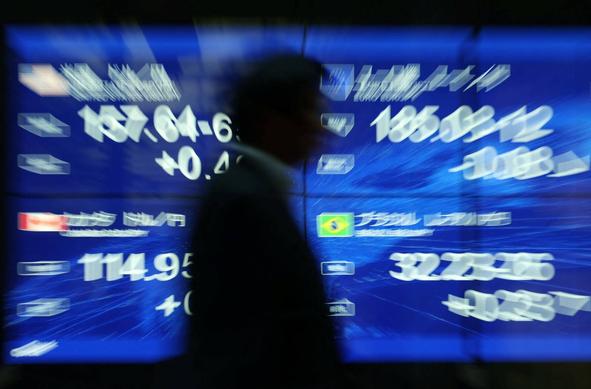
Alphabet sold ¥576.5 billion ($3.6 billion) of bonds in the biggest ever yen deal by a non-Japanese company as competition to fund centers and AI infrastructure intensifies. https://www.japantimes.co.jp/business/2026/05/15/companies/alphabet-biggest-yen-bond/?utm_medium=Social&utm_source=mastodon #business #companies #alphabet #yen #bonds #ai #google

 Don Curren 🇨🇦🇺🇦
 Joseph Lim
Tokyo Gets a Pass on #Yen Intervention, But Concerns Remain
"US, concerned abt excessive ¥ weakness & #dollar strength, appears to hv accepted te #FX interventions by 🇯🇵ese #government & #BOJ to stem ¥'s decline.. attention's turning to whether #Japan will take steps such as #interestrate hikes to stabilize ¥.. BOJ's weighing possible #ratehikes at its #policy meetings fr June, but Takaichi admin remains wary of any move tt could dampen te #economy"🤔
👉📈Cost of #debtservice
https://japan-forward.com/tokyo-gets-a-pass-on-yen-intervention-but-concerns-remain/
"US, concerned abt excessive ¥ weakness & #dollar strength, appears to hv accepted te #FX interventions by 🇯🇵ese #government & #BOJ to stem ¥'s decline.. attention's turning to whether #Japan will take steps such as #interestrate hikes to stabilize ¥.. BOJ's weighing possible #ratehikes at its #policy meetings fr June, but Takaichi admin remains wary of any move tt could dampen te #economy"🤔
👉📈Cost of #debtservice
https://japan-forward.com/tokyo-gets-a-pass-on-yen-intervention-but-concerns-remain/

 NewsletterTF
US and Japan Acknowledge "Undesirable" Currency Swings, Coordination Stated
US Treasury Secretary Bessent and Japan's leaders agree that big currency changes are not good. They will talk more to manage the yen and dollar.
#USDJPY, #CurrencyMarket, #USJapanRelations, #Yen, #EconomicPolicy
https://newsletter.tf/us-japan-currency-swings-undesirable-coordination-stated/

The US and Japan are talking about currency. Japan has recently acted to help its yen. This is a sign of cooperation between the two countries.
#USDJPY, #CurrencyMarket, #USJapanRelations, #Yen, #EconomicPolicy
https://newsletter.tf/us-japan-currency-swings-undesirable-coordination-stated/

Bearish yen positions have seen a significant reduction after Japanese authorities intervened to support the currency, underscoring how official action is unwinding a crowded trade. https://www.japantimes.co.jp/business/2026/05/11/markets/yen-bears-retreat/?utm_medium=Social&utm_source=mastodon #business #markets #yen #dollar #forex
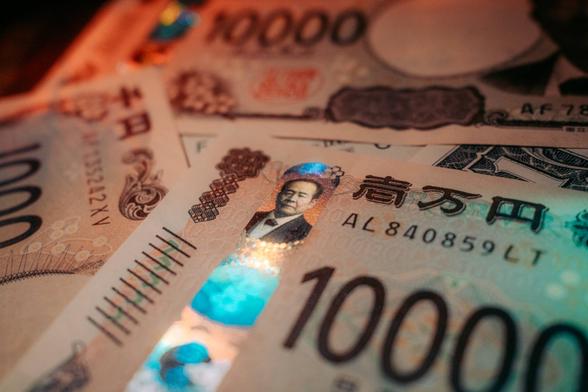
Japan is betting on a hawkish shift at the Bank of Japan and an endorsement from U.S. Treasury Secretary Scott Bessent to give yen-buying intervention extra bite. https://www.japantimes.co.jp/business/2026/05/09/economy/boj-washington-yen-battle/?utm_medium=Social&utm_source=mastodon #business #economy #boj #us #banks #globaleconomy #scottbessent #kazuoueda #yen #sanaetakaichi
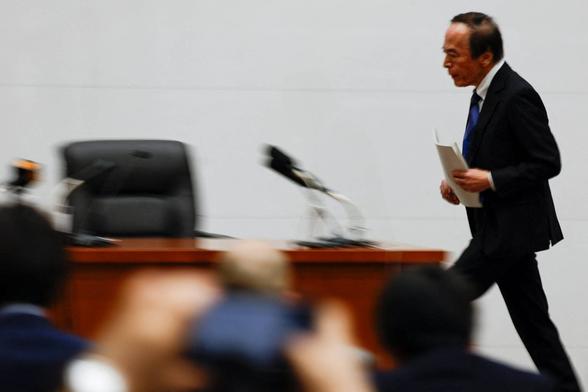
Japan's repeated interventions to support the yen may provide temporary relief, but deep structural economic pressures and global instability are likely to keep the currency weak. https://www.japantimes.co.jp/editorials/2026/05/08/japan-pulls-stops-yen-slide/?utm_medium=Social&utm_source=mastodon #editorials #boj #federalreserve #centralbanks #kazuoueda #yen #forex #oil #iran #us #energy #japaneseeconomy

 KillBait
Japón interviene en el mercado de divisas para estabilizar el yen
📰 Título original: elEconomista
🤖 IA: No es clickbait ✅
👥 Usuarios: No es clickbait ✅
Ver resumen IA completo: https://killbait.com/es/japon-interviene-en-el-mercado-de-divisas-para-estabilizar-el-yen/?redirpost=b248ecf0-f649-4dbe-bfb4-5d9cf6f634eb&utm_source=masto_es&utm_medium=social&utm_campaign=killbait