 masonQQ
Veterans in federal workforce: Celebrating strengths & impact 🇺🇸
#VeteransInLeadership #WorkforceDiversity #StrongerTogether #EntrepreneurInspiration
Veterans in federal workforce: Celebrating strengths & impact 🇺🇸
#VeteransInLeadership #WorkforceDiversity #StrongerTogether #EntrepreneurInspiration
Economic Elevation: The Strategic Value of Women’s Healthcare Investment
In today’s interconnected world, the health and well-being of women have far-reaching implications that extend beyond individual lives to shape entire economies and societies. Despite significant progress in recent decades, a persistent gap in women’s health continues to hinder global development and economic growth. This comprehensive blueprint explores innovative strategies to close the women’s health gap, combining cutting-edge technology with time-tested approaches to create a holistic solution that benefits all.
The Current State of Women’s Health: A Global Perspective
Before delving into solutions, it’s crucial to understand the scope of the challenge. Women, who make up roughly 51% of the global population, face unique health challenges throughout their lives
1. These challenges are often exacerbated by socioeconomic factors, cultural norms, and systemic inequalities in healthcare access and delivery.
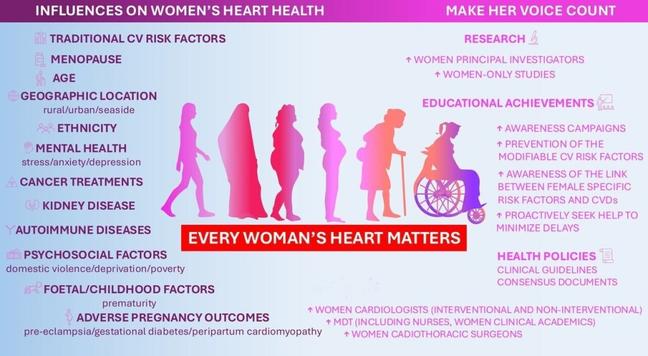
image uses silhouettes of women at different life stages and body types to emphasize that heart health affects all women throughout their livesKey Statistics:
Share of Employed in Informal Employment
Project Focus: Highlighting Gender Disparities in Informal Employment Globally and Regionally
This project examines the global and regional gender gap in informal employment, where a significant portion of women work in unregulated and often unstable jobs compared to men. The data reveals:
Global Trends:
58% of women are in informal employment versus 63% of men.
Regional Insights:
Sub-Saharan Africa: 92% of employed women are in informal roles compared to 86% of men.
South Asia: 91% of employed women versus 87% of men.
Latin America & the Caribbean: 54% of employed women, slightly higher than 52% of men.
Objective: Raise awareness of economic inequities and promote policies to formalize employment for women while ensuring job security and better wages.
These statistics underscore the urgent need for comprehensive strategies to improve women’s health outcomes and, by extension, global economic prosperity.
Strategies to Close the Women’s Health Gap
1. Investing in Women-Centric Research
One of the fundamental issues in women’s health is the historical underrepresentation of women in medical research. To address this, we must prioritize women-centric research across all stages of life, from adolescence to post-menopause.
Traditional Approach: Increasing funding for women’s health research in academic and medical institutions.
Digital Innovation: Leveraging big data and AI to analyze vast amounts of health data, identifying patterns and insights specific to women’s health.
Blended Strategy: Combining traditional research methodologies with AI-driven data analysis to accelerate discoveries and improve treatment efficacy.
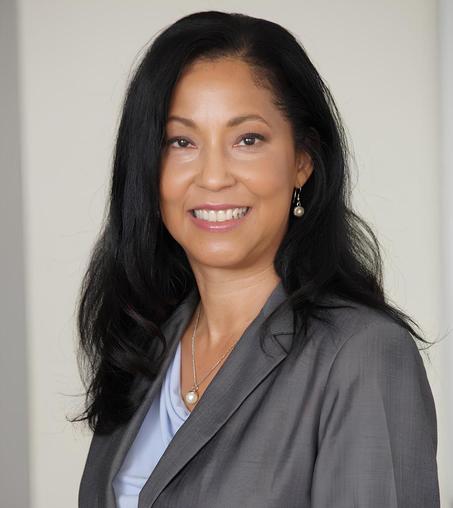
Practical Illustration: Dr. Janine Austin Clayton, Director of the NIH Office of Research on Women’s Health, has been pioneering efforts to integrate sex as a biological variable in NIH-funded research, ensuring that women’s unique health needs are addressed in scientific studies.
Dr. Janine Austin Clayton2. Enhancing Access to Healthcare Services
Improving access to quality healthcare services is crucial for closing the women’s health gap, particularly in underserved and rural areas.
Traditional Approach: Expanding physical healthcare infrastructure and training more female healthcare providers.
Digital Innovation: Implementing telemedicine platforms and mobile health clinics to reach remote areas.
Blended Strategy: Creating a network of physical and virtual healthcare services, allowing women to access care through the most convenient and appropriate channel.
Tangible Case: Melinda French Gates, Co-founder and former co-chair, Bill & Melinda Gates Foundation
Founder, Pivotal Ventures, has been instrumental in supporting initiatives like the Mobile Alliance for Maternal Action (MAMA), which uses mobile technology to deliver vital health information to new and expectant mothers in developing countries.
Melinda French Gates3. Empowering Women Through Health Education
Education is a powerful tool in improving health outcomes. By empowering women with knowledge about their bodies and health, we can drive positive change at both individual and community levels.
Traditional Approach: Implementing comprehensive health education programs in schools and community centers.
Digital Innovation: Developing interactive mobile apps and online platforms for personalized health education.
Blended Strategy: Creating a multi-channel health education ecosystem that combines in-person workshops with digital resources for continuous learning.
Concrete Example: Michelle Obama’s “Let’s Move!” campaign combined traditional outreach methods with digital platforms to educate and empower families, particularly mothers, about nutrition and physical activity.
4. Addressing Mental Health and Well-being
Mental health is an integral part of overall well-being, yet it often receives less attention than physical health. Addressing mental health issues is crucial for closing the women’s health gap.
Traditional Approach: Expanding mental health services and reducing stigma through community outreach programs.
Digital Innovation: Developing AI-powered chatbots and virtual therapy platforms for accessible mental health support.
Blended Strategy: Integrating digital mental health tools with traditional therapy services to provide comprehensive, personalized care.
Actual Scenario: Arianna Huffington, founder of Thrive Global, has been at the forefront of promoting mental well-being through a combination of traditional wellness practices and innovative digital solutions, addressing the unique stressors faced by women in the workplace.
Arianna Huffington5. Improving Maternal and Reproductive Health
Maternal and reproductive health remains a critical area of concern, particularly in developing countries. Addressing these issues can have far-reaching effects on women’s overall health and societal well-being.
Traditional Approach: Strengthening prenatal and postnatal care services and family planning programs.
Digital Innovation: Implementing remote monitoring systems for high-risk pregnancies and developing fertility tracking apps.
Blended Strategy: Creating an integrated maternal care ecosystem that combines in-person care with digital monitoring and support tools.
Applied Instance: Dr. Priya Agrawal, Executive Director of Merck for Mothers, has been leading efforts to reduce maternal mortality by combining traditional healthcare interventions with innovative digital solutions in low-resource settings.
6. Tackling Non-Communicable Diseases (NCDs)
NCDs, such as cardiovascular diseases, cancer, and diabetes, are leading causes of death among women globally. Addressing these conditions is crucial for improving women’s health outcomes.
Traditional Approach: Implementing screening programs and promoting healthy lifestyle interventions.
Digital Innovation: Developing wearable devices for continuous health monitoring and personalized risk assessment.
Blended Strategy: Creating comprehensive NCD management programs that combine regular check-ups with digital monitoring and lifestyle coaching.
Hands-On Case: Dr. Elizabeth Nabel, former president of Brigham and Women’s Hospital, has been a pioneer in cardiovascular research and care for women, advocating for a combination of traditional preventive measures and innovative technologies to address heart disease in women.
7. Promoting Gender Equity in Healthcare Workforce
Increasing the representation of women in healthcare leadership and decision-making roles can lead to more gender-sensitive policies and practices.
Traditional Approach: Implementing mentorship programs and leadership training for women in healthcare.
Digital Innovation: Creating virtual networking platforms and online career development resources for women in healthcare.
Blended Strategy: Developing a comprehensive support ecosystem that combines in-person mentorship with digital career advancement tools.
Authentic Example: Dr. Nadine Burke Harris, California’s first Surgeon General, has been a vocal advocate for addressing childhood trauma and its impact on health, using both traditional public health approaches and innovative digital tools to raise awareness and implement solutions.
Dr. Nadine Burke Harris8. Leveraging Data for Personalized Care
The power of data analytics and AI can be harnessed to provide more personalized and effective healthcare for women.
Traditional Approach: Collecting and analyzing sex-disaggregated health data to inform policy and treatment decisions.
Digital Innovation: Implementing AI-powered predictive analytics for early disease detection and personalized treatment plans.
Blended Strategy: Creating a comprehensive health data ecosystem that combines traditional health records with real-time data from wearables and other digital sources.
Real-Life Situation: Dr. Fei-Fei Li, co-director of Stanford’s Human-Centered AI Institute, has been leading efforts to develop AI technologies that can improve healthcare delivery, including projects focused on women’s health issues like breast cancer detection.
Dr. Fei-Fei LiAddressing Social Determinants of Health
Acknowledging the role of social, economic, and environmental factors in health outcomes is fundamental to narrowing the women’s health gap.
This approach emphasizes the importance of integrated strategies to create sustainable and impactful health solutions
Wangari Maathai10. Fostering Global Collaboration and Knowledge Sharing
Closing the women’s health gap requires a coordinated global effort, leveraging expertise and resources from various sectors and regions.
Traditional Approach: Organizing international conferences and research collaborations focused on women’s health.
Digital Innovation: Creating global digital platforms for real-time knowledge sharing and collaboration among healthcare professionals.
Blended Strategy: Developing a global women’s health network that combines in-person meetings with ongoing digital collaboration and resource sharing.
Lived Experience: Dr. Agnes Binagwaho, former Minister of Health of Rwanda and Vice Chancellor of the University of Global Health Equity, has been a driving force in improving women’s health outcomes in Rwanda through a combination of traditional public health measures and innovative digital health solutions.
Dr. Agnes Binagwaho11. Addressing Mental Health and Well-being Through Holistic Approaches
Mental health is a cornerstone of women’s overall well-being, yet it often receives insufficient attention in healthcare systems. A holistic approach that addresses both mind and body is essential for creating lasting positive health outcomes.
Traditional Approaches:
Digital Innovations:
Blended Strategy: The most effective approach combines traditional therapeutic techniques with digital tools and holistic healing practices, creating a comprehensive mental wellness ecosystem.
Practical Illustration: Annu Gupta Jain exemplifies this integrated approach as a certified counselor and sound healing meditation practitioner. Her innovative methodology combines:
Her work demonstrates that the most significant barrier to optimal health often lies within one’s mind. Through personalized mind programming sessions, she helps women:
This holistic framework addresses mental health challenges through multiple channels, recognizing that lasting transformation requires attention to both conscious and subconscious patterns. The approach is particularly effective because it:
The Economic Impact of Closing the Women’s Health Gap
Investing in women’s health is not just a moral imperative; it’s an economic necessity. By addressing the women’s health gap, we can unlock significant economic potential:
Based on the most recent data from the search results, I can help create an updated visualization of Female Economic Power vs Leading Nations for 2023/2024. The key statistics show:
Female Economic Power (2023/2024)
Key Economic Indicators:
Notable Trends:
The bar chart has already been generated in the search results showing:
This visualization effectively shows how female economic power now outpaces both China’s and the US’s individual GDPs, validating the original prediction from the first image but with updated 2023/2024 figures.Additional icons could be added to represent:
Conclusion: A Call to Action
Closing the women’s health gap is a complex challenge that requires a multifaceted approach. By combining traditional methods with digital innovations, we can create comprehensive solutions that address the unique health needs of women across all stages of life. This not only improves individual lives but also drives economic growth and societal progress.
As we move forward, it’s crucial to:
By taking these steps, we can create a world where every woman has the opportunity to live a healthy, productive life, contributing to the well-being of their families, communities, and economies.
Thought-Provoking Questions:
By addressing these questions and taking concerted action, we can work towards closing the women’s health gap, creating a healthier, more equitable, and more prosperous world for all.
READ MORE

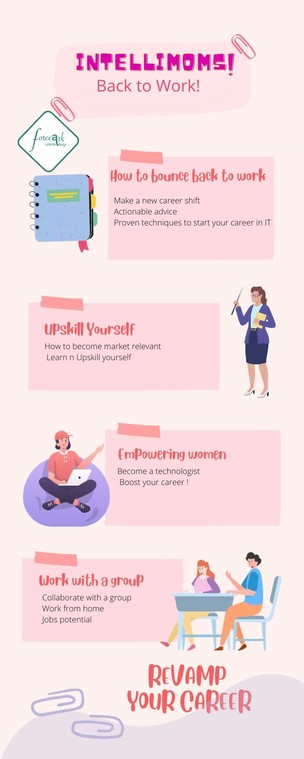
Forceark Academy is passionate about making change in our society by empowering women in tech and mastering flexibility in work . We are always excited to bring in the lost talent back in the market with the Young women by helping them step into their new, flexible Salesforce career.
#Empowerher #EmpowerHer #BackToWork#CareerComeback #TechForWomen #WomenInSalesforce #WorkforceDiversity #SkillUp #CareerRestart #WomenInBusinessTech #CareerDevelopment #FutureLeaders #WomenInTech

Florida's chief financial officer said on Thursday his department would pull $2 billion worth of its assets managed by BlackRock Inc <a href="https://www.reuters.com/companies/BLK.N" target="_blank">(BLK.N)</a>, the biggest such divestment by a state opposed to the asset manager's environmental, social and corporate governance (ESG) policies.

 omgeedigitech
 Forceark Academy
 Jonathan-FL 🇺🇸🇺🇦🇵🇸⚛️💙