TDP-43 represses cryptic exon splicing in
#UNC13A, a risk factor for
#AmyotrophicLateralSclerosis (
#ALS) &
#FrontotemporalDementia (
#FTD). While
#TDP43 is the main repressor, other hnRNPs may potentially act as disease modifiers @PrudencioLab
#PLOSBiology https://plos.io/3LB8ITH
TDP-43 and other hnRNPs regulate cryptic exon inclusion of a key ALS/FTD risk gene, UNC13A
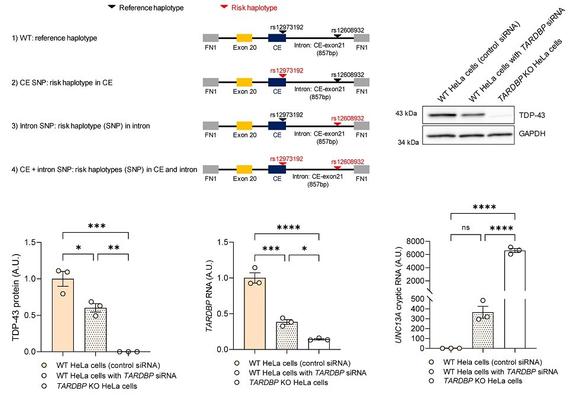
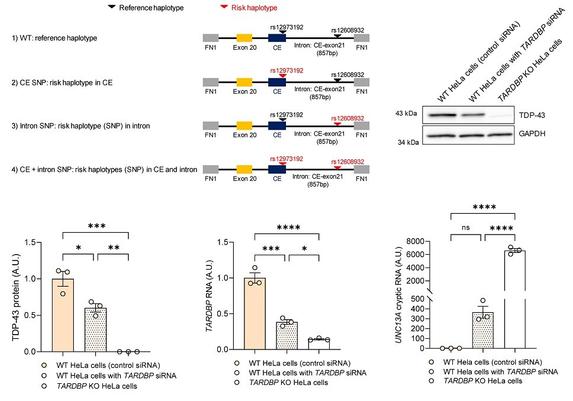
This study shows that TDP-43 is the most important repressor of cryptic exon splicing in UNC13A, a risk factor for amyotrophic lateral sclerosis and frontotemporal dementia. While TDP-43 is the main repressor of UNC13A cryptic exon inclusion, other hnRNPs contribute to its regulation and may potentially act as disease modifiers.
TDP-43 represses cryptic exon splicing in
#UNC13A, a risk factor for
#AmyotrophicLateralSclerosis (
#ALS) &
#FrontotemporalDementia (
#FTD). While
#TDP43 is the main repressor, other hnRNPs may potentially act as disease modifiers @PrudencioLab
#PLOSBiology https://plos.io/3LB8ITHTDP-43 and other hnRNPs regulate cryptic exon inclusion of a key ALS/FTD risk gene, UNC13A
This study shows that TDP-43 is the most important repressor of cryptic exon splicing in UNC13A, a risk factor for amyotrophic lateral sclerosis and frontotemporal dementia. While TDP-43 is the main repressor of UNC13A cryptic exon inclusion, other hnRNPs contribute to its regulation and may potentially act as disease modifiers.
TDP-43 represses cryptic exon splicing in
#UNC13A, a risk factor for
#AmyotrophicLateralSclerosis (
#ALS) &
#FrontotemporalDementia (
#FTD). While
#TDP43 is the main repressor, other hnRNPs may potentially act as disease modifiers @PrudencioLab
#PLOSBiology https://plos.io/3LB8ITHTDP-43 and other hnRNPs regulate cryptic exon inclusion of a key ALS/FTD risk gene, UNC13A
This study shows that TDP-43 is the most important repressor of cryptic exon splicing in UNC13A, a risk factor for amyotrophic lateral sclerosis and frontotemporal dementia. While TDP-43 is the main repressor of UNC13A cryptic exon inclusion, other hnRNPs contribute to its regulation and may potentially act as disease modifiers.
 PLOS Biology