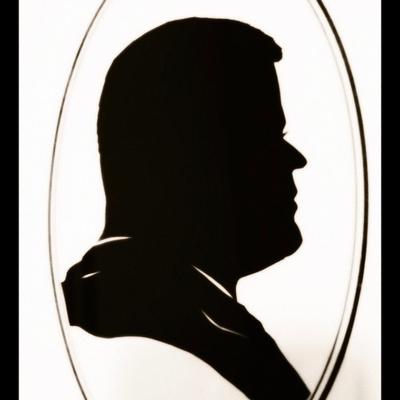
 Valtagliaferri
#ritrattodiantoniocanova #thomaslawrence #pinacotecadibrera #brera #milano #arte #art #arts #painting
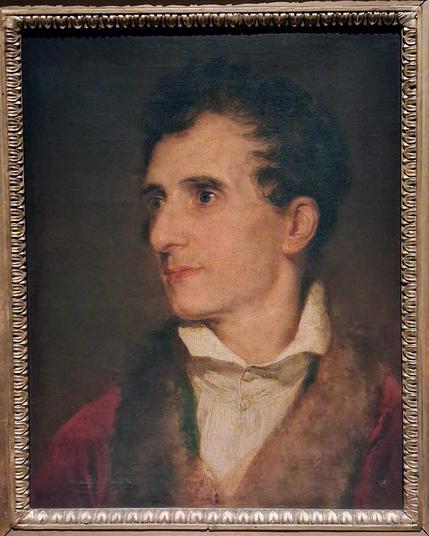
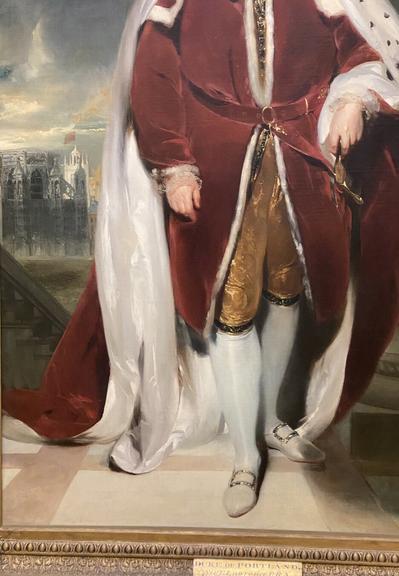
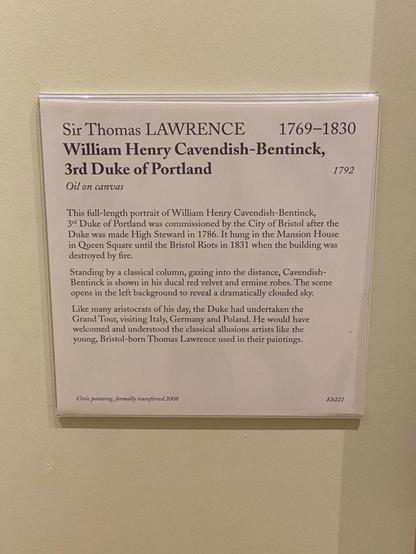
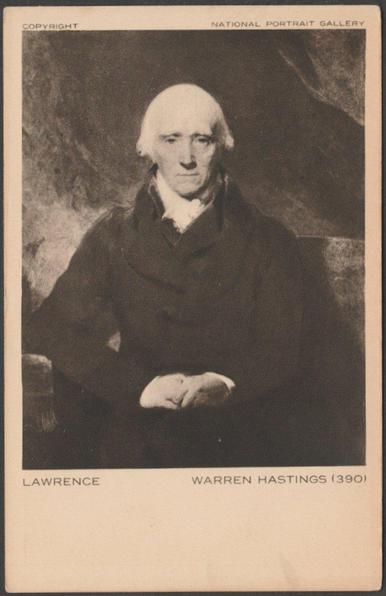
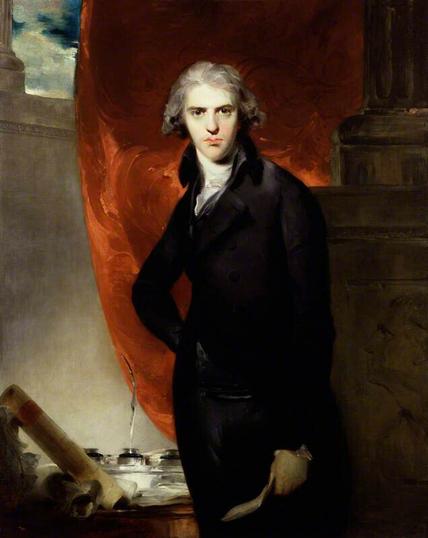
Thomas Lawrence - Warren Hastings, c.1920 - National Portrait Gallery Postcard
The first official portrait of King Charles III since his coronation was recently unveiled at Buckingham Palace. Renowned British artist Jonathan Yeo is the mastermind behind this striking portrayal. In the portrait, the king is depicted holding a sword and adorned in the uniform of the Welsh Guards, seamlessly blending into a matching red backdrop. A delicate butterfly gracefully flies above his right shoulder, adding an intriguing and symbolic touch to the composition. This significant piece will undoubtedly stand as a timeless representation of the monarch.
This event prompted me to explore the art of portraiture and the artists who capture the likeness and spirit of individuals on canvas. When we view a portrait we witness the evolution of portraiture and gain a deeper understanding of its significance in art and cultural history.
The complex story of Queen Charlotte and the artist, Thomas Lawrence exemplifies the risks associated with this personal form of artistic endeavour.
The Risk of Portraiture
The art of portraiture is a delicate balance between artistic interpretation and the portrayal of truth.
Portraiture is a challenging art form that carries its share of risks for both the painter and the subject. For the artist, capturing the essence and likeness of the individual while also portraying their personality and character requires great skill and sensitivity. On the other hand, the subject of the portrait may feel vulnerable during the process, as they entrust the artist with the task of portraying their image for posterity. The portrayal can shape perceptions and leave a lasting legacy, making the stakes high for all involved.
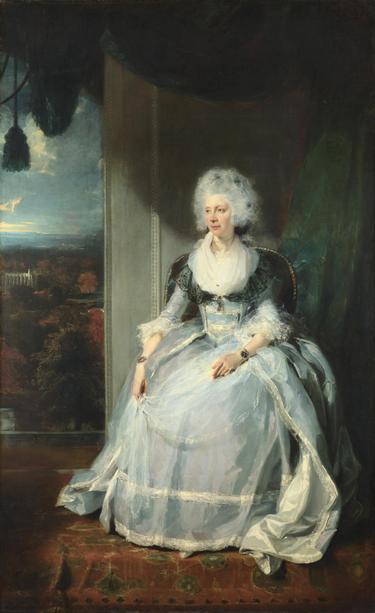
Portrait of Queen Charlotte (1744-1818) by Queen Charlotte (1744 – 1818) by Sir Thomas Lawrence 1789 (Public Domain via Wikimedia Commons)Queen Charlotte and the Artist, Thomas Lawrence
Did Queen Charlotte hate her portrait painted by Thomas Lawrence? Some believe that “hate” is too strong a word. It seems that there were conflicting accounts regarding her satisfaction with the portrait. While it is said that she disapproved of Lawrence’s initial depiction of her, there is evidence to suggest that she eventually reconciled with the painting.
The complex relationship between Queen Charlotte and the artist, Thomas Lawrence reflects the intricate dynamics involved in the creation and reception of such significant works. What was the back story on this portrait? I invite you to listen into to the “art history” of this painting with curator Jon King as he recounts the events that lead up to this portrait. This transformative journey showcases the enduring legacy and significance of portraiture in the realm of art and cultural history.
Who was Thomas Lawrence?
Thomas Lawrence (1769-1830) was a leading English portrait painter of the early 19th century. Born in Bristol, England, Lawrence displayed exceptional artistic talent at a young age and quickly gained recognition for his remarkable skills in portraiture. His ability to capture the likeness and character of his subjects with a unique sense of vitality and elegance earned him considerable acclaim.
Lawrence’s career flourished, and he became the official painter of King George III and was later appointed as the principal portraitist of the British court. His portraits of royalty, military leaders, and prominent figures of the time solidified his reputation as a masterful artist. Notable works include his depictions of King Charles III, Queen Charlotte, and numerous influential individuals of the era.
Renowned for his virtuoso technique and the ability to infuse his subjects with a sense of grandeur and allure, Lawrence’s legacy endures as a defining figure in the history of portraiture. His contributions to the world of art continue to be celebrated for their enduring elegance and profound insight into the personalities of his sitters.
https://chasingart.com/2024/05/31/queen-charlotte-hated-her-portrait-by-the-artist-thomas-lawrence/
#FridayPainting #KingCharlesIII #Portraiture #QueenCharlotte #ThomasLawrence
The first official portrait of King Charles III since his coronation was recently unveiled at Buckingham Palace. Renowned British artist Jonathan Yeo is the mastermind behind this striking portrayal. In the portrait, the king is depicted holding a sword and adorned in the uniform of the Welsh Guards, seamlessly blending into a matching red backdrop. A delicate butterfly gracefully flies above his right shoulder, adding an intriguing and symbolic touch to the composition. This significant piece will undoubtedly stand as a timeless representation of the monarch.
This event prompted me to explore the art of portraiture and the artists who capture the likeness and spirit of individuals on canvas. When we view a portrait we witness the evolution of portraiture and gain a deeper understanding of its significance in art and cultural history.
The complex story of Queen Charlotte and the artist, Thomas Lawrence exemplifies the risks associated with this personal form of artistic endeavour.
The Risk of Portraiture
The art of portraiture is a delicate balance between artistic interpretation and the portrayal of truth.
Portraiture is a challenging art form that carries its share of risks for both the painter and the subject. For the artist, capturing the essence and likeness of the individual while also portraying their personality and character requires great skill and sensitivity. On the other hand, the subject of the portrait may feel vulnerable during the process, as they entrust the artist with the task of portraying their image for posterity. The portrayal can shape perceptions and leave a lasting legacy, making the stakes high for all involved.
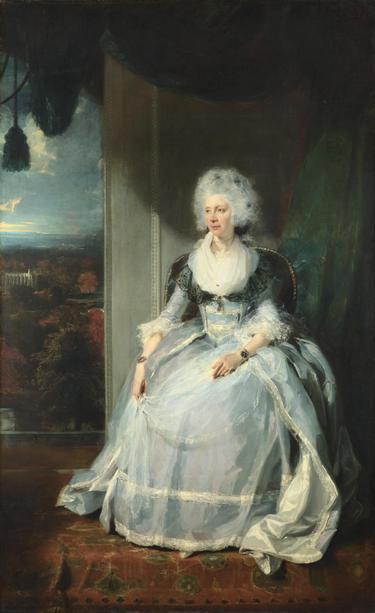
Portrait of Queen Charlotte (1744-1818) by Queen Charlotte (1744 – 1818) by Sir Thomas Lawrence 1789 (Public Domain via Wikimedia Commons)Queen Charlotte and the Artist, Thomas Lawrence
Did Queen Charlotte hate her portrait painted by Thomas Lawrence? Some believe that “hate” is too strong a word. It seems that there were conflicting accounts regarding her satisfaction with the portrait. While it is said that she disapproved of Lawrence’s initial depiction of her, there is evidence to suggest that she eventually reconciled with the painting.
The complex relationship between Queen Charlotte and the artist, Thomas Lawrence reflects the intricate dynamics involved in the creation and reception of such significant works. What was the back story on this portrait? I invite you to listen into to the “art history” of this painting with curator Jon King as he recounts the events that lead up to this portrait. This transformative journey showcases the enduring legacy and significance of portraiture in the realm of art and cultural history.
Who was Thomas Lawrence?
Thomas Lawrence (1769-1830) was a leading English portrait painter of the early 19th century. Born in Bristol, England, Lawrence displayed exceptional artistic talent at a young age and quickly gained recognition for his remarkable skills in portraiture. His ability to capture the likeness and character of his subjects with a unique sense of vitality and elegance earned him considerable acclaim.
Lawrence’s career flourished, and he became the official painter of King George III and was later appointed as the principal portraitist of the British court. His portraits of royalty, military leaders, and prominent figures of the time solidified his reputation as a masterful artist. Notable works include his depictions of King Charles III, Queen Charlotte, and numerous influential individuals of the era.
Renowned for his virtuoso technique and the ability to infuse his subjects with a sense of grandeur and allure, Lawrence’s legacy endures as a defining figure in the history of portraiture. His contributions to the world of art continue to be celebrated for their enduring elegance and profound insight into the personalities of his sitters.
https://chasingart.com/2024/05/24/queen-charlotte-hated-her-portrait-by-the-artist-thomas-lawrence/
#FridayPainting #KingCharlesIII #Portraiture #QueenCharlotte #ThomasLawrence

 C’est SoPhiE
 Cornovia Postcards
 ChasingART
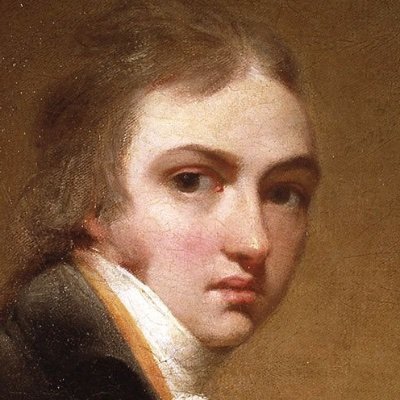 Thomas Lawrence


