 Intentional Faith
The King Who Chose the Cross
In the Life of Christ
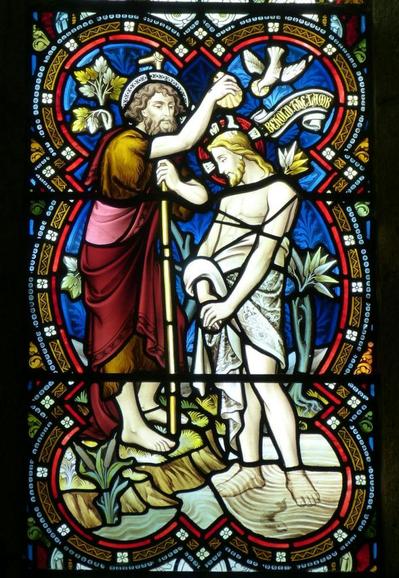
There are moments in the life of Jesus where heaven briefly pulls back the curtain and allows us to see eternity speaking into time. Mark 1:11 is one of those moments. As Jesus rose from the waters of baptism, the voice of the Father declared, “You are My beloved Son; with You I am well pleased.” At first glance, these words may sound like simple affirmation, but the deeper I walk through this passage, the more I realize this declaration defined the entire mission of Christ. The Father was not merely announcing who Jesus was; He was declaring the kind of Messiah He would become.
The words themselves carry the weight of the Old Testament. Psalm 2:7 identifies Jesus as the promised King from David’s line, the ruler who would inherit the nations. Genesis 22 reminds us of Isaac, Abraham’s beloved son laid upon the altar in surrender. Isaiah 42:1 introduces the Suffering Servant who would bear the sins of the world. In one sentence, heaven announced both crown and cross. Jesus would reign, but He would reign through sacrifice. James Edwards insightfully wrote that “Jesus is Israel reduced to one.” Christ would succeed where Adam failed, where Israel wandered, and where kings like Saul and Solomon collapsed under pride and disobedience.
I often think about how startling this must have been to those expecting political conquest. They wanted a Messiah who would crush Rome, but God sent a Servant who would first be crushed for sinners. Even at His baptism, the shadow of Calvary already stretched across His path. The Greek word agapētos (ἀγαπητός), translated “beloved,” speaks of one uniquely loved and treasured. Jesus was not simply another prophet among many. Moses was called servant. Abraham was called friend. David was called a man after God’s own heart. But only Jesus stands as the eternal Son who fully reveals the Father.
What strengthens my faith is that Jesus accepted the assignment completely. Immediately after this heavenly declaration, Satan tempted Him in the wilderness. The enemy tried to redirect Him from suffering toward shortcuts. Yet Christ refused every lesser kingdom. He would not seize glory apart from obedience. Throughout His ministry, we see the evidence of His divine Sonship unfold. He forgave sins in Mark 2, calmed storms in Mark 4, cast out demons in Mark 5, and raised the dead. These were not simply acts of compassion; they were signs that the King had arrived. As C.S. Lewis observed, “The Son of God became a man to enable men to become sons of God.”
The beauty of Christ’s baptism also speaks personally to me as a disciple. Jesus had not yet preached a sermon, healed a blind man, or carried a cross when the Father declared delight in Him. That reminds me that identity precedes ministry. We live in a world addicted to performance, but the Father’s love flows from relationship before achievement. Through Christ, believers are brought into that same family. Because of Jesus, the Father now looks upon redeemed sinners clothed in the righteousness of His Son.
The life of Christ continually teaches me that obedience may lead through wilderness before it leads into visible victory. Yet the Father’s pleasure rests upon faithful surrender. Jesus did not avoid suffering; He transformed it into redemption. Every step from the Jordan River eventually moved toward Golgotha, where the Servant King fulfilled Isaiah 53 and bore the sin of the world.
FEEL FREE TO COMMENT, SUBSCRIBE, AND REPOST, SO OTHERS MAY KNOW
#JesusBaptism #SonOfGod #SufferingServant
 Carmelite Quotes