New preprint on spatial bias in visual attention and how to counter it. In a two-alternative forced choice task, we show a 300% increase in statistical power when left-bias is neutralized. More is possible. Implications for visual world paradigm and perhaps the maze task.

https://osf.io/preprints/psyarxiv/p8gz7_v1

This started as a student project in our eye-tracking course. Amazing to see what cool things students will put together if you let them.

#attention #vision #eyetracking #spatialbias #2afc

OSF

Study: “Smarter” #dogs think more like humans to overcome their #biases
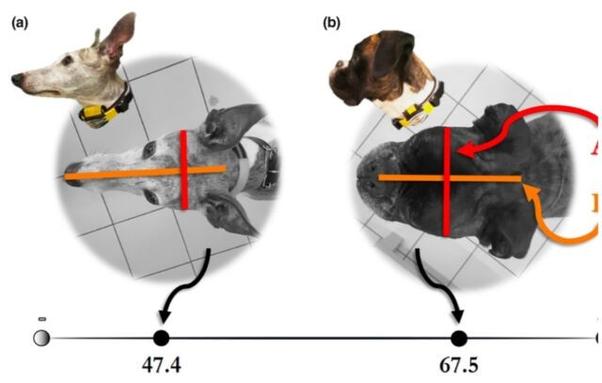
Both the shape of a dog's head and cognitive ability determine degree of #spatialbias.
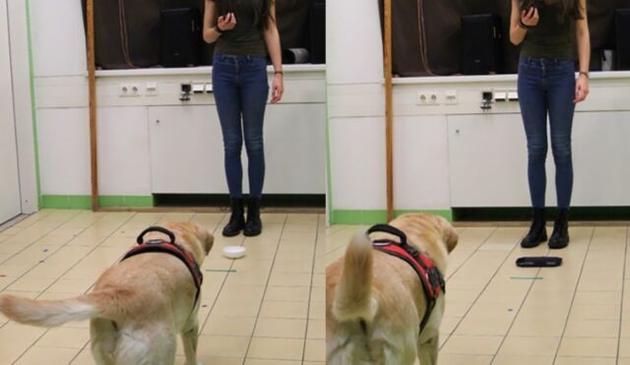
The researchers found that dogs learned faster when they had to choose the direction, i.e., whether the treat was located on the left or the right. It was harder for the dogs to learn whether a treat would be found on a black square plate or a white round plate.
https://arstechnica.com/science/2023/12/study-smarter-dogs-think-more-like-humans-to-overcome-their-biases/
Study: “Smarter” dogs think more like humans to overcome their biases

Both the shape of a dog's head and cognitive ability determine degree of spatial bias.

Ars Technica
Study: “Smarter” dogs think more like humans to overcome their biases

Both the shape of a dog's head and cognitive ability determine degree of spatial bias.

Ars Technica

the better to see you with, my dear…

Objects are more salient to smarter dogs https://phys.org/news/2023-11-dogs-world-salient-smarter.html #dogs #CanineVision #SpatialBias #CanineCognition

The way dogs see the world: Objects are more salient to smarter dogs

When we point at an object, the toddler focuses on the object, while the dog usually takes the gesture as a directional cue.

Phys.org