 Daniel Fischer
Radiance Contrasts at Possible Lunar Water Ice Exposures Seen by #ShadowCam: https://iopscience.iop.org/article/10.3847/PSJ/adb8d1 -> Innovative approaches advance search for ice on the Moon: https://www.soest.hawaii.edu/soestwp/announce/news/innovation-advances-search-lunar-ice/
 Benjamin Carr, Ph.D. 👨🏻💻🧬
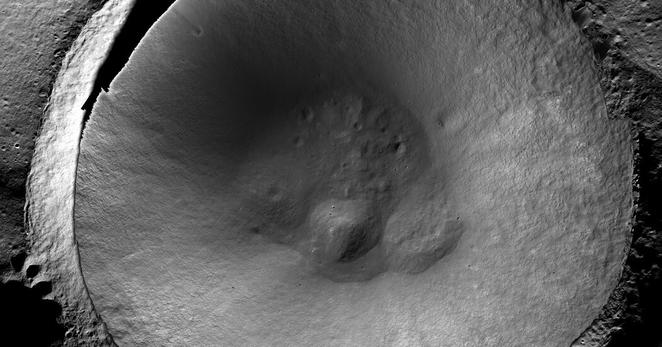
The #Moon’s Most Shadowy Places Can’t Hide From #NASA’s New Camera
There are more than 300 permanently shadowed craters on the moon, and the darkness hides an intriguing mystery: oases of frozen water, which could provide a key resource for astronauts living there in the future. New views are the fruits of #ShadowCam, an instrument that NASA provided for #Danuri, #SouthKorea's orbiter that arrived at the moon in December.
https://www.nytimes.com/2024/07/25/science/moon-nasa-shadowcam-craters.html
https://archive.ph/FyGBx #space

 Marcel-Jan Krijgsman
 Matt Willemsen
 Khurram Wadee ✅
 Kuuke's Sterrenbeelden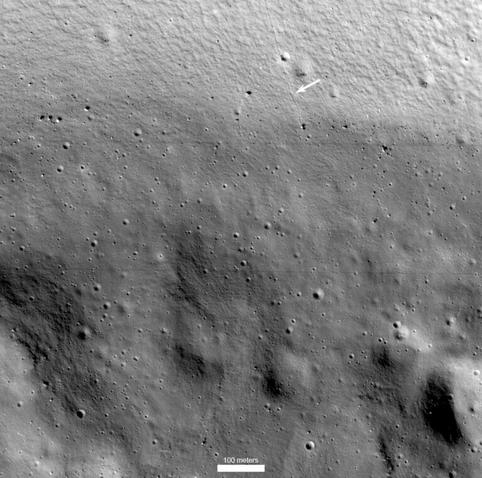

 Chuck Darwin
 Mark Wieczorek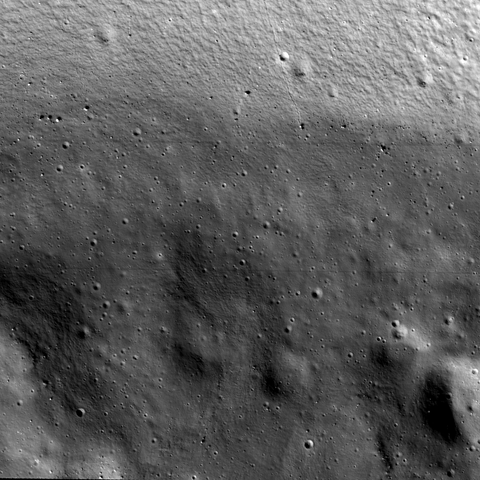
 James White 🪻