When Heaven Grows Silent and Trumpets Begin to Sound
Thru the Bible in a Year
As we move together through Revelation 8–11, we step into one of the most sobering and symbol-laden sections of all Scripture: the sounding of the seven trumpets. Revelation is carefully structured, and John repeatedly arranges his visions in groups of seven—seven churches, seven seals, seven trumpets, and seven bowls—each sequence intensifying the sense that history is moving toward a divinely appointed culmination. Today’s reading reminds us that God is neither absent nor hurried. He is deliberate, holy, and fully aware of both human suffering and human stubbornness. Reading these chapters devotionally does not invite speculation as much as it invites reverence.
The trumpet judgments begin with a striking pause. “When the Lamb opened the seventh seal, there was silence in heaven for about half an hour” (Revelation 8:1). Silence in heaven is unsettling because heaven is normally filled with praise. This silence reflects the gravity of what is about to unfold. John sees seven angels with seven trumpets, along with another angel holding a censer filled with incense—the prayers of the saints rising before God. The imagery reminds us that judgment is not detached from prayer. God hears the cries of His people, and the unfolding of history is somehow connected to those prayers. As G. K. Beale notes, this moment of silence underscores “the solemn expectancy of divine action.” Before God acts decisively, heaven grows still.
As the first four trumpets sound, the judgments affect the natural order: land, sea, fresh water, and sky. Hail and fire mixed with blood burn the earth. A great burning mountain plunges into the sea. A star named Wormwood poisons the waters. The heavenly lights are darkened. Over and over, the text emphasizes “one third,” signaling limitation rather than total destruction. God’s judgment, even here, is measured. These events echo the plagues of Egypt, reminding us that the God who once judged oppressive power is the same God who will one day judge all rebellion. Yet these judgments are also warnings. They call humanity to awaken, to repent, and to recognize that creation itself groans under the weight of sin.
The tone shifts even more dramatically with the fifth and sixth trumpets. The imagery becomes darker, more personal, and more terrifying. The fifth trumpet releases a plague of locusts from the abyss, tormenting those who do not belong to God. These are not ordinary locusts but symbolic agents of suffering, limited in duration yet intense in impact. Their sting lasts five months—long enough to feel unbearable, yet still restrained. The sixth trumpet brings a vision of a vast army from the region of the Euphrates, resulting in the death of a third of humanity. What is most unsettling is not merely the scale of suffering, but the response of the survivors. “They did not repent” (Revelation 9:20). Even in the face of unmistakable warning, the human heart resists surrender.
Between the sixth and seventh trumpets, John experiences an interruption that feels deeply pastoral. An angel gives him a little scroll and tells him to eat it. It tastes sweet in his mouth but turns bitter in his stomach. Anyone who has spent time truly absorbing God’s Word understands this tension. Scripture is sweet because it reveals God, yet bitter because it confronts us with truth about judgment, suffering, and human sin. John is then commanded to measure the temple and witness the ministry, death, and resurrection of two faithful witnesses. Their testimony provokes hostility, their death brings celebration among the wicked, and their resurrection brings terror. Faithfulness, Revelation insists, is costly—but it is never wasted.
When the seventh trumpet finally sounds, the tone shifts again. Loud voices in heaven proclaim, “The kingdom of the world has become the kingdom of our Lord and of His Christ” (Revelation 11:15). The twenty-four elders worship, giving thanks that God has begun to reign in fullness. The ark of the covenant appears in heaven, signaling God’s faithfulness to His promises, even as lightning, thunder, and earthquake mark the seriousness of the moment. Judgment and worship are held together. God’s holiness and God’s mercy are not competing realities; they are inseparable aspects of His character.
Devotionally, these chapters invite us to humility, perseverance, and trust. Revelation is not given to satisfy curiosity but to shape faithfulness. It reminds us that history is not random, suffering is not unnoticed, and repentance is always the right response to God’s warnings. For those walking through Scripture day by day, this passage reassures us that God’s Word is active, purposeful, and trustworthy. Thank you for your commitment to studying the Word of God. Scripture assures us that God’s Word will not return void but will accomplish what He desires in those who receive it with open hearts.
For further reflection on how to read Revelation faithfully and devotionally, see this helpful article from Crossway:
https://www.crossway.org/articles/how-to-read-the-book-of-revelation/
FEEL FREE TO COMMENT, SUBSCRIBE, AND REPOST, SO OTHERS MAY KNOW
#BibleReadingPlan #endTimesScripture #GodSJudgmentAndMercy #Revelation811 #sevenTrumpets #ThruTheBibleInAYear SpiritualKhazaana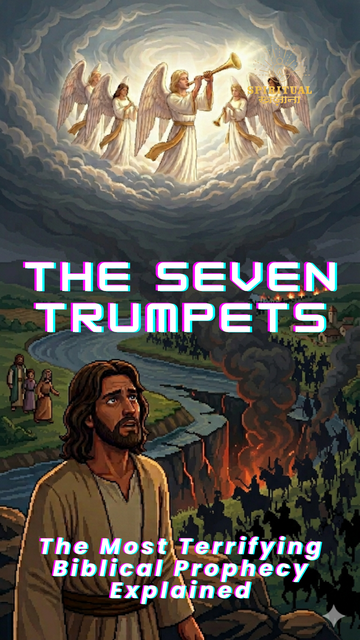
 Intentional Faith