 NASA [Unofficial]
Girl Scouts Event Brings Space Science to the Next Generation
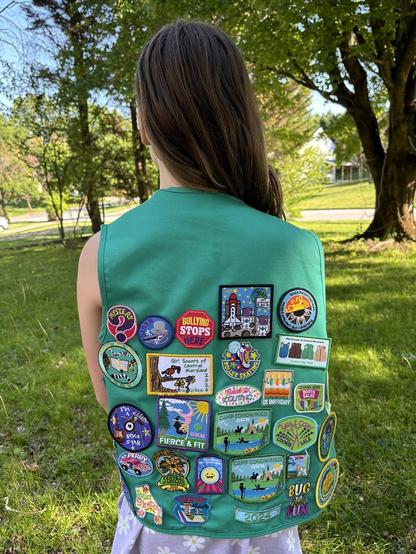
Girl Scouts Event Brings Space Science to the Next Generation
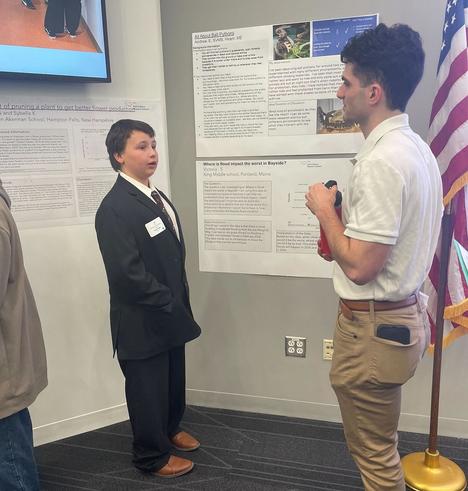
Breaking Barriers at 3rd Annual Findings from the Field Symposium
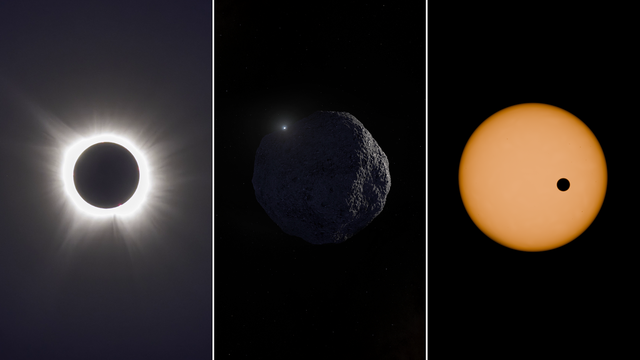
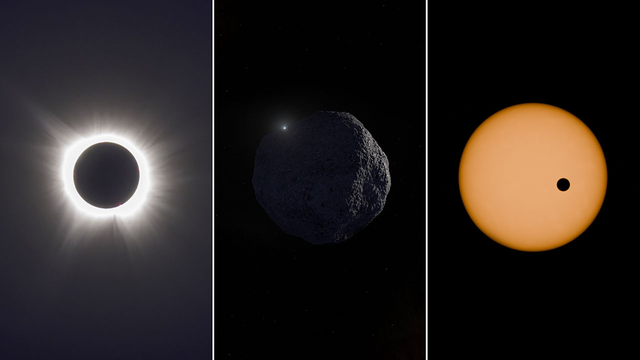
When one celestial object passes in front of another, it can cast a shadow that travels across space – and sometimes across Earth. These moments of alignment, known as eclipses, occultations, and transits, allow scientists to study distant objects in remarkable ways. By observing how light changes when an object briefly blocks another, astronomers can measure sizes and shapes, detect atmospheres, and refine the orbits of asteroids and planets.

The Astronomy Activation Ambassadors (AAA) project, part of the NASA Science Activation program, aims to measurably enhance student STEM (Science, Technology, Engineering, & Mathematics) engagement via middle school, high school, and community college science teacher professional development.

In fall 2025, more than 50 educators and over 1,500 young people across Maine and New Hampshire participated in NASA’s Global Learning and Observation to Benefit the Environment (GLOBE) Green Down, a citizen science (also known as participatory science or community science) initiative that engages students and volunteers in tracking seasonal changes in plant life. By observing and documenting leaf color change and leaf drop, participants contributed valuable data used by scientists studying how ecosystems respond to a changing climate.

The goal of NASA's Universe of Learning (UoL) is to connect the public to the data, discoveries, and experts that span NASA’s Astrophysics missions. To make this possible, the NASA's UoL team creates engaging STEM experiences that let people explore data and discoveries from NASA’s Astrophysics missions and learn from the experts behind them.
 Vibewire Magazine
 NASA
NASA