Antarctic Ice Loss Is Significant, Contrary to Claims - FactCheck.org
Antarctica is losing ice mass to the ocean, contributing to global sea level rise. But a popular video misrepresented work focused on Antarctic ice shelves — which float in the sea at the edges of the continent — to incorrectly suggest that “it is unclear if Antarctica is losing any ice on balance.”

Misleading Claims on Well-Known Rare Risk of AstraZeneca COVID-19 Vaccine - FactCheck.org
A rare risk of dangerous blood clots associated with the AstraZeneca COVID-19 vaccine was identified and reported in early 2021. This month, the company announced it was pulling the vaccine off the market globally, citing a decline in demand. Social media posts misleadingly linked the decision to the company having "admitted" the rare side effect "for the first time" in court documents and used it to impugn all vaccines.

‘Who Is Bobby Kennedy?’ Video Promotes Debunked Anti-Vaccine Narratives - FactCheck.org
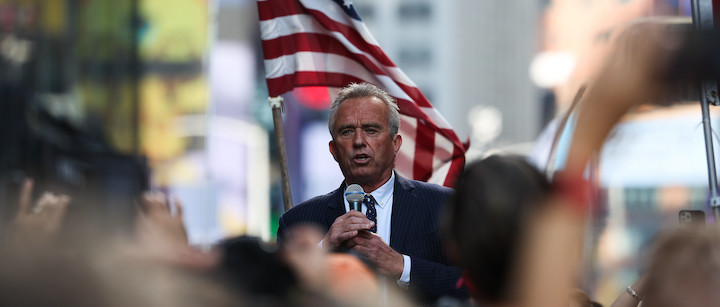
A recent video promoting independent presidential candidate Robert F. Kennedy Jr. promises to “start with some irrefutable facts.” The over 30-minute video, narrated by actor Woody Harrelson, begins with some biographical truths about the candidate, but veers into promoting various debunked or unsupported narratives about vaccines.

Still No Evidence COVID-19 Vaccination Increases Cancer Risk, Despite Posts - FactCheck.org
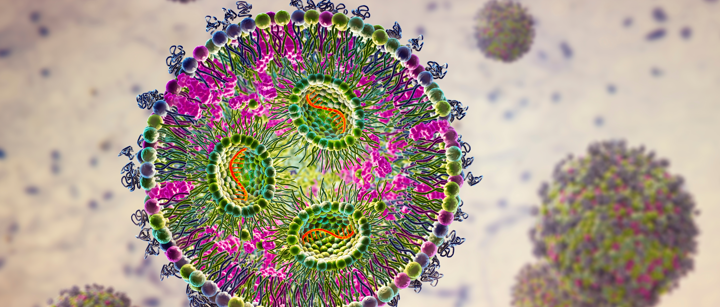
It has not been shown that COVID-19 vaccines cause or accelerate cancer. Yet opponents of the vaccines say a new review article “has found that COVID-19 mRNA vaccines could aid cancer development.” The review conclusions are mainly based on the misinterpretation of a study on mRNA cancer vaccines in mice.

Q&A on Reducing COVID-19 Risk for Elderly, Immunocompromised - FactCheck.org
While the risks associated with COVID-19 generally have decreased over time due to prior exposure to the vaccines and the virus, some people remain at elevated risk, such as the elderly and immunocompromised. The updated COVID-19 vaccines and, in some cases, a new monoclonal antibody can provide increased protection for this group.

O.J. Simpson Died from Cancer, Not COVID-19 Vaccine - FactCheck.org
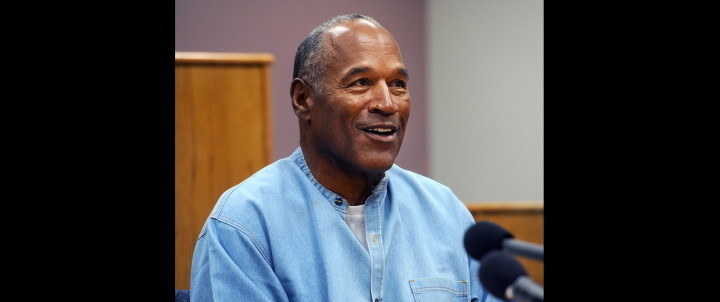
O.J. Simpson, a football star who was acquitted in the murder of his ex-wife and her friend, died of cancer on April 10 at age 76. Misinformation spread online within hours of the news. Social media posts falsely claimed that the cancer was related to his COVID-19 vaccination. Simpson was vaccinated, but there is no evidence that vaccination causes cancer or that it was to blame for his death.

Shanahan Misleads on Women’s Fertility Trends - FactCheck.org
Women are having fewer children today than in the past globally, but experts say that’s by choice and it doesn’t mean “we are facing a crisis in reproductive health,” as Nicole Shanahan, Robert F. Kennedy Jr.’s running mate, said during her announcement speech. Infertility rates have remained steady during the last decades.

Social Media Posts Misinterpret Biden on mRNA Cancer Vaccines - FactCheck.org
COVID-19 vaccines are not "being used to cure cancer," as social media posts falsely claim, misinterpreting President Joe Biden’s reference to mRNA cancer vaccines during his State of the Union address. Biden was referring to the mRNA technology used to make the COVID-19 vaccines and being studied by researchers to treat cancer.

Explaining the New CDC Guidance on What To Do if You Have COVID-19 - FactCheck.org
Q: Is one day isolation sufficient to stop forward transmission of COVID-19? A: People with COVID-19 could potentially transmit it to others well beyond a day after developing symptoms or testing positive. New guidance from the CDC advises people to isolate until they have been fever-free and with symptoms improving for at least 24 hours, and then take precautions for five days, which covers the period when “most people are still infectious.” FULL ANSWER The Centers for Disease Control and Prevention on March 1 updated its guidance on preventing the spread of respiratory viruses,
 Media Bias Fact Check