
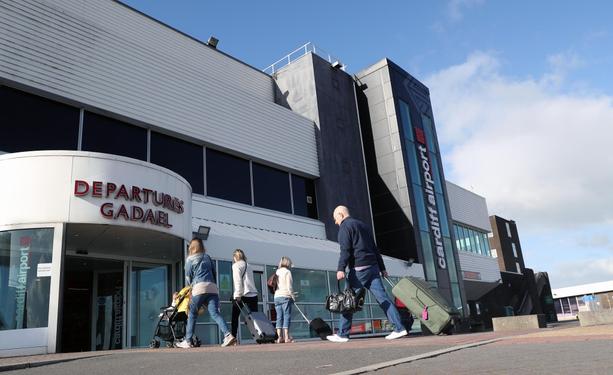
Bristol Airport drags Welsh ministers to tribunal over £205m Cardiff Airport bailout

The two‑day hearing at the Competition Appeal Tribunal will examine whether ministers broke subsidy control rules when they approved a decade‑long financial rescue plan for the publicly owned airport.

The case — filed last summer — argues the subsidy amounts to a taxpayer‑funded advantage that could lure passengers and airlines away from Bristol Airport, which serves around 10 million travellers a year and draws heavily from South Wales.

According to the appeal documents, Bristol Airport claims the Welsh Government’s investment equates to £71.50 per Cardiff Airport passenger, accusing ministers of effectively “paying people to go on holiday”.

The challenge also alleges Cardiff Airport should have been treated as an “ailing or insolvent enterprise”, a legal classification that would have triggered stricter checks before public money could be handed over.

The Welsh Government has repeatedly defended its decision, saying it will “fight for our ability to invest” in the airport’s long‑term future. Ministers argue the funding will support new hangars, maintenance facilities, cargo capacity and new global routes designed to boost Wales’s economy.

But the tribunal filing shows the Competition and Markets Authority’s Subsidy Advice Unit had already raised concerns, recommending more evidence on the subsidy’s proportionality, its impact on competition, and whether the airport could realistically deliver the promised economic benefits.

Welsh Conservatives: “A bottomless pit of taxpayers’ money”

The legal battle has reignited fierce political criticism, with the Welsh Conservatives accusing Labour ministers of pouring public money into a failing airport.

Shadow Transport Secretary Sam Rowlands MS said the case exposed “reckless spending” by the Welsh Government.

“Labour and Plaid Cymru have already sunk more than £200 million of taxpayers’ money into this failing nationalised airport — that’s around £286 per household across Wales,” he said.

“Now, even more public money will be wasted on legal costs to defend this subsidy. People across Wales are rightly asking what they are getting in return.”

Rowlands said the airport should be sold to the private sector “so it can survive, succeed and stop draining taxpayers’ money”.

Andrew RT Davies: “You can throw all the money you like at it…”

Former Welsh Conservative leader Andrew RT Davies MS said ministers must explain what the £205 million handout has actually delivered.

“We all want to see a thriving airport, as it would bring huge benefits to the economy of South Wales,” he said. “But competent leadership is a necessary ingredient to achieving that.”

Davies warned that “a bottomless pit of money” would not fix the airport without strategic direction, pointing to the fact that Qatar Airways — once a flagship long‑haul partner — has still not resumed flights to Cardiff.

“Since they bought Cardiff Airport, Senedd ministers have spent over £400 million of taxpayers’ money on it,” he said. “Given this level of investment, the airport should be in a far better position than it is.”

What happens next?

A panel of three, chaired by barrister Ben Tidswell, will hear Bristol Airport’s appeal against the subsidy and the response of Welsh ministers.

Bristol Airport is asking the tribunal to quash the subsidy, declare it unlawful, and — if necessary — order the Welsh Government to recover any money already handed over.

The Welsh Government said it would present its case “through the proper legal process” and declined to comment further.

The outcome could have major implications not only for Cardiff Airport’s future, but for how devolved governments across the UK support strategic infrastructure.

Related stories from Swansea Bay News

WestJet to launch direct Cardiff–Toronto flights
Canadian airline announces new long‑haul link from Cardiff Airport.

Ex‑brewery boss takes over at Cardiff Airport
New chief executive appointed amid funding rows and route uncertainty.

Cardiff Airport celebrates summer growth
Passenger numbers rise, but recovery remains only halfway to pre‑Covid levels.

Bristol Airport demands detail on subsidy
Legal teams push Welsh Government for clarity over multi‑million‑pound support package.

TUI announces new routes from Cardiff Airport
Holiday giant expands its programme with new destinations and extra flights.
#AndrewRTDaviesMS #BristolAirport #CardiffAirport #CardiffAirportSubsidy #CompetitionAndMarketsAuthority #CompetitionAppealTribunal #legalAction #SamRowlandsMS #SubsidyAdviceUnit #WelshGovernment

Tourism tax gets Senedd approval: councils to decide on £1.30-a-night levy from 2027

The Visitor Accommodation (Register and Levy) Etc. (Wales) Bill was approved by 37 votes to 13, paving the way for a £1.30 per person per night charge on hotel, B&B and self-catering stays, plus VAT. A reduced rate of 75p will apply to hostels and campsites, with under-18s exempt from the lower rate.

The Welsh Government says the levy will help fund improvements to local tourism infrastructure, including toilets, footpaths, beaches and visitor centres, with all revenue reinvested in the communities where it is raised.

Finance Secretary Mark Drakeford described the measure as a “small contribution that will make a big difference,” adding:

“Visitor levies are used successfully all over the world… We want the same for Wales.”

The bill also establishes a national register of visitor accommodation providers, laying the groundwork for future licensing and offering better data on the sector’s scale and impact.

If implemented across all 22 Welsh councils, the levy could raise £33 million annually, though only Cardiff and Anglesey have so far indicated plans to adopt it. Other councils are expected to consult locally before making a decision.

The move follows Swansea Bay News’ earlier coverage of the debate surrounding the tax, which has divided opinion across the tourism sector and political spectrum. Critics warn the levy could deter visitors and harm the economy, particularly in rural areas reliant on seasonal trade.

Sam Rowlands, Conservative shadow finance secretary, called the bill “bad for Wales and bad for the Welsh tourism sector,” citing industry concerns and potential job losses.

But supporters argue the measure will help balance the pressures of tourism with the needs of residents. Plaid Cymru’s Luke Fletcher said:

“There is a genuine opportunity here for us to create a sustainable tourism sector that works with both our communities and businesses.”

Labour’s Jenny Rathbone added:

“Why should poor people rather than visitors have to pay?”

The legislation marks the first locally designed tax in Wales for over 500 years, and comes as part of the Welsh Government’s broader investment in tourism, including a £50m Wales Tourism Investment Fund and new weather-proofing grants.

For more background on the debate, see our earlier report: Will it support tourism or devastate the sector?

#JennyRathboneMS #LukeFletcherMS #MarkDrakeford #SamRowlandsMS #tourism #tourismTax #WelshGovernment

Minister says 5mph is appropriate on some roads in Wales

Welsh Government Minister, Jane Hutt was asked to rule out the further reduction in roads speeds in a Senedd discussion following the publication of a new report by the Road Safety Foundation and widespread unhappiness over the Welsh Government’s 20mph default speed limit rollout.

The minister defended the rollout of 20mph and was “very proud of the Government’s road safety policy”, saying it has been “welcomed by the people of Wales”, saving lives and cutting insurance bills.

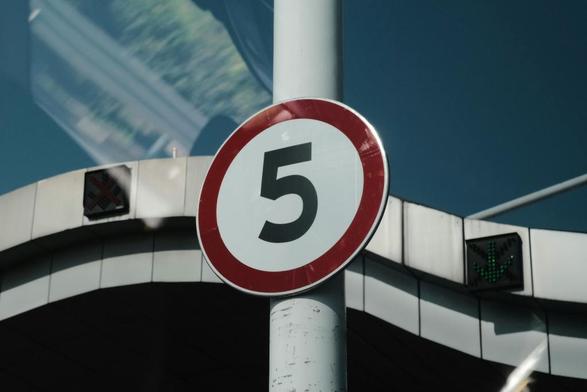
She went on to refuse to rule out further speed limit reductions, saying that road safety was just that, and that 5mph was an appropriate speed in some areas.

The statement has been criticised by the Welsh Conservatives, with Sam Rowlands MS describing it as a “war on motorists” that is “slowing Wales down”, with fellow Conservative, Laura Anne Jones MS adding that “the 20mph speed limit has already been a disaster, and reducing the limit to 10mph would be an attack on motorists that would see runners and mobility scooters overtaking cars.”

A recent YouGov poll found that 52% of people across the UK were opposed to 10mph speed limits, with that figure increasing to 62% of people who live in Wales who have more experience of life with default 20mph limits.

Speaking about the proposals to reduce limits further to 10mph, Dr Suzy Charman from the Road Safety Foundation, said: “We are not saying that all speeds or speed limits should be set to these speeds.

“Rather, that infrastructure needs to be improved, or speeds reduced to ensure travel speeds are better aligned with human tolerances to crash forces.”

Hugh Bladon from The Alliance of British Drivers responded saying: “If you ban all motorised transport, you might reduce deaths and injury a bit.

“We should remember that more people were being killed and injured in the days before motorised transport, by horses and their carriages.”

New data from the Department of Transport shows that 83% of people ignore 20mph limits during weekdays, with that figure rising to 86% of drivers on weekends, raising the question of the effectiveness of lower limits.

#10mph #20mph #5mph #featured #JaneHuttMS #LauraAnneJonesMS #motoring #RoadSafety #RoadSafetyFoundation #SamRowlandsMS #speedLimit #WelshGovernment