 FastRuby.io
🔧 Upgrading from Rails 7.0 to 7.1? We've got your back!
"Rails 7.1 requires Ruby 2.7 or later. It's important to check the required Ruby versions for different Rails versions."
🔧 Upgrading from Rails 7.0 to 7.1? We've got your back!
"Rails 7.1 requires Ruby 2.7 or later. It's important to check the required Ruby versions for different Rails versions."
💡 Cloning objects in Ruby 3.0 has its quirks, especially with the #i18n gem.
@jainrishi15 did some digging and here's what he found:
https://www.fastruby.io/blog/ruby-3-i18n-gem-and-beyond.html?utm_source=Mastodon&utm_medium=Organic&utm_campaign=Blogpromo&utm_term=gemgotchas&utm_content=Textonly&utm_id=
#rubyonrails #Ruby3 #rubygems #RubyLang #Ruby27
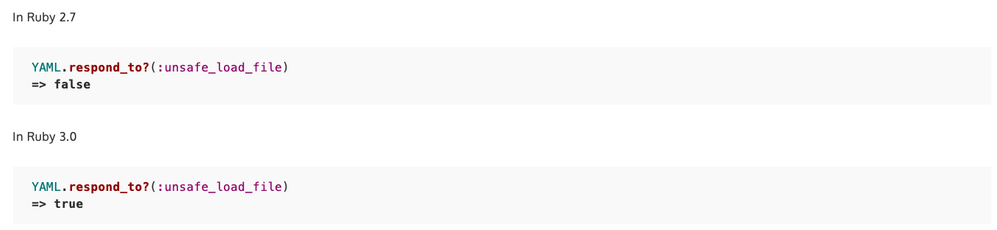
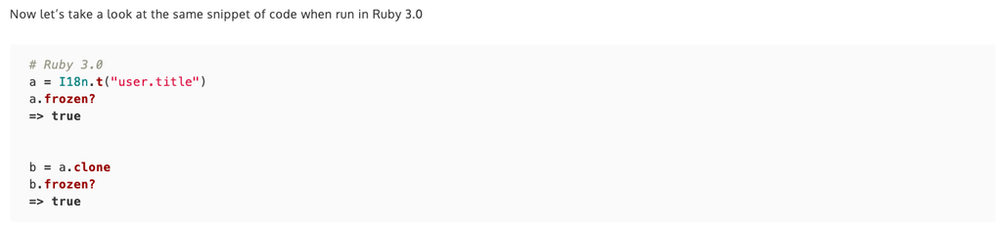

Explore the intricacies of upgrading from Ruby 2.7 to 3.0, uncovering i18n gem pitfalls involving clone and freeze methods. Valuable insights for tech teams navigating this transition.
🔧 Upgrading from Rails 7.0 to 7.1? We've got your back!
"Rails 7.1 requires Ruby 2.7 or later. It's important to check the required Ruby versions for different Rails versions."
🔧 Upgrading from Rails 7.0 to 7.1? We've got your back!
"Rails 7.1 requires Ruby 2.7 or later. It's important to check the required Ruby versions for different Rails versions."
💡 Cloning objects in Ruby 3.0 has its quirks, especially with the #i18n gem.
@jainrishi15 did some digging and here's what he found:
https://www.fastruby.io/blog/ruby-3-i18n-gem-and-beyond.html?utm_source=Mastodon&utm_medium=Organic&utm_campaign=Blogpromo&utm_term=gemgotchas&utm_content=Textonly&utm_id=
#rubyonrails #Ruby3 #rubygems #RubyLang #Ruby27
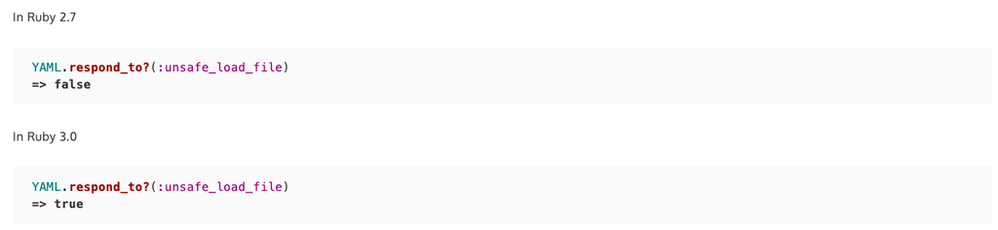
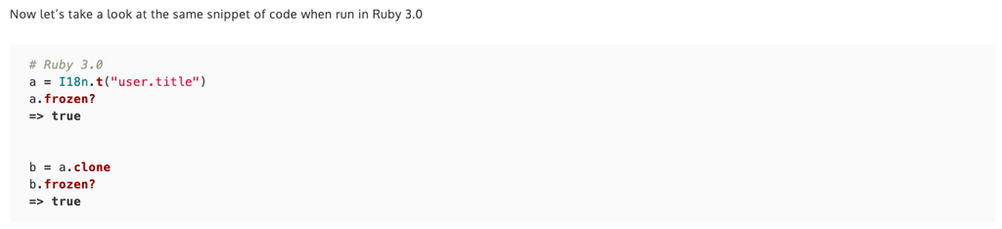
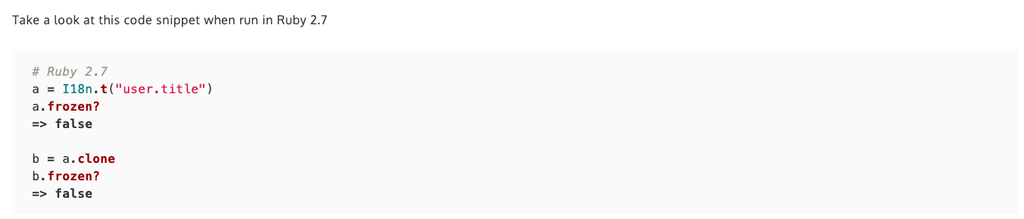
Explore the intricacies of upgrading from Ruby 2.7 to 3.0, uncovering i18n gem pitfalls involving clone and freeze methods. Valuable insights for tech teams navigating this transition.

 OmbuLabs.ai