 KillBait News
NRSC removes past critical statements about Ken Paxton after Senate primary victory
📰 Original title: GOP busted scrubbing attacks on 'disgusting' MAGA candidate after his primary victory
🤖 IA: It's clickbait ⚠️
👥 Users: It's clickbait ⚠️
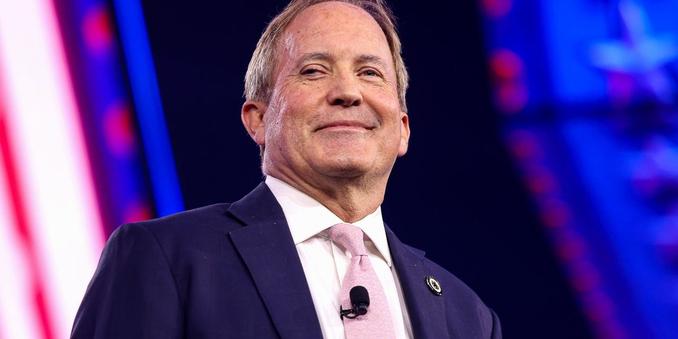
NRSC removes past critical statements about Ken Paxton after Senate primary victory
Following Texas Attorney General Ken Paxton’s victory over incumbent Senator John Cornyn in the Republican Senate runoff, the National Republican Senatorial Committee (NRSC) reportedly began removing or deactivating online content that had previously been sharply critical of Paxton. The deleted materials included press releases and digital ads that accused Paxton of corruption, incompetence, misuse of taxpayer funds, and personal misconduct. Some of these pages, once publicly accessible, were later found to return 404 errors, indicating they had been taken down or removed from active circulation. The situation was first highlighted by political observers who noticed the sudden disappearance of the NRSC’s previously published critiques. However, archived versions preserved by internet archiving services still showed strong language used by NRSC officials, including statements describing aspects of Paxton’s personal life in highly negative terms. Screenshots also revealed a series of campaign-style ads targeting Paxton’s record, including allegations related to legal controversies and financial misconduct. At least eight such pieces of content were reportedly removed after his primary win. Paxton, who was impeached by the Texas House in 2023 on corruption-related charges but later acquitted by the state Senate, is now set to advance to the general election against Democratic state Representative James Talarico. The race is expected to be highly competitive and among the most expensive Senate contests nationally. Critics argue that the NRSC’s swift removal of earlier attacks highlights the shifting dynamics within the Republican Party as it consolidates support behind its nominee despite previous internal opposition. The episode underscores the tension between past intra-party criticisms and post-primary unity efforts, as political organizations often realign messaging once a nominee is secured.
 Victoria Stuart 🇨🇦 🏳️⚧️